 0
0
 0
0
Nigeria rising debt poverty criticism 2026 has intensified as major civil society groups and labour unions warn that current economic policies are worsening living conditions and deepening hardship across the country.
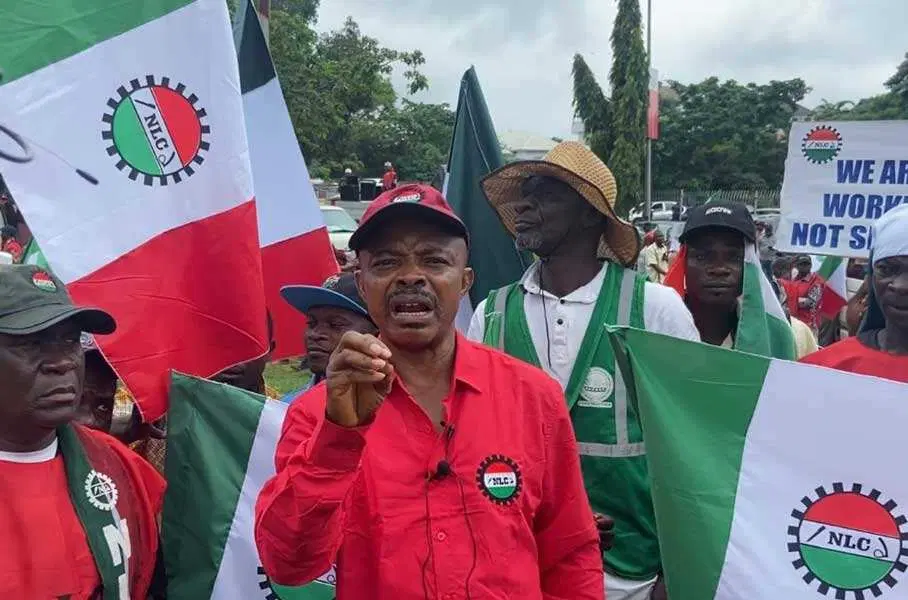
Stakeholders including ActionAid, Civil Society Organisations (CSOs), and the Nigeria Labour Congress (NLC) have raised concerns over rising government borrowing, inflation, and the impact of reforms on ordinary citizens.

Nigeria Rising Debt Poverty Criticism 2026 Sparks Stakeholder Reactions
The Nigeria rising debt poverty criticism 2026 debate gained momentum following a press conference in Abuja, where key organisations expressed dissatisfaction with the Federal Government’s economic direction.
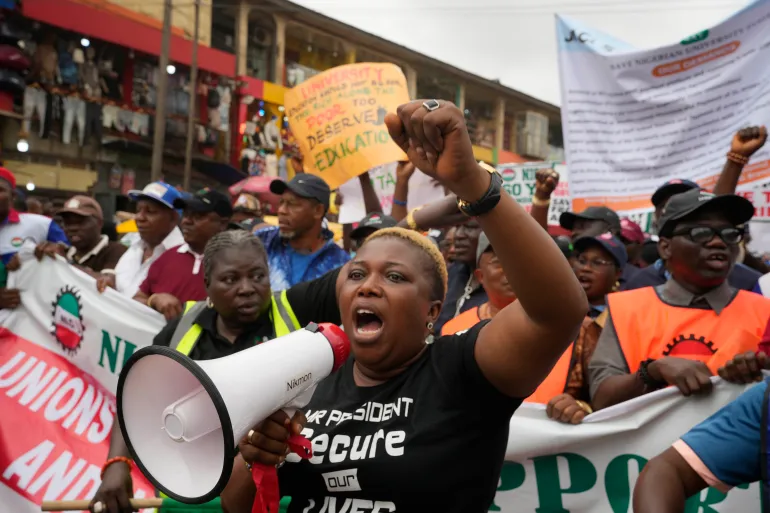
Labour representatives argued that policies intended to stabilise the economy have instead increased the burden on citizens.
Concerns Raised by Labour Leaders
Officials from the Nigeria Labour Congress highlighted:
- Worsening cost of living conditions
- Limited benefits from economic reforms
- Growing frustration among citizens
They emphasized that despite policy changes, many Nigerians are struggling to meet basic needs.
Fuel Subsidy Removal and Its Economic Impact
A major focus of the Nigeria rising debt poverty criticism 2026 discussion is the removal of fuel subsidy, which was expected to free up funds for public investment.
Expected Benefits vs Reality
According to stakeholders:
- Savings from subsidy removal have not translated into visible improvements
- Public services have not significantly improved
- Citizens face higher transportation and living costs
The gap between expectations and outcomes has contributed to growing dissatisfaction among the population.
Electricity Tariffs and Power Supply Challenges
Another issue raised in the Nigeria rising debt poverty criticism 2026 discourse is the electricity sector, where tariff increases have not been matched by improved supply.
Key Issues Identified
- Persistent power outages across the country
- Increased electricity costs for consumers
- Perceived inefficiency in the power sector
Stakeholders described the situation as unsustainable, with many households and businesses paying more for unreliable services.
Rising Debt and Limited Economic Gains
The Nigeria rising debt poverty criticism 2026 concerns also centre on the country’s growing debt profile, which has reportedly exceeded N60 trillion.
Impact of Borrowing on Citizens
Civil society groups noted that:
- Increased borrowing has not improved living standards
- Poverty levels continue to rise
- Essential services remain underfunded
They questioned the effectiveness of loans in driving development and improving socio-economic indicators.
Calls for Accountability in Budget and Spending
The Nigeria rising debt poverty criticism 2026 debate includes strong calls for greater transparency in government spending and budgeting processes.
Issues Highlighted in Budget Management
- Allegations of inflated budgets through constituency projects
- Lack of fiscal discipline
- Inefficiencies and leakages in public funds
Experts argued that these challenges place additional financial pressure on citizens and limit the effectiveness of government programs.
Concerns Over National Assembly Oversight
Stakeholders also raised concerns about the role of the legislature in approving borrowing requests.
Key Observations
- Loan approvals may lack sufficient scrutiny
- Oversight mechanisms need strengthening
- Greater accountability is required in decision-making
These concerns form part of broader calls for institutional reforms to ensure responsible governance.
Proposed Solutions to Address Economic Hardship
Amid the Nigeria rising debt poverty criticism 2026, stakeholders proposed several measures aimed at improving economic conditions and reducing hardship.
Suggested Policy Reforms
- Introduction of targeted subsidies, particularly in transportation
- Improved fiscal discipline and transparency
- Enhanced investment in social services
- Structural reforms in the power sector
These recommendations aim to balance economic reforms with social protection measures.

Broader Economic Context Behind the Criticism
The Nigeria rising debt poverty criticism 2026 reflects deeper structural issues within the economy.
Underlying Challenges
- High inflation affecting purchasing power
- Weak infrastructure limiting productivity
- Inefficiencies in public service delivery
Experts note that addressing these challenges requires coordinated efforts across multiple sectors.
FAQ Section
Why are stakeholders criticizing Nigeria’s rising debt in 2026?
They argue that increased borrowing has not improved living standards and has contributed to rising poverty and economic hardship.
What is the impact of fuel subsidy removal in Nigeria?
While intended to save funds, many stakeholders say it has increased living costs without delivering expected public benefits.
How does electricity tariff affect Nigerians?
Higher tariffs combined with unreliable power supply have increased financial pressure on households and businesses.
What solutions have been proposed to address economic challenges?
Suggested solutions include targeted subsidies, improved transparency, and structural reforms in key sectors like power and public finance.
Conclusion
The Nigeria rising debt poverty criticism 2026 highlights growing concerns about the country’s economic direction and its impact on citizens. While reforms aim to stabilise the economy, stakeholders stress the need for policies that prioritise welfare, transparency, and sustainable growth. Addressing these issues will be crucial in shaping Nigeria’s economic future.
PLEASE CLICK HERE FOR MORE NEWS