 0
0
 0
0
Nigeria Power Market Crisis deepens as Generation Companies (GenCos) raise alarms over ₦6.2 trillion in unpaid invoices and 7,000MW of stranded electricity capacity. The Association of Power Generation Companies (APGC) warned that the current market design under the Nigerian Electricity Supply Industry (NESI) is undermining investor confidence, breaching contractual agreements, and threatening long-term energy security.
The GenCos statement, signed by CEO Joy Ogaji, emphasises that systemic bottlenecks and unrecognised capacity payments are discouraging investments and leaving large portions of installed generation idle, despite Nigeria having an installed grid capacity of 15,500MW.
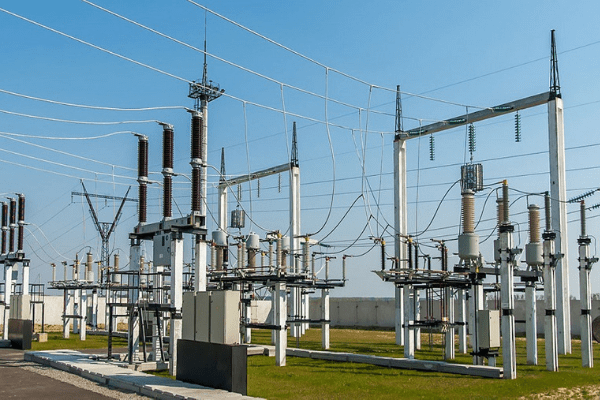
Causes Behind the Nigeria Power Market Crisis
At the core of the Nigeria Power Market Crisis is the treatment of capacity payments under Power Purchase Agreements (PPAs). GenCos argue that while they are contractually obligated to make capacity available, payments are only made for “called-up” power — the electricity actually consumed by distribution companies and transmitted through the grid.
This approach effectively removes available capacity from commercial consideration. Currently, 7,000MW of installed generation remains stranded, reducing overall system efficiency and discouraging further investment in recovering mechanically unavailable plants.
Nigeria’s average generation has remained at around 4,000MW for several years — a fraction of installed capacity. According to GenCos, this is due to structural inefficiencies in the market rather than a lack of generating ability.
Capacity Payments and Investor Confidence
Under standard PPAs approved by the Nigerian Electricity Regulatory Commission (NERC), payments include multiple components: available capacity, nominated capacity, metered energy, and deemed capacity. These payments are contractual “must-occurs,” and ignoring them destabilises the electricity market.
GenCos report that even when instructed to reduce generation to maintain grid stability, they are still entitled to capacity payments. The lack of proper remuneration sends a “wrong signal” to domestic and international investors, potentially discouraging future financing for Nigeria’s power sector.
The GenCos further highlight that the Nigerian Bulk Electricity Trading Plc (NBET) reports only five active PPAs in the market. Without enforceable contracts, generators cannot secure gas supply agreements or long-term financing, leaving plants vulnerable to operational inefficiencies and cash flow disruptions.
Financial Strain on Generators and Suppliers
Since the privatisation of the power sector in 2013, GenCos claim they have received only 35% of invoiced amounts, allowing ₦6.2 trillion to accumulate as unpaid obligations. This debt does not reflect the total contractual entitlements, leaving generation companies technically insolvent.
Gas suppliers, who depend on timely payments from GenCos, are also reportedly unpaid, compounding sector fragility. The APGC warns that the Nigeria Power Market Crisis is making the electricity sector unsustainable under current arrangements.
Market Design Contradictions
GenCos argue that the current market structure contradicts the Multi-Year Tariff Order (MYTO), Nigeria’s incentive-based regulatory framework. Instead of rewarding capacity expansion, efficiency, and reliability, the market penalises generators while inefficiencies persist in downstream distribution and transmission companies.
Metered data for billing is obtained and verified hourly by the Market Operator and System Operator. Allegations of inflated invoicing are unfounded. Generators stress that electricity production is capital-intensive and requires long-term investment recovery. Operating the sector on what they call a “voluntary payment culture” threatens financial viability.
Implications for Energy Security and Growth
The stranded 7,000MW of generation capacity represents potential electricity that could serve millions of households and industries across Nigeria. The GenCos warn that unless contractual sanctity is restored, capacity payments are recognised, and bottlenecks addressed, Nigeria’s power growth ambitions will remain stunted.
“How can power growth be encouraged if GenCos are not incentivised to make capacity available?” the APGC statement asks. Without proper incentives, investor appetite for financing new generation projects could collapse, leaving Nigeria reliant on ageing plants and struggling grid stability.
Addressing the Nigeria Power Market Crisis
GenCos recommend immediate actions to address the crisis:
-
Recognition of capacity payments – Ensure generators are paid for available capacity regardless of dispatch levels.
-
Enforcement of PPAs – Restore confidence in contractual obligations to secure financing and gas supply agreements.
-
Resolve systemic bottlenecks – Address operational inefficiencies in transmission and distribution to maximise utilization of installed capacity.
-
Policy reforms – Align NESI market rules with MYTO principles to incentivise investment and reliability.
These steps are essential to prevent investor pullback, encourage capacity expansion, and strengthen national energy security.
The Human and Economic Costs
The Nigeria Power Market Crisis affects not only generators and investors but also households and businesses. Frequent outages, load shedding, and insufficient power supply limit economic growth, increase costs for industry, and affect daily life.
With 7,000MW stranded, large portions of the grid’s potential remain unused, while millions of Nigerians continue to experience unreliable electricity. Restoring payment mechanisms and market efficiency could unlock this capacity, stabilising the grid and reducing dependency on costly backup solutions.
Conclusion
The Nigeria Power Market Crisis is a structural and financial challenge that threatens the stability of the country’s electricity sector. With ₦6.2 trillion in unpaid invoices, 7,000MW of stranded capacity, and persistent market inefficiencies, the sector risks long-term underinvestment and grid instability.
Immediate policy reforms, enforcement of PPAs, and recognition of capacity payments are essential to stabilise the market, attract investors, and unlock stranded generation. Only through decisive action can Nigeria realise its energy ambitions, provide reliable electricity to millions, and strengthen economic growth.
For more news, please visit our homepage