


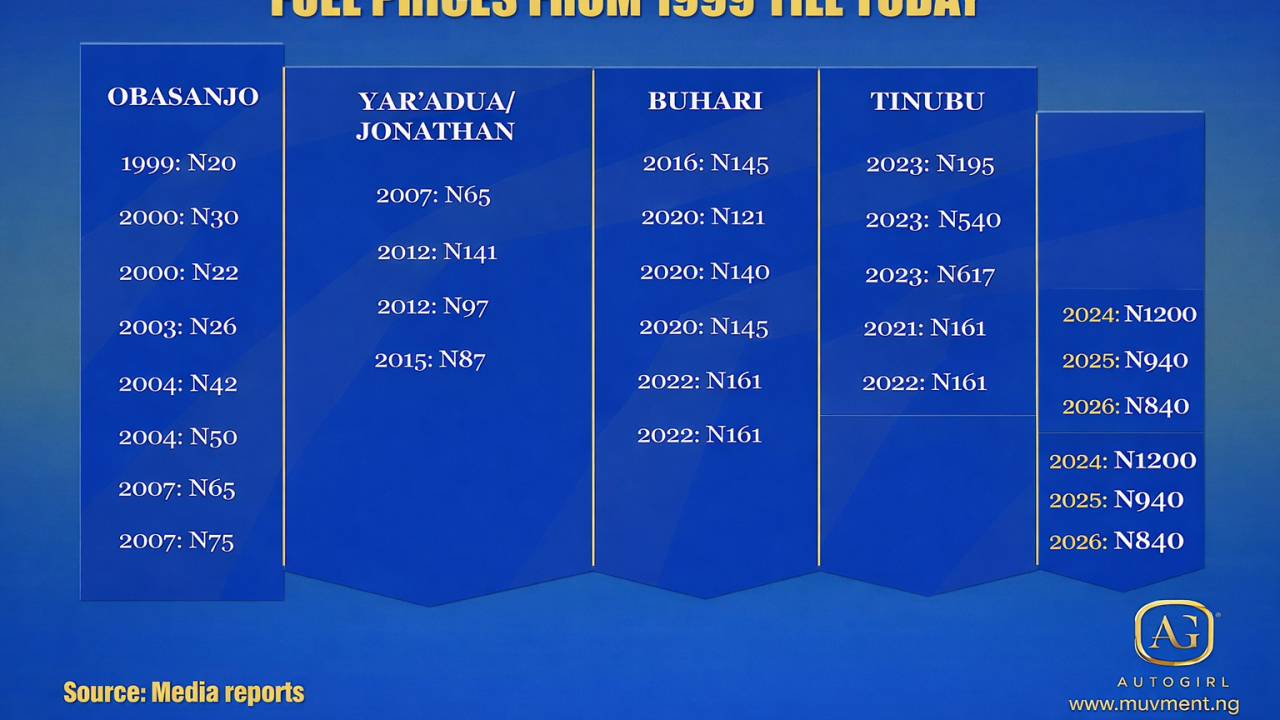
The Nigeria petrol price surge 2026 has intensified economic challenges for workers across the country, prompting the Nigeria Labour Congress (NLC) to call for urgent government intervention. Petrol prices now range between N1,170 and N1,300 per litre, significantly affecting transportation costs, food prices, and the overall cost of living.
In a statement released on Thursday, March 16, 2026, NLC President Joe Ajaero emphasized that the sudden increase has deepened the financial burden on Nigerian workers and vulnerable citizens.

NLC’s Demand for Government Action
The NLC is urging the Federal Government to implement immediate relief measures to cushion the effects of the fuel price surge. These include:
-
Wage support for workers
-
Cost-of-living relief programs
-
Expanded social support for low-income citizens
Ajaero highlighted that without such intervention, workers and their families will continue to face mounting economic pressure.


Impact on Workers and Daily Life
The petrol price increase has direct consequences on several aspects of daily life:
-
Transportation costs: Commuting has become more expensive, disproportionately affecting low- and middle-income workers.
-
Food prices: Rising fuel costs contribute to higher transportation costs for goods, causing food prices to surge.
-
Essential commodities: Prices of everyday essentials have also increased, reducing purchasing power.
These challenges underscore the urgency for policy action to protect workers and the general populace.
Vulnerabilities in Nigeria’s Petroleum Sector
According to the NLC president, the crisis has exposed structural weaknesses in Nigeria’s downstream petroleum sector. Heavy reliance on imported refined products leaves the nation vulnerable to global market fluctuations.
Calls for Refinery Revival
Ajaero stressed that reviving public refineries could stabilize domestic petrol supply and reduce exposure to sudden price shocks. Key recommendations include:
-
Ensuring all public refineries are fully operational
-
Reducing dependence on imported petroleum products
-
Implementing policies to prevent future supply disruptions
By addressing these vulnerabilities, the government can enhance energy security and limit abrupt fuel price spikes.
Tax Relief and Social Support Measures
Beyond refinery management, the NLC also advocated for financial and social measures to ease hardship:
-
Tax relief targeted at low-income earners
-
Expanded social support programs for vulnerable Nigerians
-
Use of windfall revenue from rising crude oil prices to improve welfare
These measures aim to reduce the economic strain on workers and families affected by inflation and rising living costs.
Transparency and Accountability
Ajaero emphasized that government management of oil revenue gains should be transparent. Any windfall from global crude oil price increases should directly benefit Nigerians, particularly workers, rather than being absorbed by administrative inefficiencies.
Dialogue Between Government and Labour
The NLC president also called for sincere engagement between the Federal Government and organised labour. Open dialogue is critical to developing practical solutions to the ongoing economic challenges, including rising fuel prices and their impact on livelihoods.
Proposed Discussion Points
-
Coordinated efforts to stabilize fuel prices
-
Policies supporting wages and worker welfare
-
Long-term strategies for sustainable domestic fuel production
-
Measures to improve transparency in oil revenue allocation
Such dialogue would ensure that workers’ voices are considered in national economic decisions, fostering cooperation and stability.
Broader Economic Implications
The Nigeria petrol price surge 2026 reflects wider economic pressures affecting the nation:
-
Inflationary trends driven by rising energy costs
-
Increased cost of transportation affecting trade and logistics
-
Potential slowdown in economic activities for low-income households
Experts note that if unaddressed, fuel price shocks can ripple across sectors, compounding financial strain for both workers and businesses.
Global Market Influence
The surge in petrol prices is partly linked to global crude oil trends. Volatility in international oil markets directly affects domestic fuel costs, highlighting the need for stronger local refining capacity and strategic petroleum planning.
FAQ
What caused the Nigeria petrol price surge 2026?
The surge, with prices now between N1,170 and N1,300 per litre, is influenced by global crude oil market volatility and domestic refinery inefficiencies.
How is the NLC responding to the fuel price increase?
The NLC has called for government intervention, including wage support, cost-of-living relief, tax reductions for low-income earners, and expansion of social support programs.
What measures are suggested to stabilize petrol supply?
Reviving and fully operating Nigeria’s public refineries, reducing reliance on imported petroleum products, and implementing transparent management of oil revenues are recommended strategies.
Why is dialogue between government and labour important?
Open communication ensures that workers’ concerns are addressed, fosters cooperation, and helps develop practical solutions to economic challenges, including rising fuel prices.
Conclusion
The Nigeria petrol price surge 2026 has placed significant economic pressure on workers and low-income households. The NLC’s call for government intervention highlights the need for immediate relief measures, sustainable refinery operations, and transparent use of oil revenues. Addressing these challenges through policy action and dialogue between government and labour is essential to protect Nigerians from the ongoing hardships caused by rising fuel costs.
Click here for more news


