



Nigeria party primaries insecurity has become a growing concern as political activities continue in the midst of escalating violence, kidnappings, and public frustration across Nigeria. The contrast between elite political activities and worsening security conditions highlights deeper questions about governance priorities and national stability.
Political Party Primaries Amid Nigeria Party Primaries Insecurity Crisis
The ongoing party primaries in Nigeria ahead of the 2027 general elections are unfolding against a backdrop of insecurity and public anxiety. The phrase Nigeria party primaries insecurity reflects increasing criticism of how political leaders appear focused on internal party contests while violent incidents continue across multiple regions.
Rising Disconnect Between Politics and Security Realities
Political actors continue to engage in candidate selection processes even as communities face repeated attacks and abductions. Critics argue that this reflects a widening gap between governance priorities and citizens’ daily realities.
Historical Parallels of Elite Detachment
Commentators have drawn comparisons between the current situation and historical cases where ruling elites appeared detached from social unrest. The concern is that Nigeria party primaries insecurity is not just a political issue, but also a governance and legitimacy challenge.


Wave of Abductions and National Response
Recent incidents of kidnappings in parts of the country have intensified debates around Nigeria party primaries insecurity. Rural communities and schools in particular have been affected, raising concerns about safety and state capacity.
Security Incidents Across States
Attacks reported in regions such as Kwara State and Oyo State have included mass abductions of students, teachers, and civilians. These incidents have placed additional pressure on security agencies.
- Multiple school-related abductions reported
- Casualties among educators and community members
- Increased military and police response operations
Government and Institutional Reactions
Authorities have repeatedly condemned the attacks and promised stronger security measures. However, public confidence remains low as Nigeria party primaries insecurity continues to dominate public discourse alongside political developments.
Political Leadership and Public Perception
The intersection of insecurity and political competition has raised questions about leadership responsibility. Many citizens see Nigeria party primaries insecurity as a reflection of misplaced political priorities.
Political Figures and Party Activities
Key political actors, including members of major parties such as the All Progressives Congress and the Peoples Democratic Party, have remained active in primaries and internal elections.
Prominent figures such as Bola Ahmed Tinubu and Goodluck Jonathan are often referenced in broader discussions about political continuity and leadership expectations.
Public Criticism of Political Priorities
Critics argue that while Nigeria party primaries insecurity continues to worsen, political attention appears concentrated on candidate selection rather than crisis response. This perception has fueled public frustration.
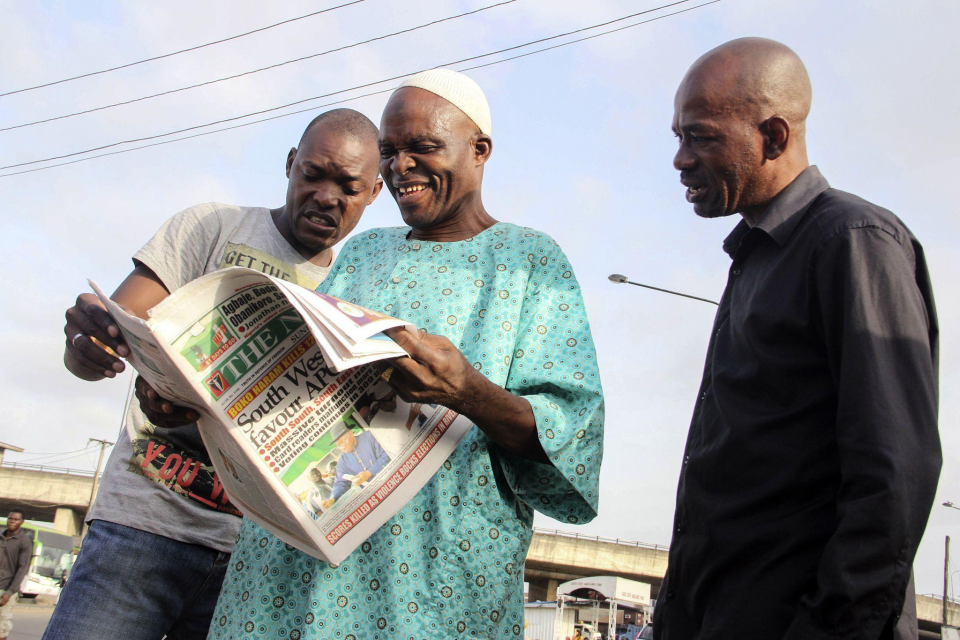

Internal Party Politics and Democratic Questions
Nigeria party primaries insecurity also intersects with debates about internal democracy within political parties. The structure and cost of nomination processes have become central issues.
High Cost of Political Participation
Nomination forms and campaign logistics are often prohibitively expensive, limiting participation to elite political actors. This reinforces concerns about inclusivity in democratic processes.
Weak Internal Democracy
Observers note that party decisions are frequently influenced by internal power blocs rather than broad membership participation. This raises questions about the credibility of political competition in Nigeria.
Governance, Security, and Economic Implications
The persistence of Nigeria party primaries insecurity has broader implications for governance and economic stability.
Impact on Public Trust
When political processes continue alongside security crises, public trust in institutions may decline. Citizens increasingly question whether elected officials are responsive to urgent national challenges.
Economic and Social Disruption
Insecurity affects education, trade, and mobility. Communities impacted by violence often experience long-term economic setbacks, further deepening inequality.
- Disruption of school activities
- Reduced agricultural and commercial productivity
- Increased displacement in affected regions
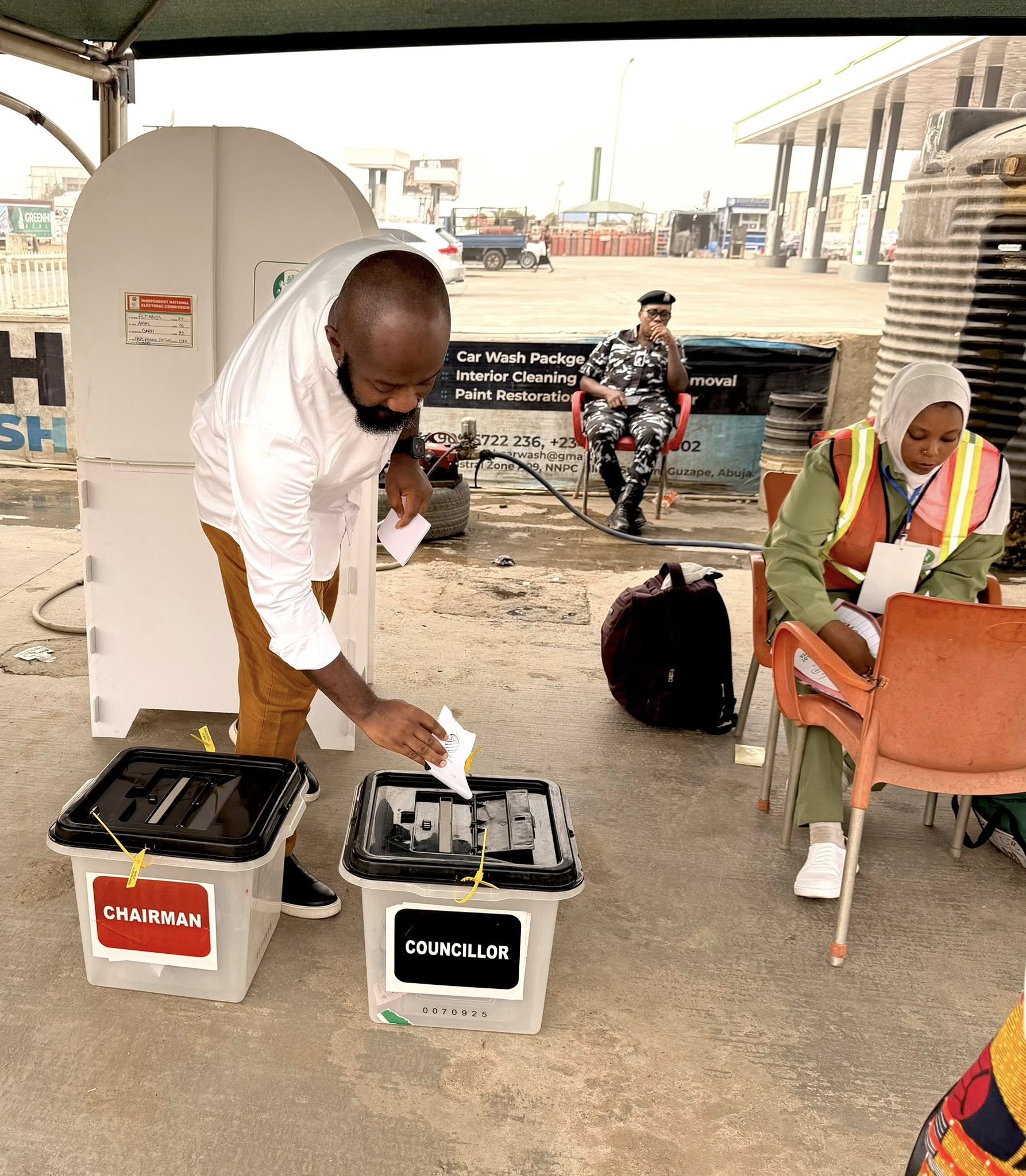

Historical and Political Context
Nigeria party primaries insecurity is not an isolated phenomenon but part of a broader historical pattern of governance challenges and security struggles.
Evolution of Political Competition
Since the return to civilian rule in 1999, political competition in Nigeria has often been shaped by internal party negotiations rather than purely public electoral engagement.
Growing Public Awareness
Citizens are increasingly vocal about governance expectations, particularly regarding safety and economic stability. This shift is reshaping political accountability debates.
FAQ Section
Why is Nigeria party primaries insecurity becoming a national concern?
Because political activities continue while insecurity and abductions increase across multiple regions.
How does insecurity affect political participation in Nigeria?
It reduces public trust, disrupts daily life, and shifts focus away from governance issues.
What role do political parties play in addressing insecurity?
They are expected to influence policy direction, security priorities, and national response strategies.
How do party primaries impact governance in Nigeria?
They shape leadership selection, internal party power structures, and long-term policy direction.
Conclusion
Nigeria party primaries insecurity highlights a growing tension between political processes and national security realities. As party activities continue ahead of the 2027 elections in Nigeria, concerns persist about whether political leadership is adequately addressing the urgent challenges facing citizens. The situation underscores the need for stronger alignment between governance priorities and public safety demands.
PLEASE CLICK HERE FOR MORE NEWS


