 0
0
 0
0
Nigeria gas debt payment and pipeline outage 2026 developments have drawn attention to the country’s energy sector, as progress on legacy debt settlements coincides with a major pipeline disruption affecting electricity supply nationwide. The Federal Government’s efforts to resolve longstanding financial obligations are being acknowledged by gas suppliers, even as technical challenges impact power generation.
Federal Government Addresses Gas Supply Challenges
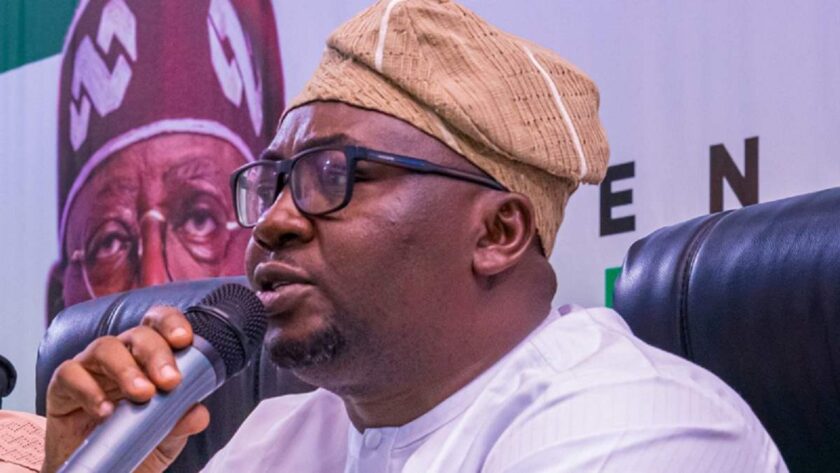
The Minister of Power, Mr Adebayo Adelabu, confirmed that the government is implementing targeted reforms to tackle persistent gas supply issues affecting electricity generation.
Key Government Measures
-
Strengthening gas supply agreements with producers
-
Improving payment structures to restore supplier confidence
-
Enhancing infrastructure reliability across the energy value chain
Adelabu expressed optimism that these interventions are already yielding gradual improvements and will significantly boost electricity supply in the near future.
Focus on Sustainable Energy Supply
According to the minister, efforts are underway to ensure reliable and sustainable electricity for households, businesses, and industries. These reforms are part of a broader strategy to stabilize Nigeria’s power sector and improve long-term performance.
Progress on Legacy Gas Debt Payments
One of the major highlights of the Nigeria gas debt payment and pipeline outage 2026 situation is the progress made in clearing multi-trillion naira legacy debts owed to gas suppliers.
Breakdown of Debt Resolution Efforts
-
Initial claims reduced from ₦6.5 trillion to ₦2.8 trillion after audit verification
-
₦501 billion released in January 2026 as the first installment
-
Additional ₦185 billion approved through a royalty-offset arrangement
These payments have been widely welcomed by stakeholders, including the Association of Power Generation Companies (GenCos) and gas producers.
Impact on the Energy Sector
Industry players describe the debt payments as a major catalyst for stabilizing the energy value chain. Key benefits include:
-
Improved liquidity for gas suppliers
-
Ability to settle obligations with banks and service providers
-
Renewed confidence among domestic and international investors
Pipeline Outage Triggers Power Supply Disruptions
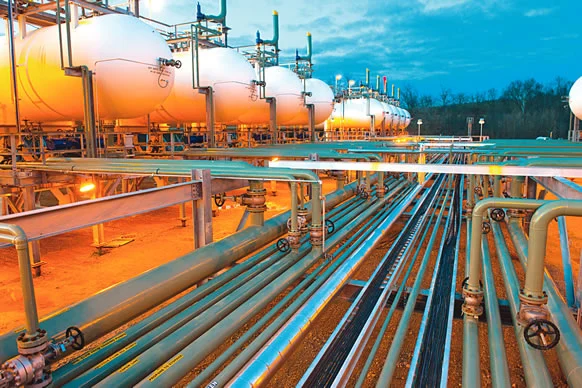
Despite progress on debt payments, the Nigeria gas debt payment and pipeline outage 2026 developments have been overshadowed by a significant outage on the Trans Forcados Pipeline (TFP).
Cause of the Outage
The disruption is linked to ongoing repairs and scheduled maintenance on the pipeline, a critical infrastructure for:
-
Crude oil transportation
-
Gas supply to thermal power plants
Effect on Electricity Generation
The Nigerian Independent System Operator (NISO) reported a sharp decline in gas supply:
-
Current supply: 692 million standard cubic feet per day
-
Required supply: 1,629.75 mmscf/d
-
Operational capacity: Below 43%
This shortfall has led to widespread blackouts across parts of the country, affecting homes and businesses.
Efforts to Restore Power Supply
Technical teams from the Nigerian Gas Infrastructure Company (NGIC) are actively working to complete repairs on the affected pipeline.
Recovery Plan
-
Gradual restoration of gas pressure
-
Incremental ramp-up of power plant operations
-
Continuous monitoring of grid stability
H3: Expected Timeline
While no exact completion date has been confirmed, officials expect a gradual recovery in electricity output as repairs progress and gas supply improves.
H3: Managing Short-Term Disruptions
Authorities have indicated that temporary outages are unavoidable during maintenance but are necessary to ensure long-term infrastructure reliability.
Balancing Short-Term Setbacks and Long-Term Gains
The Nigeria gas debt payment and pipeline outage 2026 scenario highlights the contrast between immediate operational challenges and long-term structural reforms.
Long-Term Energy Security Goals
Government officials and industry leaders agree that resolving legacy debts remains the most critical step toward achieving:
-
Sustainable energy supply
-
Increased private sector investment
-
Stronger energy infrastructure
These efforts align with Nigeria’s broader Decade of Gas Initiative, which aims to maximize the country’s gas resources for economic growth.
Broader Economic and Policy Context
The reforms are part of wider economic strategies aimed at repositioning Nigeria globally and attracting investment. Government officials have emphasized the importance of:
-
Policy consistency
-
Public cooperation
-
Transparent governance
Role of International Engagements
Recent international engagements are expected to strengthen bilateral relations and unlock new investment opportunities, particularly in energy and infrastructure sectors.
Call for Public Support
Adelabu urged Nigerians to remain patient and supportive, noting that enduring progress requires collective sacrifice and long-term commitment to national development goals.
Key Takeaways
-
Nigeria is making progress in clearing legacy gas debts to suppliers.
-
Pipeline maintenance has caused temporary power disruptions nationwide.
-
Gas supply has dropped significantly, affecting electricity generation.
-
Repairs are ongoing, with gradual recovery expected.
-
Long-term reforms aim to ensure sustainable energy security and investment growth.
FAQ Section
Q1: What is the Nigeria gas debt payment and pipeline outage 2026 issue about?
A1: It refers to the Federal Government’s progress in paying gas sector debts alongside a major pipeline outage that has disrupted electricity supply.
Q2: How much has the government paid toward legacy gas debts?
A2: The government released ₦501 billion initially and approved an additional ₦185 billion through a royalty-offset arrangement.
Q3: Why is there a power outage in Nigeria currently?
A3: The outage is caused by maintenance on the Trans Forcados Pipeline, which has reduced gas supply to power plants.
Q4: When will electricity supply return to normal?
A4: Power supply is expected to improve gradually as pipeline repairs are completed and gas supply is restored.
Conclusion
The Nigeria gas debt payment and pipeline outage 2026 developments reflect a complex phase in Nigeria’s energy sector. While pipeline maintenance has triggered short-term disruptions, ongoing reforms and debt settlements are laying the foundation for long-term stability. The balance between addressing immediate challenges and sustaining structural improvements will be critical in shaping Nigeria’s energy future.
PLEASE CLICK HERE FOR MORE NEWS