


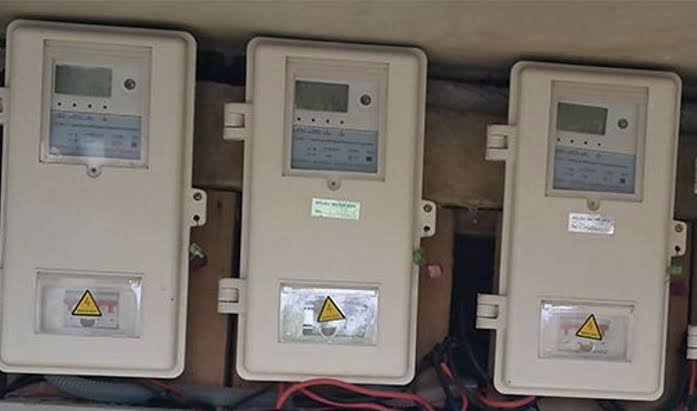
The Nigeria electricity metering rate has reached about 57%, following a large-scale rollout of prepaid meters across the country. The update was disclosed by the federal government, which confirmed that hundreds of thousands of new meters have been deployed under ongoing electricity sector reforms aimed at improving transparency, efficiency, and consumer protection.
Officials say the Nigeria electricity metering rate is expected to rise further as additional installation programmes continue across distribution networks nationwide.
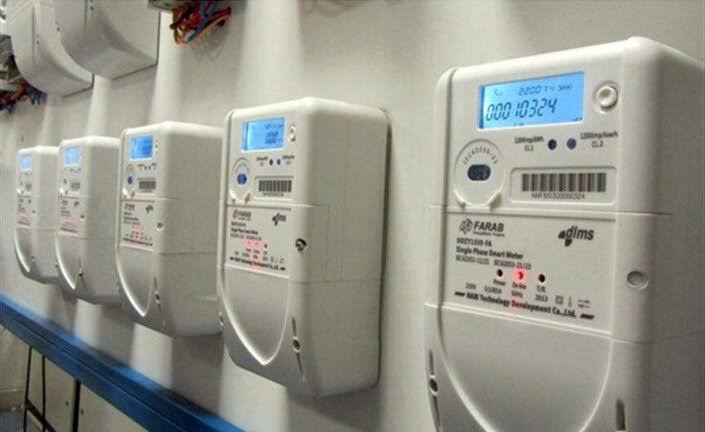

Government Reports Major Progress in Electricity Metering
The federal government stated that the increase in the Nigeria electricity metering rate reflects progress made through coordinated national programmes. These efforts are designed to reduce estimated billing and improve accountability in electricity consumption.
Key Meter Deployment Programmes
According to energy officials, two major initiatives are driving the expansion:
- Presidential Metering Initiative
- World Bank-supported metering programme
These programmes have already delivered significant numbers of prepaid meters to households and businesses across the country.
Expansion Plans Ahead
Authorities confirmed that:
- Several million additional meters are expected in coming years
- Installation will continue across distribution companies
- Priority will be given to unmetered consumers
The goal is to ensure wider coverage and improve reliability in billing systems.
Impact on Electricity Consumers
The growth in the Nigeria electricity metering rate is expected to reduce disputes between consumers and distribution companies.
Key expected benefits include:
- Reduced estimated billing
- Improved transparency in energy usage
- Better consumer protection
- More accurate billing systems
These improvements are central to ongoing electricity sector reforms.
Electricity Tariff Reform and Market Changes
Alongside metering expansion, the government is also implementing electricity tariff reforms aimed at improving financial sustainability in the sector.
Cost Reflective Tariff Structure
Officials reported that approximately 45% of the electricity market is now operating under cost-reflective tariffs linked to service quality.
This system is designed to:
- Align pricing with supply reliability
- Encourage investment in infrastructure
- Improve service delivery standards
Protection for Vulnerable Households
The subsidy structure has also been redesigned to protect low-income households.
Subsidy Adjustments
- Targeted support for vulnerable consumers
- Reduced overall subsidy burden
- More efficient allocation of government resources
Authorities stated that these adjustments could reduce projected subsidy costs significantly over time.
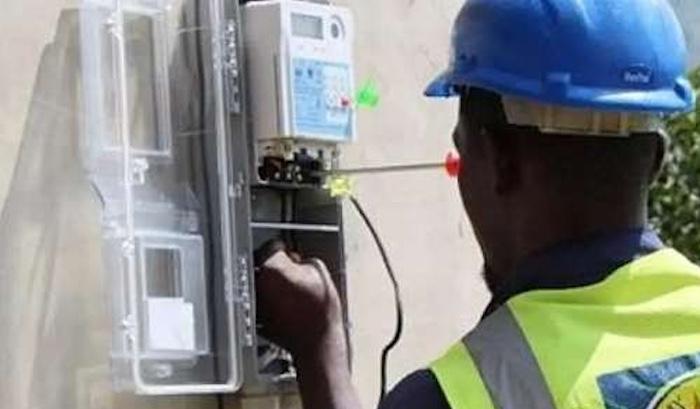

Energy Reform and Economic Development Goals
Energy sector reforms remain central to Nigeria’s broader economic strategy, with officials emphasizing that electricity access directly influences national productivity.
Energy as a Foundation for Growth
Government representatives highlighted that energy is not just a standalone sector but a key driver of economic performance.
When electricity supply improves, it supports:
- Industrial productivity
- Agricultural processing
- Transport efficiency
- Job creation
- Business expansion
Challenges of Energy Inefficiency
Officials also noted that poor energy supply has historically contributed to:
- High diesel usage
- Increased cost of goods
- Inflation pressures
- Reduced business competitiveness
Improving the Nigeria electricity metering rate is seen as part of the broader solution to these challenges.
Reform Objectives
The reform programme aims to:
- Strengthen sector performance
- Improve revenue collection
- Expand electricity access
- Enhance infrastructure reliability
Government Commitment to Sector Transformation
Officials reiterated that Nigeria’s energy reforms are focused on long-term structural improvements rather than short-term fixes.
From Policy to Implementation
Authorities stated that several foundational steps have already been completed, including:
- Policy direction and approvals
- Structural adjustments in the sector
- Negotiation and signing of key agreements
The next phase focuses on execution and service delivery.
Focus on Reliable Power Supply
Government priorities now include:
- Expanding grid reliability
- Reducing system losses
- Increasing generation efficiency
- Strengthening distribution networks
These measures are expected to complement the rising Nigeria electricity metering rate.
Role of International Partnerships in Power Sector Growth
International collaboration continues to play a key role in Nigeria’s energy transformation, particularly in financing and technical support.
Nigeria–UK Energy Cooperation
Officials highlighted the importance of partnerships with international institutions, including contributions from the United Kingdom.
Areas of support include:
- Financing structures
- Legal and regulatory frameworks
- Engineering expertise
- Institutional capacity building
Investment and Project Development
The focus is shifting toward bankable projects that can attract sustainable investment.
Key goals include:
- Scaling infrastructure funding
- Improving project execution
- Enhancing technical training
- Expanding private sector participation
Strengthening Energy Access and National Competitiveness
Government representatives emphasized that improving electricity access is directly linked to Nigeria’s competitiveness in the global economy.
Economic Importance of Electricity
Reliable electricity enables:
- Lower production costs
- Stronger manufacturing output
- Improved business environments
- Increased foreign investment
Long-Term Reform Vision
The long-term strategy focuses on transforming Nigeria’s energy sector from potential to performance through consistent reforms and disciplined execution.

FAQ
What is Nigeria electricity metering rate?
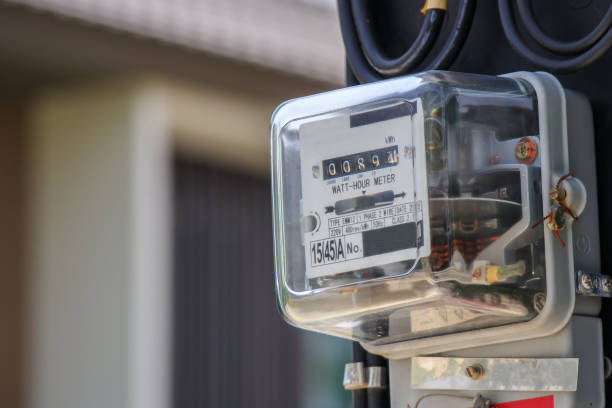
The Nigeria electricity metering rate refers to the percentage of electricity consumers in the country who have been provided with prepaid or functional electricity meters.
Why is Nigeria increasing electricity metering?
The government is expanding metering to reduce estimated billing, improve transparency, and strengthen revenue collection in the power sector.
What programmes are supporting the metering expansion?
The expansion is driven by the Presidential Metering Initiative and a World Bank-supported metering programme.
How does electricity metering affect consumers?
It helps consumers receive accurate billing based on actual usage, reducing disputes and improving accountability.
The increase in the Nigeria electricity metering rate reflects ongoing efforts to modernize the power sector and improve service delivery across the country. With continued investment, policy reforms, and international cooperation, authorities aim to strengthen electricity access and support broader economic development.
Click here for more news


