 0
0
 0
0
The Nigeria BT cotton textile revival strategy is gathering pace as regulators, scientists and private sector partners align to rebuild the country’s declining cotton and textile value chain. At the center of this renewed push is the deployment of pest resistant BT cotton varieties designed to boost farm productivity and restore reliable domestic cotton supply.
Nigeria’s textile sector, once a major employer across northern production belts, has struggled for decades due to inconsistent cotton output, rising input costs and policy instability. Stakeholders now believe biotechnology driven seed reform could provide the foundation needed to reverse that decline.
Seed Technology at the Core of Reform
The Nigeria BT cotton textile revival initiative came into focus during a Mini Cotton Field Day organized by the National Agricultural Seeds Council in collaboration with Mahyco Nigeria PTE Ltd in Abuja.
The event was framed as more than a routine demonstration. Officials described it as a national economic intervention aimed at addressing one of the textile industry’s most persistent constraints: unreliable access to high quality cotton.
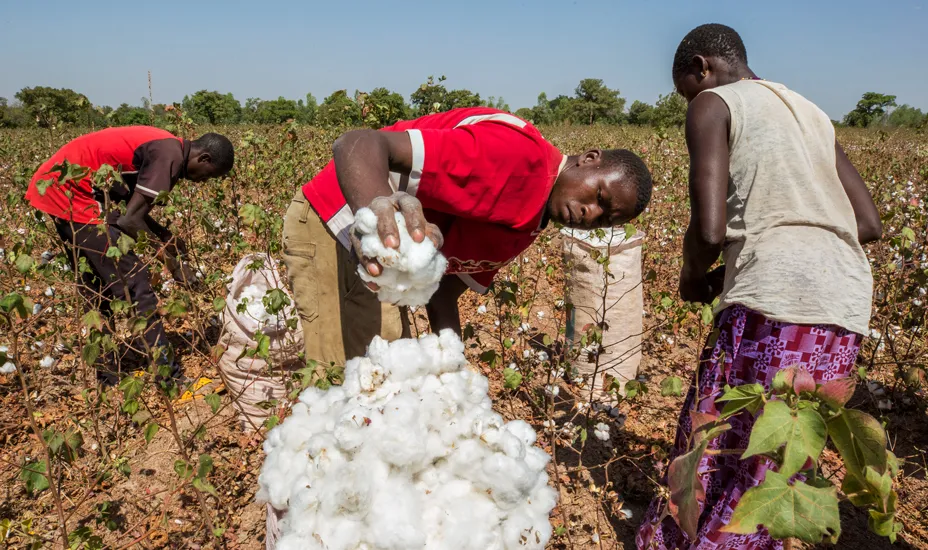
For years, farmers relied on recycled or adulterated seeds, producing yields between 900 kilograms and 1.5 tonnes per hectare. These levels were too low to sustain profitability or attract large scale industrial demand, forcing textile mills to rely on imports or operate below capacity.
How BT Cotton Changes the Equation
BT cotton varieties offer built in resistance to bollworm pests, significantly reducing pesticide use and production costs. According to representatives of the National Biotechnology Research and Development Agency, the technology marks a shift toward science led agricultural industrialization.
The varieties showcased, Mahyco C567 BGII and Mahyco C571 BGII, were developed through collaboration between Mahyco Nigeria and the Ahmadu Bello University Zaria under regulatory oversight.
Field data indicate potential yields ranging from 3.5 to 4.4 tonnes per hectare. If sustained, such productivity could dramatically strengthen the Nigeria BT cotton textile revival effort by ensuring consistent supply of quality lint to domestic manufacturers.
Strengthening the Seed System
Beyond higher yields, policymakers view seed system reform as essential to long term success. The National Agricultural Seeds Council has intensified certification, variety registration and compliance enforcement to eliminate adulterated seeds.
Officials argue that rebuilding trust in the seed industry will attract private investment and stabilize production. Reliable certified seed distribution will be critical to sustaining the gains promised by biotechnology.
Regulators also emphasize strict stewardship to prevent seed recycling or misuse that could undermine long term efficacy.
Rebuilding the Cotton Textile Value Chain
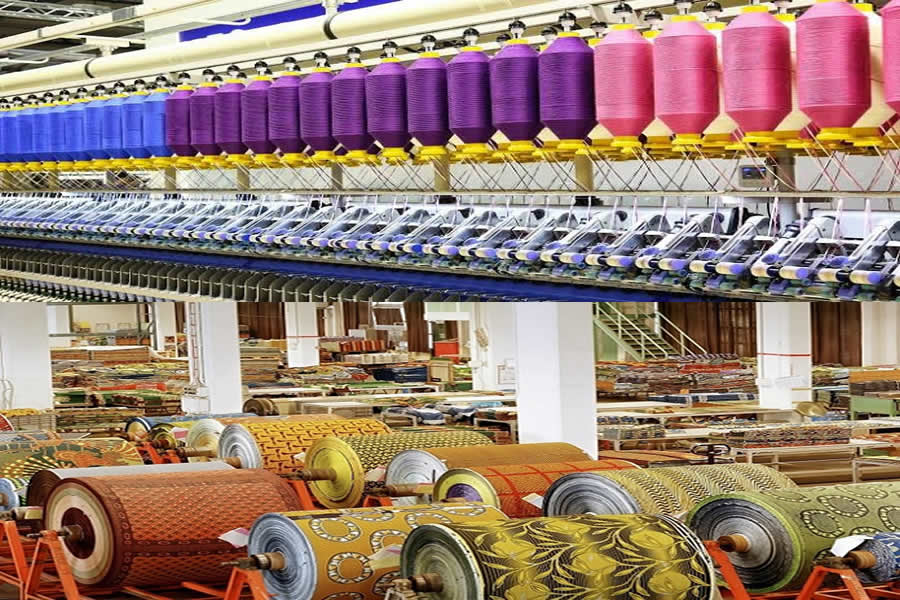
Cotton once supported a vibrant ecosystem of ginneries, spinning mills and garment factories across Nigeria. The collapse of this ecosystem has deepened import dependence and widened the trade deficit in textiles.
Stakeholders at the Abuja engagement stressed that the Nigeria BT cotton textile revival must begin with productivity at the farm level. Improved fiber characteristics such as stronger length and better uniformity are expected to align more closely with industrial processing standards.
This alignment could enhance spinning efficiency, improve fabric quality and strengthen competitiveness against imported alternatives.
Public Private Collaboration
The partnership between NASC and Mahyco Nigeria reflects a coordinated approach that integrates regulatory oversight, scientific innovation and commercial distribution.
Through farmer demonstrations, technology transfer initiatives and stewardship training, stakeholders are working to ensure responsible biotechnology adoption.
The Open Forum on Agricultural Biotechnology Nigeria also participated, encouraging science based regulatory standards and transparency to maintain public trust.
Adoption Remains Critical
Despite optimism, the success of the Nigeria BT cotton textile revival depends on widespread farmer adoption. Field day participants inspected demonstration plots, assessed boll development and shared experiences on planting density and pest management.
Early adopters reported lower pesticide costs and higher returns, outcomes that could gradually restore cotton’s commercial appeal.
However, experts caution that seed innovation alone cannot fully revive the textile sector. Complementary investments in power supply, credit access, infrastructure and stable trade policies will be required to translate farm productivity into industrial competitiveness.

Economic Diversification and Industrial Growth
Revitalizing cotton aligns with Nigeria’s broader diversification agenda aimed at reducing oil dependence and expanding non oil exports.
A reliable domestic cotton supply could:
-
Reduce import dependence
-
Conserve foreign exchange
-
Stimulate rural incomes
-
Encourage investment in ginneries and textile mills
-
Create manufacturing employment
If sustained, the Nigeria BT cotton textile revival could reposition cotton fields as a cornerstone of renewed industrial growth.
Outlook
While structural challenges remain, stakeholders express cautious optimism. The demonstration plots in Abuja symbolized what coordinated policy, science and private sector engagement may achieve.
Continued collaboration among research institutions, regulators, seed companies and farmer groups will determine whether the promise of BT cotton translates into nationwide transformation.
For now, Nigeria’s biotechnology driven cotton strategy represents a calculated economic bet: that boosting farm productivity can supply the raw material base required to reignite textile manufacturing and restore a once thriving industry.
PLEASE CLICK HERE FOR MORE NEWS