 0
0
 0
0
Nepal two-day weekend fuel crisis 2026 has prompted the government to introduce urgent measures, including extending the weekly holiday to two days as the country faces growing energy shortages linked to global disruptions.
The decision, announced after an emergency Cabinet meeting in Kathmandu, reflects mounting pressure on fuel supplies and rising economic concerns.
Government Announces Two-Day Weekly Holiday
Authorities confirmed that government offices and academic institutions will now observe weekends on both Saturdays and Sundays.
This change marks a significant shift from Nepal’s traditional one-day weekend system.
Key Details of the Policy Change
The updated policy includes:
- Closure of public offices two days per week
- Suspension of academic activities on Saturdays and Sundays
- Immediate implementation following Cabinet approval
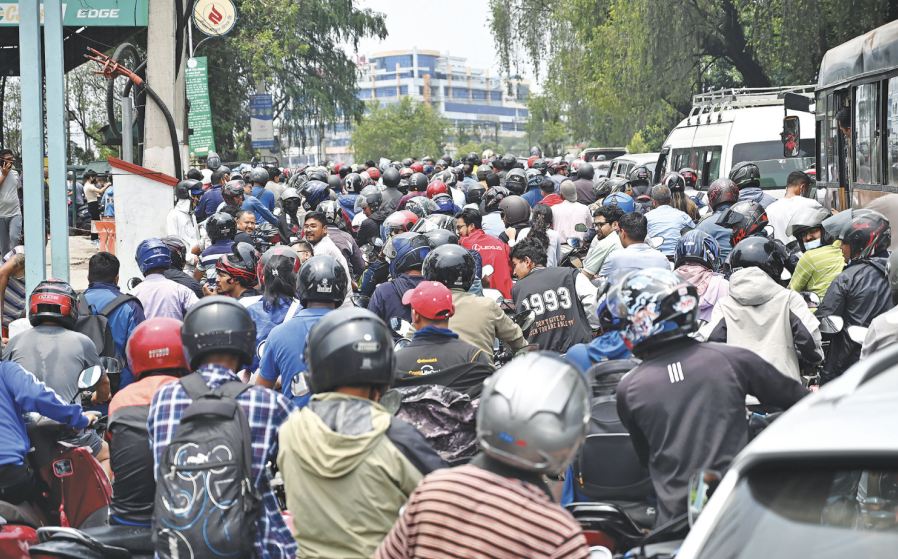
Officials say the move is designed to reduce fuel consumption across the country.
Why the Government Extended the Weekend
The Nepal two-day weekend fuel crisis 2026 policy aims to:
- Lower fuel demand in transportation
- Reduce operational energy use in offices and schools
- Ease pressure on limited fuel supplies
By cutting down commuting and institutional energy usage, authorities hope to stabilize consumption levels.
Fuel Crisis Linked to Global Supply Disruptions
Nepal’s current fuel shortage is closely tied to international developments affecting energy markets.
As a country without domestic fossil fuel production, Nepal relies heavily on imports.
Dependence on Imported Fuel
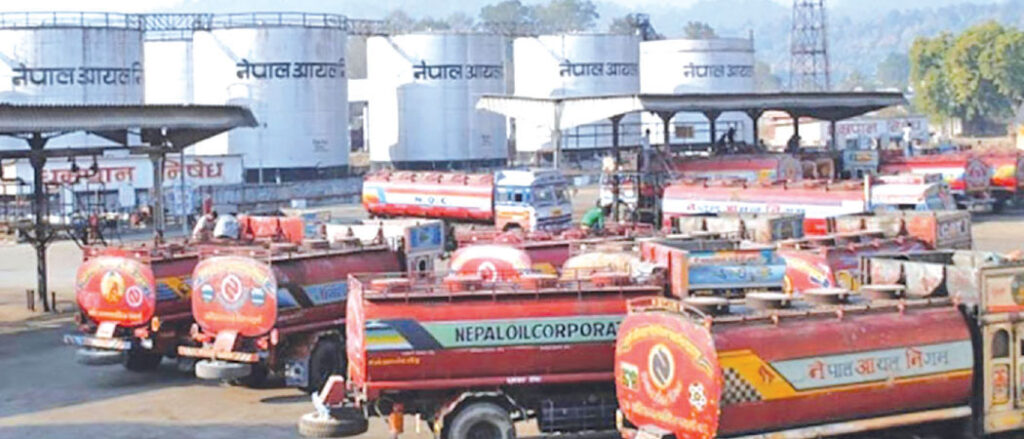
Nepal depends entirely on imported petroleum products, primarily sourced from India.
Key factors contributing to the crisis include:
- Lack of domestic oil reserves
- Dependence on a single major supplier
- Rising global fuel prices
The state-owned Nepal Oil Corporation handles fuel imports, making supply chains highly sensitive to external disruptions.
Impact of Middle East Conflict
The Nepal two-day weekend fuel crisis 2026 is partly driven by escalating tensions in the Middle East.
The conflict intensified following the US-Israel joint offensive on Iran February 2026, which has disrupted global energy flows.
Consequences include:
- Reduced fuel availability in Asian markets
- Increased transportation costs
- Volatility in global oil prices
These developments have created ripple effects, especially for import-dependent countries like Nepal.
Rising Fuel Prices and Economic Pressure
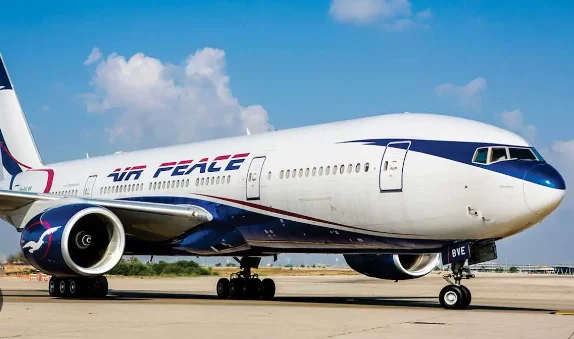
Fuel price increases are already affecting key sectors of Nepal’s economy, particularly aviation and tourism.
Aviation Fuel Costs Nearly Double
Recent reports indicate that aviation fuel prices have almost doubled within a short period.
This has led to:
- Higher operational costs for airlines
- Increased ticket prices for passengers
- Reduced travel demand
Airlines operating both domestic and international routes have adjusted fares upward, impacting affordability.
Threat to Tourism Sector
Tourism plays a crucial role in Nepal’s economy, and rising travel costs could slow visitor numbers.
Potential impacts include:
- Reduced international arrivals
- Lower revenue for hospitality businesses
- Pressure on employment in tourism-related sectors
The Nepal two-day weekend fuel crisis 2026 could therefore have broader economic implications beyond energy shortages.
Policy Shift Toward Electric Vehicles
In addition to extending the weekend, the government has introduced measures to promote alternative energy use.
Conversion of Fuel Vehicles to Electric
Authorities have approved a policy allowing older diesel and petrol vehicles to be converted into electric vehicles (EVs).
This initiative aims to:
- Reduce dependence on imported fuel
- Promote cleaner transportation options
- Encourage long-term energy sustainability
Long-Term Benefits of EV Adoption
The shift toward electric mobility could bring several advantages:
- Lower fuel import costs
- Reduced environmental pollution
- Increased energy independence
Although implementation challenges remain, the policy signals a strategic move toward energy diversification.
How the Policy May Affect Daily Life
The Nepal two-day weekend fuel crisis 2026 is expected to influence both public and private sectors.
Changes for Workers and Students
- Employees will have shorter workweeks in public institutions
- Students will experience extended weekends
- Commuting frequency will decrease
Business and Economic Adjustments
While government offices will close for two days, private sector responses may vary.
Possible outcomes include:
- Adjusted business hours
- Increased reliance on remote work
- Changes in productivity patterns
The full impact will likely depend on how different sectors adapt to the new schedule.
Broader Implications for Energy Policy
The current situation highlights structural vulnerabilities in Nepal’s energy system.
Need for Diversification
Experts often emphasize the importance of diversifying energy sources to reduce reliance on imports.
Key strategies may include:
- Expanding renewable energy projects
- Investing in hydropower
- Encouraging electric transportation
Lessons from the Crisis
The Nepal two-day weekend fuel crisis 2026 underscores:
- The risks of global supply chain dependence
- The importance of energy resilience
- The need for proactive policy planning
Such measures could help mitigate similar crises in the future.
Frequently Asked Questions
Why did Nepal introduce a two-day weekend in 2026?
Nepal extended the weekend to reduce fuel consumption and manage shortages caused by global supply disruptions.
How is the fuel crisis affecting Nepal’s economy?
The crisis is increasing transportation costs, raising airfare, and potentially impacting tourism revenue.
What role does the Middle East conflict play in the fuel shortage?
The conflict has disrupted global energy supplies, leading to reduced availability and higher prices in import-dependent countries.
Will electric vehicles replace fuel-powered vehicles in Nepal?
The government is promoting EV conversions, but widespread adoption will depend on infrastructure and policy support.
Conclusion
The Nepal two-day weekend fuel crisis 2026 reflects a rapid policy response to a complex global energy challenge. By extending the weekly holiday and promoting electric vehicle adoption, the government aims to reduce fuel consumption while preparing for long-term energy transitions. As the situation evolves, the effectiveness of these measures will depend on implementation, public adaptation, and broader developments in global energy markets.