 0
0
 0
0
The NATO missile defenses network has been placed on heightened readiness following an Iranian missile attack on Turkey, according to officials from the alliance’s military headquarters in Mons, Belgium.
A spokesperson for NATO’s command center confirmed that the organization activated enhanced defensive measures after the incident, which involved a ballistic missile launched by Iran that was reportedly aimed at Turkish territory.
The decision to strengthen NATO missile defenses was taken by the commander of NATO Air Command and later approved by the Supreme Allied Commander Europe. The heightened defensive posture will remain in place until security officials determine that the risk of additional missile attacks in the region has significantly decreased.
Officials said the move reflects the alliance’s commitment to protecting its member states and maintaining stability in a region experiencing rising geopolitical tensions.
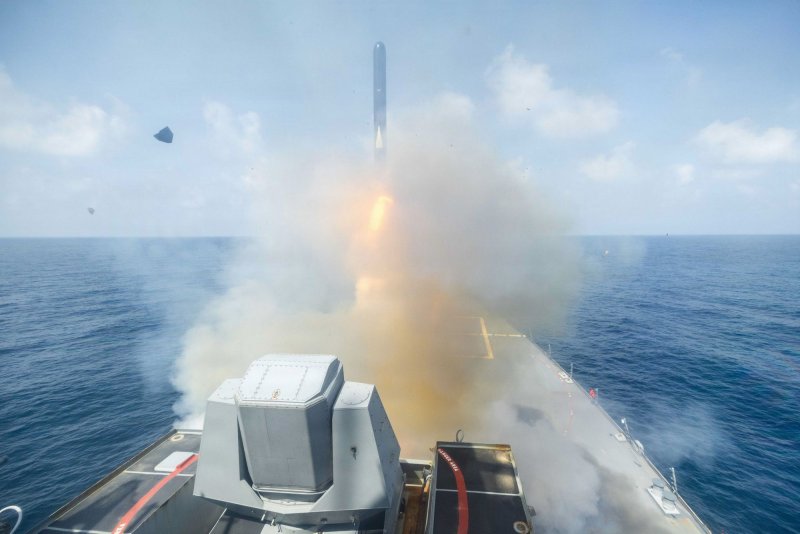
NATO Intercepts Iranian Ballistic Missile in Minutes
According to NATO officials, the alliance’s NATO air defense system successfully intercepted the missile shortly after it was detected.
During a meeting with representatives from NATO member states, the spokesperson explained that the alliance had already demonstrated the effectiveness of its defensive capabilities earlier this week.
Within ten minutes of detection, NATO personnel tracked the incoming ballistic missile, confirmed its trajectory, and activated both ground-based and naval missile defense systems.
These coordinated efforts allowed NATO forces to intercept the Iranian missile before it could reach its intended target.
Military officials described the operation as a clear example of how NATO’s integrated missile defense structure can respond rapidly to emerging threats.
Missile Confirmed to Have Targeted Turkey
NATO clarified that the intercepted projectile was part of an Iranian missile attack on Turkey, contradicting earlier reports that suggested the missile may have been directed at a military installation in Cyprus.
Officials stressed that trajectory analysis confirmed the missile was heading toward Turkish territory when it was intercepted.
A NATO spokesperson also condemned the launch, stating that the attack represented a serious security concern for the region and a direct threat to a member state of the alliance.
Turkey, as a NATO member, is covered under the alliance’s collective defense commitments, meaning any attack against it is treated as a potential threat to the entire organization.
The clarification helped counter speculation circulating in international media about the missile’s intended destination.
NATO Members Show Strong Support for Defense Measures
During consultations with member states, NATO officials reported unanimous backing for the decision to increase readiness across the NATO missile defenses network.
Representatives from allied countries expressed strong support for strengthening defensive capabilities while monitoring developments related to the Iran Turkey missile tension.
The spokesperson emphasized that NATO’s response remains defensive in nature and is aimed solely at protecting allied territory and personnel.
The alliance’s missile defense architecture includes a combination of radar systems, interceptor missiles, naval defense platforms, and command-and-control infrastructure designed to detect and neutralize ballistic missile threats.
This layered system allows NATO to respond quickly to potential attacks and coordinate defensive measures across multiple countries.
NATO Maintains Operational Security
While confirming the interception and readiness measures, NATO officials declined to release additional operational details that could compromise security procedures.
The spokesperson stated that protecting sensitive military information remains essential for ensuring the continued effectiveness of the NATO air defense system.
Despite the limited disclosure, NATO reaffirmed its commitment to safeguarding allied territories and maintaining stability across Europe and the surrounding regions.
Security analysts say the incident highlights the growing importance of missile defense systems as geopolitical tensions increase in several parts of the world.
The alliance is expected to continue monitoring developments closely while maintaining heightened defensive readiness.
PLEASE CLICK HERE FOR MORE NEWS