


The NATO Baltic Sea military drills are set to begin this week as alliance members gather for one of the region’s most significant annual naval exercises. Despite operating on a smaller scale than previous editions, the exercise remains a major demonstration of cooperation among NATO allies and partner nations.
Known as BALTOPS, the military exercise will run from June 4 to June 20 and involve approximately 6,000 personnel, around 20 naval vessels, and forces from 15 participating countries. Military officials say the reduced scale reflects current operational demands in other strategic regions, including the Middle East and the Arctic.
The NATO Baltic Sea military drills continue to play an important role in strengthening maritime security, improving military readiness, and enhancing cooperation among allied forces operating in Northern Europe.
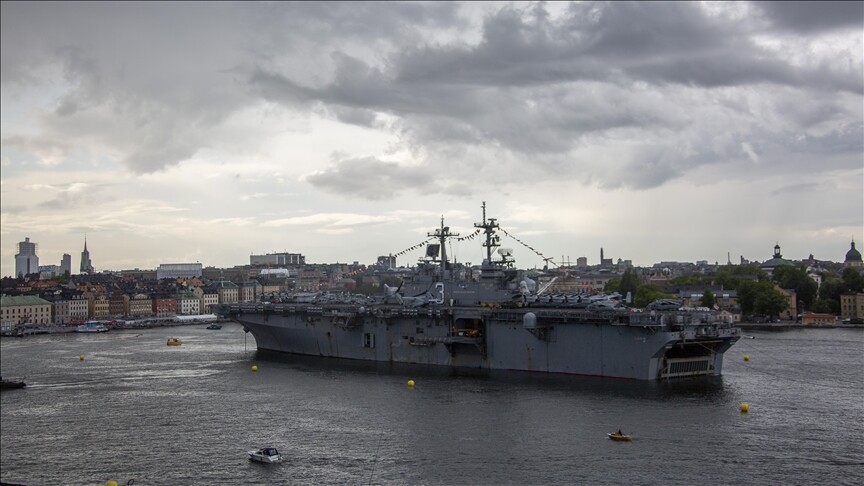

What Is the BALTOPS Exercise?
BALTOPS, short for Baltic Operations, is one of NATO’s longest-running multinational military exercises.
The annual event focuses primarily on naval operations and serves as a platform for participating countries to train together under realistic operational conditions.
History of BALTOPS
The exercise dates back several decades and has evolved into one of the most important military training events in the Baltic region.
Over the years, BALTOPS has brought together NATO members and partner countries to improve coordination across various military domains.
The exercise regularly includes:
- Naval operations
- Maritime security training
- Air support missions
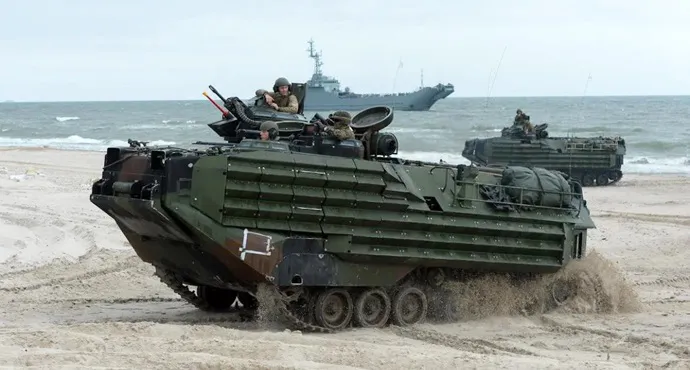
- Amphibious exercises
- Search and rescue operations
Strategic Importance of the Baltic Sea
The Baltic Sea remains one of Europe’s most strategically significant waterways.
It connects several NATO member states and serves as a critical route for trade, transportation, and regional security activities.
Because of its geographical importance, military cooperation in the region remains a priority for alliance members.
Focus on Multinational Cooperation
One of the primary goals of BALTOPS is improving interoperability.
This means ensuring that forces from different countries can operate effectively together during joint missions or potential crisis situations.
NATO Baltic Sea Military Drills Begin With Reduced Forces
Although the NATO Baltic Sea military drills remain substantial in scale, participation levels are lower than in previous years.
Exercise Size Compared to Previous Year
Military officials confirmed that the 2026 exercise will involve roughly half the resources used during last year’s drills.
The current edition includes:
- Around 20 naval vessels
- Approximately 6,000 military personnel
- Forces from 15 countries
In contrast, previous exercises featured significantly larger deployments.
Reasons Behind the Reduction
Officials have linked the reduced scale to ongoing military commitments in other regions.
Several NATO members currently have forces deployed in:
- The Middle East
- The Arctic region
- Various international security missions
As a result, some military assets that would normally participate in BALTOPS are engaged elsewhere.
Continued Commitment Despite Constraints
Despite the smaller size, military leaders stress that the exercise remains an important demonstration of alliance unity.
According to officials, the ability to conduct major multinational exercises while supporting other global operations highlights NATO’s operational flexibility.
Participating Nations and Military Assets
The NATO Baltic Sea military drills will bring together forces from across Europe and North America.
Fifteen Countries Taking Part
The exercise includes participation from multiple NATO allies and partner nations.
These countries contribute various military capabilities, including:
- Surface combat ships
- Support vessels
- Naval aviation units
- Command and control personnel
The multinational composition reflects the alliance’s emphasis on collective defense and cooperation.
Naval Operations at the Core
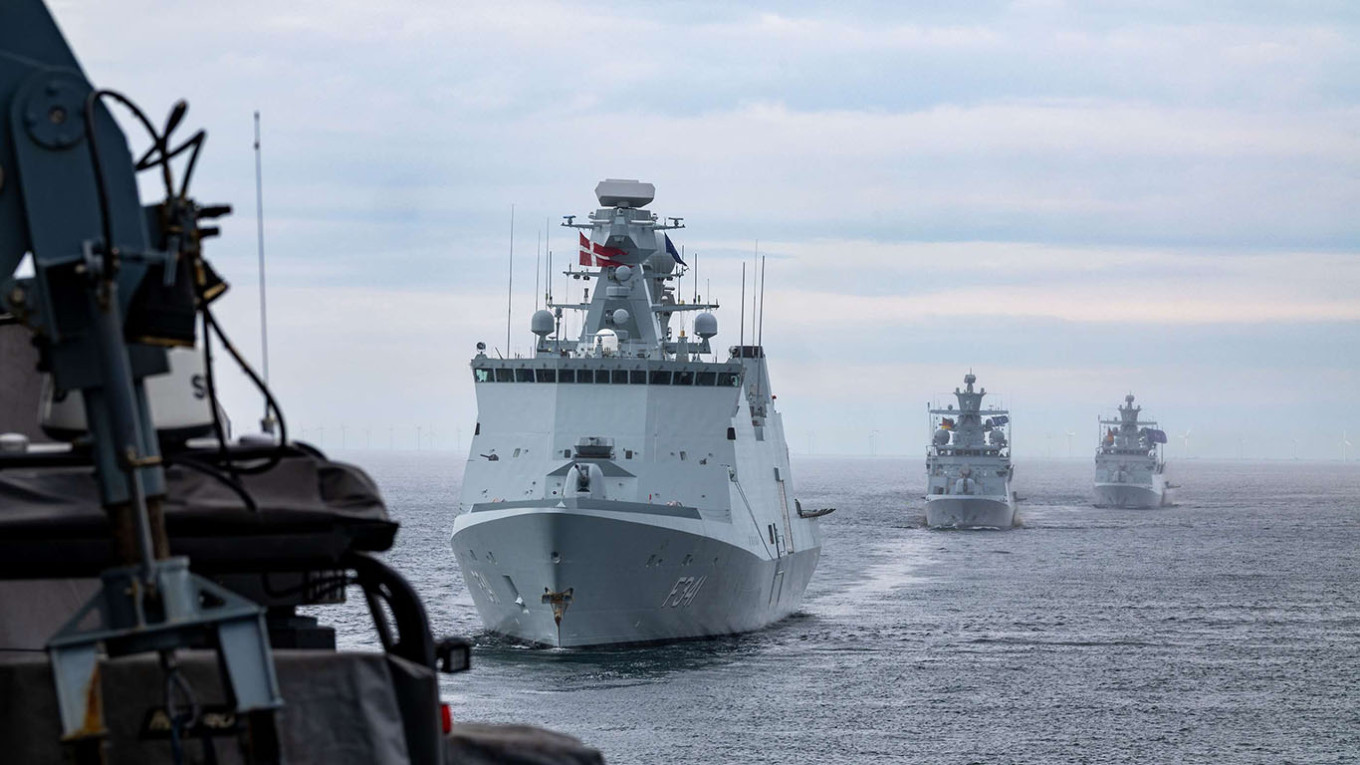
Naval forces remain central to BALTOPS activities.
Participating ships will conduct:
- Maritime patrol operations
- Fleet coordination exercises
- Tactical maneuvers
- Security operations
These activities help improve readiness for real-world maritime scenarios.
Air and Support Components
In addition to naval forces, military aircraft and support units often contribute to BALTOPS.
These assets enhance training realism and allow participating forces to practice integrated operations across multiple domains.
Military Leaders Highlight Alliance Strength
Senior military officials have emphasized the significance of the exercise despite its reduced size.

Importance of Continued Readiness
Military readiness remains a key objective for NATO.
Regular training exercises help ensure that allied forces remain prepared to respond to a wide range of security challenges.
Such exercises also allow commanders to evaluate procedures, communication systems, and operational capabilities.
Demonstrating Collective Defense
The NATO Baltic Sea military drills reinforce the alliance’s principle of collective defense.
This principle states that member nations work together to address security concerns and support one another when necessary.
Joint exercises help strengthen that commitment through practical cooperation.
Enhancing Regional Stability
Officials argue that multinational training contributes to regional stability by improving transparency and communication among allied militaries.
Regular exercises also help build trust and coordination among participating countries.
Baltic Sea Security Remains a Key Focus
The Baltic region has become increasingly important in European security discussions.
Geographic Significance
The Baltic Sea connects several countries with strategic economic and security interests.
The region serves as an important route for:
- Commercial shipping
- Energy transportation
- International trade
Maintaining security in these waters remains a priority for many nations.
Growing Maritime Cooperation
Countries in the region continue to expand cooperation on maritime security initiatives.
These efforts include:
- Information sharing
- Joint patrols
- Training exercises
- Emergency response planning
BALTOPS provides a practical framework for advancing these objectives.
Importance of Naval Presence
A strong naval presence helps ensure freedom of navigation and supports broader security goals in the region.
Military planners often view regular exercises as an essential component of maintaining operational readiness.
Global Deployments Affect Military Planning
The reduced scale of the NATO Baltic Sea military drills reflects broader global military commitments.
Middle East Operations
Several NATO members continue to participate in security operations and missions across the Middle East.
These commitments require personnel, aircraft, ships, and logistical support.
Arctic Security Priorities
The Arctic has also gained increasing strategic importance.
Countries are investing more resources in Arctic operations due to changing environmental conditions, shipping routes, and security considerations.
These commitments influence how military assets are distributed worldwide.
Balancing Multiple Responsibilities
Military organizations frequently face the challenge of balancing regional exercises with active operational deployments.
The current BALTOPS exercise demonstrates how alliances adapt to changing global demands while maintaining readiness in key regions.
Future Outlook for NATO Exercises
Military experts expect NATO to continue conducting large-scale multinational exercises across Europe and other strategic areas.
Importance of Regular Training
Exercises provide valuable opportunities to:
- Test military capabilities
- Improve interoperability
- Develop leadership skills
- Strengthen alliance relationships
These benefits remain essential regardless of exercise size.
Adapting to New Security Challenges
Future drills are likely to incorporate evolving threats and technologies, including cyber security, unmanned systems, and advanced communications.
Such adaptations help ensure military preparedness in a changing security environment.

Continued Role of BALTOPS
BALTOPS is expected to remain a central component of NATO’s regional training efforts.
The exercise continues to serve as an important platform for cooperation among allied naval forces.
FAQ
What are the NATO Baltic Sea military drills?
The NATO Baltic Sea military drills are multinational naval exercises conducted under the BALTOPS program to improve military cooperation and readiness.
How many countries are participating in BALTOPS 2026?
Fifteen countries are participating in the exercise alongside approximately 6,000 personnel and 20 vessels.
Why is BALTOPS 2026 smaller than previous exercises?
Officials say the reduced size is due to ongoing military deployments in the Middle East, the Arctic, and other operational commitments.
What is the purpose of the BALTOPS exercise?
The exercise focuses on maritime security, interoperability, military readiness, and cooperation among NATO allies and partner nations.
The NATO Baltic Sea military drills demonstrate the alliance’s continued commitment to regional security and multinational cooperation. Although this year’s exercise involves fewer personnel and vessels than previous editions, it remains a significant training operation that highlights NATO’s ability to maintain readiness while supporting global deployments. As security challenges continue to evolve, exercises such as BALTOPS will remain important tools for strengthening cooperation and operational effectiveness among allied forces.
Click here for more news


