 0
0
 0
0
Natanz nuclear facility air strike Iran 2026 has intensified global attention after reports confirmed that Iran’s main nuclear enrichment site was targeted amid an ongoing regional conflict.
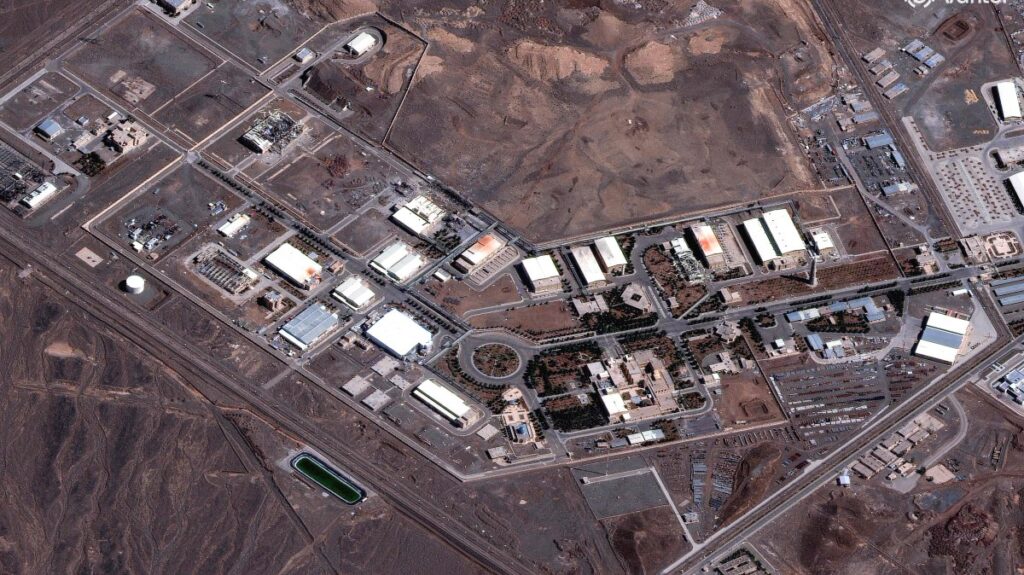
Air Strike Hits Key Nuclear Site in Iran
Iranian state-linked media reported that the Natanz nuclear facility was struck in an air attack as hostilities in the Middle East entered a new phase.
The facility is located approximately 220 kilometres southeast of Tehran, making it one of the country’s most strategically significant nuclear sites.
No Radiation Leak Reported
Authorities stated that:
- No radiation leakage occurred following the strike
- The situation remains under monitoring
- Safety measures were reportedly in place
Earlier incidents involving the same site also did not result in radiological consequences, according to international assessments.
Previous Attacks on Natanz
The Natanz nuclear facility air strike Iran 2026 is not the first time the site has been targeted.
- Damaged buildings were observed via satellite imagery earlier in the conflict
- The site was previously hit during the early phase of the war
- It had also been targeted during the Iran Israel 12-day war June 2025
These repeated strikes highlight its central role in Iran’s nuclear program.
Escalating Middle East Conflict Enters Fourth Week
The broader conflict, which began in late February 2026, has shown no signs of slowing.
Ongoing Attacks Across the Region
- Missile exchanges between Iran and Israel continue
- Drone attacks have expanded beyond immediate conflict zones
- Air strikes have hit multiple strategic locations
Saudi Arabia also reported intercepting approximately 20 drones within a short period in its eastern region, an area critical for oil production.
Civilian and Military Impact
Casualties continue to rise across multiple regions:
- Over 1,300 reported deaths in Iran
- More than 1,000 fatalities linked to strikes in Lebanon
- Dozens of casualties reported in Israel and surrounding areas
Displacement has affected millions, particularly in areas impacted by air strikes.
United States Response and Military Movements
The Natanz nuclear facility air strike Iran 2026 comes amid mixed signals from the United States regarding its military strategy.
Statements from Donald Trump
The US president indicated that:
- The country may consider “winding down” military operations
- Strategic objectives are reportedly close to being achieved
However, these remarks were followed by actions suggesting continued escalation.
Increased Military Deployment
Officials confirmed that:
- Three additional amphibious assault ships are being deployed
- Around 2,500 more marines are heading to the region
- Over 50,000 US troops are already stationed in the Middle East
These deployments indicate ongoing preparedness despite public statements about de-escalation.
Policy Shifts on Oil Sanctions
In a separate move, the US administration:
- Temporarily eased sanctions on Iranian oil shipments already loaded on vessels
- Aimed to stabilize global fuel prices amid rising costs
This policy reflects economic pressures tied to the conflict.
Oil Prices Surge Amid Global Uncertainty
The Natanz nuclear facility air strike Iran 2026 has contributed to volatility in global energy markets.
Rising Crude Oil Prices
- Brent crude reached approximately $106 per barrel
- Prices were around $70 before the conflict began
The increase has had ripple effects on:
- Transportation costs
- Food prices
- Global inflation trends
Supply Chain Concerns
Iran’s ongoing attacks and regional instability have:
- Disrupted oil supply routes
- Increased insurance costs for shipping
- Heightened risks for energy infrastructure
These factors continue to impact global markets.
Threats Beyond the Middle East
Iranian officials have issued warnings that extend beyond the immediate conflict zone.
Statement from Military Leadership
A senior Iranian military spokesperson warned that:
- Recreational and tourist sites globally could become targets
- Actions would be directed at perceived adversaries
This has raised concerns about potential international security risks.
Implications for Global Security
- Increased vigilance in major cities worldwide
- Heightened alert levels for tourist destinations
- Concerns over non-traditional forms of retaliation
Such warnings underscore the broader reach of the conflict.
Leadership and Internal Situation in Iran
The internal situation in Iran remains difficult to assess due to limited information.
Role of Ayatollah Mojtaba Khamenei
The current supreme leader has:
- Praised public resilience during the conflict
- Delivered messages through official channels
However, his absence from public appearances has raised questions about internal dynamics.
Limited Transparency
Observers note:
- Restricted flow of information from within Iran
- Uncertainty over damage to infrastructure
- Limited confirmation of command structures
This lack of clarity complicates analysis of the situation.
Continued Strikes in Lebanon and Beyond
The conflict has expanded to neighboring regions, particularly Lebanon.
Air Strikes in Beirut
Israeli forces reportedly conducted strikes targeting Hezbollah positions in Beirut.
- Explosions and fires were reported in southern suburbs
- Evacuation warnings were issued for several neighborhoods
Humanitarian Impact
- Over one million people displaced in Lebanon
- Significant infrastructure damage
- Ongoing risk to civilians
These developments highlight the widening scope of the conflict.
FAQ Section
What is the Natanz nuclear facility air strike Iran 2026?
It refers to a reported air strike on Iran’s primary nuclear enrichment site during an ongoing regional conflict.
Was there radiation leakage after the Natanz strike?
According to initial reports, no radiation leakage occurred following the attack.
Why is the Natanz nuclear facility important?
Natanz is a central site in Iran’s nuclear program, making it a key strategic target during conflicts.
How has the conflict affected global oil prices?
Oil prices have surged significantly, with Brent crude rising above $100 per barrel due to supply concerns.
Conclusion
The Natanz nuclear facility air strike Iran 2026 underscores the intensifying nature of the Middle East conflict, with strategic infrastructure, global markets, and regional stability all affected. While no immediate radiological impact has been reported, the broader implications continue to unfold, with military, economic, and geopolitical consequences likely to persist in the coming weeks.
PLEASE CLICK HERE FOR MORE NEWS