


The Moscow fuel shortage crisis has intensified as major Russian digital marketplaces move to block fuel resale advertisements amid growing supply disruptions and rapidly rising gasoline prices across the country.
Authorities and online platforms have introduced restrictions to curb speculative trading as fuel shortages affect multiple regions, including Moscow and surrounding areas. The measures come as Russia faces increasing pressure on domestic fuel supplies following attacks on energy infrastructure and refinery operations.
The developing Moscow fuel shortage crisis is now impacting consumers, businesses, and fuel retailers, leading to stricter controls on fuel distribution and sales.
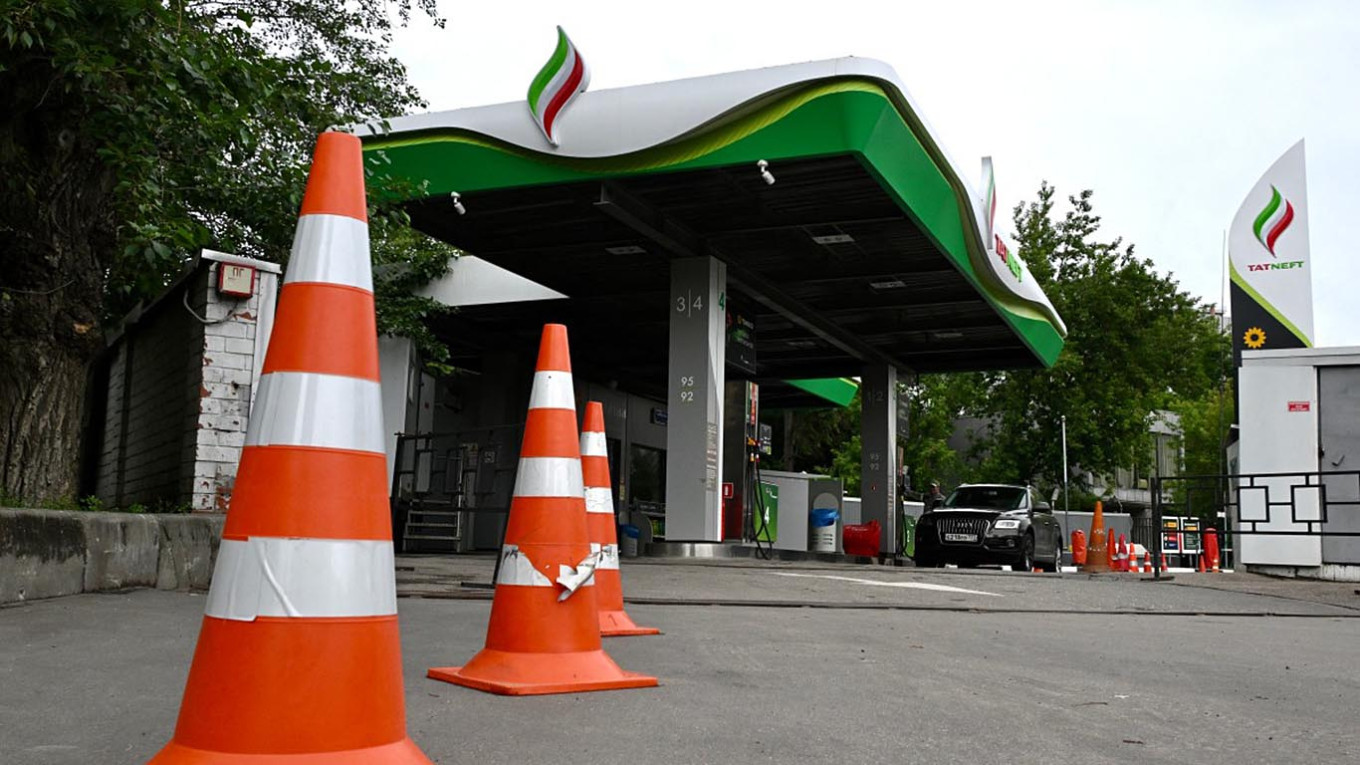

Russian Marketplaces Restrict Fuel Resale Listings
Several of Russia’s largest online marketplaces have introduced new rules targeting fuel advertisements.
The Federal Antimonopoly Service confirmed that it is working closely with digital platforms to prevent speculative fuel trading and resale activities.
Avito Temporarily Hides Fuel Listings
Avito has temporarily removed public access to fuel-related advertisements while updating its marketplace policies.
Before the restrictions were implemented:
- More than 740 fuel listings appeared on the platform
- Over 400 listings were posted by private sellers
- The remaining advertisements came from commercial entities
Officials believe some sellers were purchasing fuel solely for resale at higher prices during the shortage.
Ozon and Wildberries Introduce Full Ban
Unlike Avito, both Ozon and Wildberries have completely prohibited fuel sales.
Attempts to publish gasoline or diesel listings are now automatically blocked during the moderation process before reaching public view.
The restrictions aim to reduce speculation during the ongoing Moscow fuel shortage crisis and maintain greater control over fuel distribution.
Fuel Prices Surge Across Moscow Region
One of the most visible consequences of the Moscow fuel shortage crisis has been a sharp increase in fuel prices.
Data from the Moscow region shows that gasoline costs accelerated significantly during the second half of June.
AI-95 Gasoline Records Sharp Increase
Between June 15 and June 19:
- AI-95 gasoline rose by 1.76 rubles per liter
- Average price reached 75.33 rubles per liter
This increase was considerably higher than previous weekly price rises, which typically ranged between 0.05 and 0.5 rubles per liter.
AI-92 Fuel Also Climbs
AI-92 gasoline experienced similar pressure.
Recent figures show:
- Prices increased by 2.07 rubles per liter
- Average cost reached 67.95 rubles per liter
The sudden rise reflects growing supply constraints affecting fuel availability throughout the capital region.
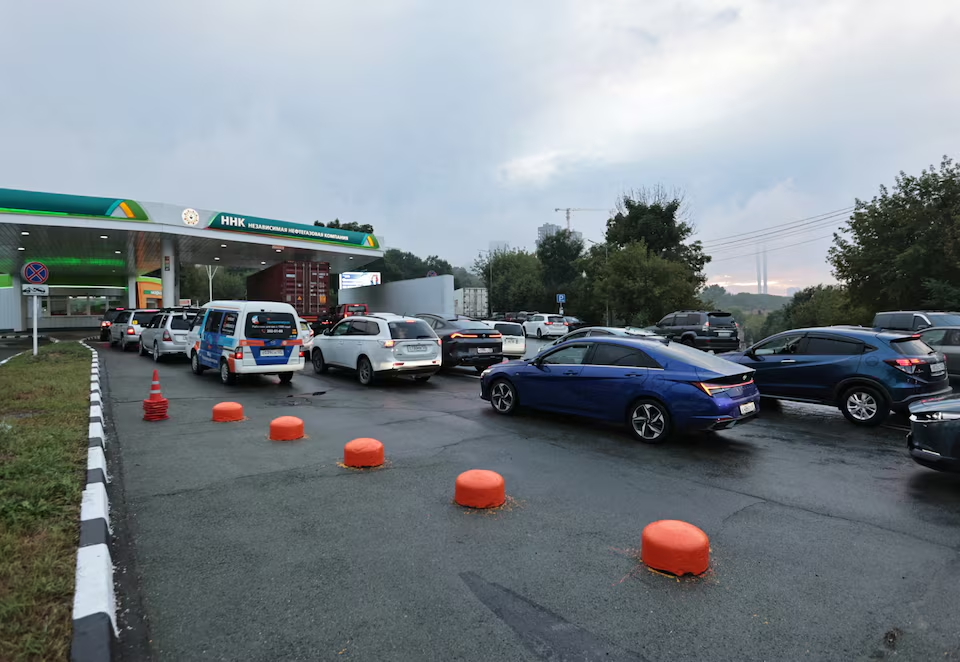

Ukrainian Strikes Continue to Impact Russian Fuel Supply
The current Moscow fuel shortage crisis is closely linked to ongoing disruptions affecting Russia’s energy infrastructure.
Over recent months, Ukrainian attacks targeting oil refineries, storage facilities, and supply networks have created challenges for fuel production and distribution.
Refinery Operations Under Pressure
Repeated strikes have reportedly affected:
- Oil refineries
- Fuel depots
- Storage facilities
- Transportation infrastructure
These disruptions have reduced fuel availability in several regions and increased pressure on existing reserves.
Supply Chain Challenges Expand Nationwide
As refinery output and logistics networks face difficulties, fuel distribution has become increasingly complicated.
The result has been a growing mismatch between supply and consumer demand, particularly in densely populated urban centers.
Crimea Faces Severe Fuel Restrictions
While Moscow is experiencing rising prices and limited availability, occupied Crimea has been hit even harder.
Fuel Sales Suspended
Authorities in Crimea have reportedly halted fuel sales to both citizens and private businesses after attacks targeted key energy infrastructure.
The restrictions are among the most severe measures introduced since the fuel supply disruptions began.
Emergency Measures Introduced
Regional authorities have implemented controls designed to preserve available resources for:
- Emergency services
- Government operations
- Security agencies
- Essential infrastructure providers
These measures highlight the seriousness of the broader fuel supply challenges.
More Than 70 Russian Regions Affected
The Moscow fuel shortage crisis is part of a wider national issue affecting a large portion of Russia.
Research cited by local media indicates that fuel restrictions have been reported in more than 70 regions.
Areas Reporting Fuel Restrictions
Regions affected include:
- Moscow
- Moscow Region
- St. Petersburg
- Kursk Region
- Belgorod Region
- Rostov Region
- Samara Region
The severity of restrictions varies depending on local supply conditions and demand levels.
Thousands of Gas Stations Impacted
Major fuel retailers have introduced sales limits to prevent panic buying.
According to available estimates:
- Approximately 7,000 gas stations face restrictions
- Russia operates nearly 29,000 filling stations nationwide
- Roughly one-quarter of all stations are affected
Industry participants hope these measures will stabilize supplies while reducing consumer panic.
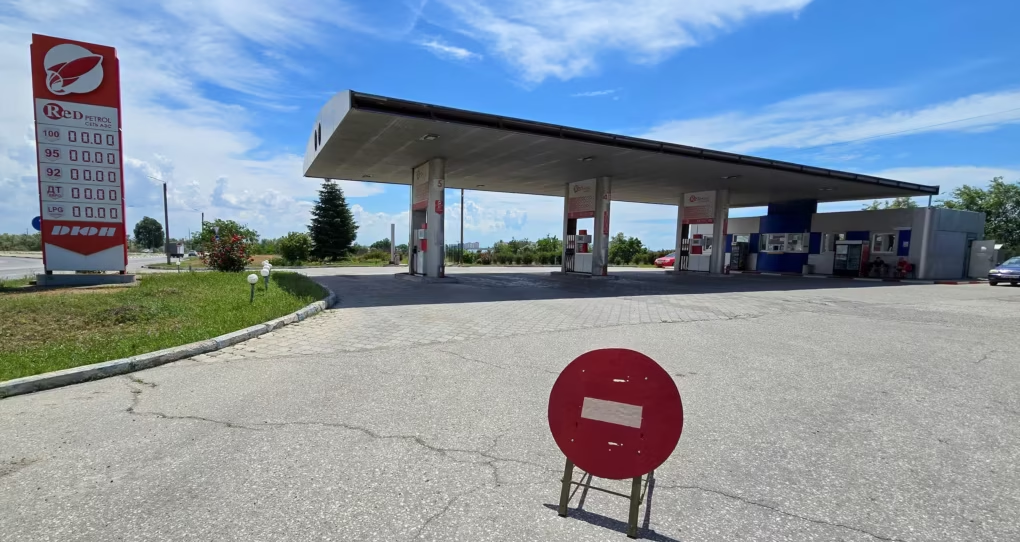

Government Attempts to Control Speculation
Authorities have increasingly focused on preventing speculative fuel trading during the crisis.
Federal Antimonopoly Service Steps In
The Federal Antimonopoly Service is monitoring:
- Marketplace fuel listings
- Price increases
- Distribution practices
- Potential market manipulation
Officials aim to ensure available supplies reach consumers rather than being diverted into resale markets.
Digital Platforms Join Enforcement Efforts
Online marketplaces have become important partners in enforcement efforts.
By blocking fuel advertisements, authorities hope to:
- Reduce speculative activity
- Prevent price manipulation
- Improve supply stability
- Protect consumers from inflated resale prices
Economic Impact of the Moscow Fuel Shortage Crisis
The ongoing Moscow fuel shortage crisis could have broader implications for transportation, logistics, and consumer costs.
Fuel serves as a critical component of economic activity, and sustained shortages often affect multiple industries.
Businesses dependent on transportation may face higher operating costs, while consumers could encounter increased prices for goods and services if fuel costs remain elevated.
FAQ
What caused the Moscow fuel shortage crisis?
The Moscow fuel shortage crisis is linked to disruptions affecting Russian oil refineries, fuel depots, and supply chains, combined with rising demand and distribution challenges.
Why are Russian marketplaces banning fuel sales?
Platforms such as Avito, Ozon, and Wildberries are restricting fuel sales to prevent speculation and inflated resale activity during the shortage.
How much have fuel prices increased in Moscow?
Recent data shows AI-95 gasoline increased by 1.76 rubles per liter, while AI-92 rose by 2.07 rubles per liter within a few days.
How many Russian regions are affected by fuel shortages?
Reports indicate that fuel restrictions of varying severity have been recorded in more than 70 Russian regions.
Conclusion
The Moscow fuel shortage crisis continues to deepen as rising prices, supply disruptions, and restrictions spread across Russia. With online marketplaces blocking fuel resales, authorities tightening controls, and thousands of gas stations facing limitations, the situation highlights the growing challenges facing the country’s energy distribution system. The coming weeks will likely determine whether current measures can stabilize supplies and ease pressure on consumers and businesses.
PLEASE CLICK HERE FOR MORE NEWS


