 0
0
 0
0
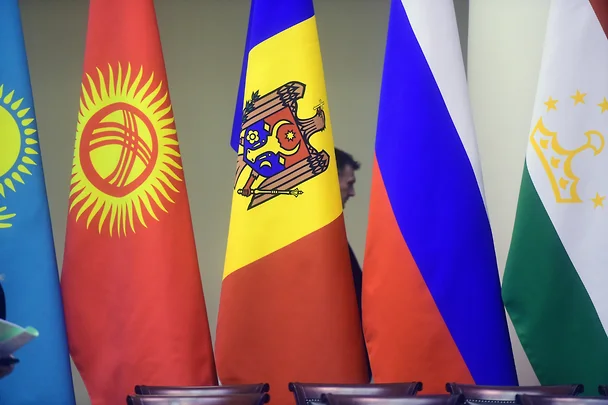
Moldova exits CIS Russia bloc 2026 following a decisive parliamentary vote to withdraw from the Commonwealth of Independent States, marking a significant geopolitical shift toward closer ties with Europe.
Moldova exits CIS Russia bloc 2026 after parliamentary approval
Moldova exits CIS Russia bloc 2026 after lawmakers gave final approval in a second reading to denounce key agreements binding the country to the Russia-led organization.
A total of 60 members of parliament voted in favor of withdrawing from the bloc, signaling broad political backing for the move. The legislation covers:
- The CIS founding agreement
- Its operational protocol
- The official charter
This step formally begins Moldova’s legal process of disengaging from the organization.
Parliament approves withdrawal from CIS
The decision follows an earlier vote held on March 20, where lawmakers initially backed the proposal. The second reading confirms the government’s commitment to proceed with the exit.
The legislation now awaits presidential approval before the withdrawal process becomes official under international procedures.
Legislative process and timeline
Even after approval, Moldova exits CIS Russia bloc 2026 will not take immediate effect.
Key steps include:
- Presidential endorsement of the law
- Formal notification to the CIS Executive Committee
- A mandatory 12-month waiting period before full withdrawal
This structured timeline ensures compliance with international agreements governing the organization.
European integration drives Moldova exits CIS Russia bloc 2026
Moldova exits CIS Russia bloc 2026 is widely seen as part of the country’s broader strategy to align more closely with the European Union.
The government described the move as a “natural and inevitable step” toward European integration, reflecting a long-term policy direction.
Government strategy behind Moldova exits CIS Russia bloc 2026
Under President Maia Sandu and her Party of Action and Solidarity, Moldova has pursued reforms aimed at strengthening democratic institutions and improving ties with European partners.
This includes:
- Expanding cooperation with EU institutions
- Implementing governance reforms
- Reducing dependence on Russian-led structures
These efforts have accelerated since regional tensions increased in recent years.
EU membership ambitions linked to Moldova exits CIS Russia bloc 2026
The decision also reflects Moldova’s long-term ambition to join the European Union.
While full membership remains a complex and lengthy process, steps such as exiting the CIS are viewed as aligning Moldova’s policies more closely with European standards and expectations.

What the CIS represents in Moldova exits CIS Russia bloc 2026
The Commonwealth of Independent States was created after the collapse of the Soviet Union to maintain economic and political cooperation among former Soviet republics.
Moldova exits CIS Russia bloc 2026 signals a clear departure from this post-Soviet framework.
Role of the CIS in regional cooperation
The CIS has historically provided a platform for:
- Trade coordination among member states
- Diplomatic engagement
- Regional policy discussions
However, its influence has declined over time as member states pursued independent foreign policies.
Countries that have left the CIS
Moldova is not the first country to distance itself from the organization. Others include:
- Ukraine, which withdrew after rising tensions with Russia
- Georgia, which left following conflict in 2008
These precedents highlight a broader trend of countries reassessing their participation in the bloc.
Security concerns behind Moldova’s decision
Security considerations have played a key role in Moldova’s decision to exit the CIS.
The Moldovan Foreign Ministry cited actions by Russia as a major factor behind the move.
Regional tensions and Moldova exits CIS Russia bloc 2026
Officials argued that Russia’s involvement in conflicts across the region has undermined the principles on which the CIS was founded.
These concerns include:
- Ongoing military conflict in Ukraine
- Tensions involving Georgia
- The presence of Russian troops in Moldovan territory
Such developments have raised questions about the effectiveness and relevance of the CIS framework.
Transnistria issue in Moldova exits CIS Russia bloc 2026
A major point of concern is the region of Transnistria, where Russian forces have remained stationed since a conflict in the 1990s.
This unresolved situation continues to impact Moldova’s sovereignty and security calculations, contributing to the decision to exit the CIS.
Political and economic implications of Moldova exits CIS Russia bloc 2026
Moldova exits CIS Russia bloc 2026 is expected to have both political and economic consequences.
Political impact of Moldova exits CIS Russia bloc 2026
Politically, the move reinforces Moldova’s alignment with Western institutions and signals a shift away from Russian influence.
It also reflects domestic political priorities focused on:
- Democratic governance
- Institutional reforms
- International partnerships
Economic considerations of Moldova exits CIS Russia bloc 2026
Economically, the transition may require adjustments in trade relationships previously managed under CIS agreements.
Potential impacts include:
- Revising trade policies
- Expanding partnerships with EU markets
- Adapting to new regulatory frameworks
While challenges may arise, the government appears committed to pursuing long-term integration with European economies.
Future outlook after Moldova exits CIS Russia bloc 2026
The Moldova exits CIS Russia bloc 2026 decision marks a turning point in the country’s foreign policy direction.
In the coming months, attention will focus on:
- Completion of the legal withdrawal process
- Continued EU engagement
- Management of regional security issues
The outcome of these efforts will shape Moldova’s geopolitical position in the years ahead.
FAQ Section
Why did Moldova exits CIS Russia bloc 2026?
Moldova exits CIS Russia bloc 2026 to strengthen its alignment with the European Union and reduce ties with Russia amid regional security concerns.
When will Moldova exits CIS Russia bloc 2026 take effect?
The withdrawal will take effect 12 months after Moldova submits formal notification to the CIS Executive Committee.
What is the CIS organization Moldova exits CIS Russia bloc 2026 from?
The CIS is a post-Soviet organization created to maintain cooperation among former Soviet states in economic and political areas.
How does Moldova exits CIS Russia bloc 2026 affect EU membership plans?
The move supports Moldova’s long-term goal of joining the European Union by aligning its policies with European standards.
Conclusion
Moldova exits CIS Russia bloc 2026 represents a significant shift in the country’s geopolitical alignment. By moving away from a Russia-led framework and strengthening ties with Europe, Moldova is redefining its strategic direction while navigating complex political, economic, and security challenges.
PLEASE CLICK HERE FOR MORE NEWS