


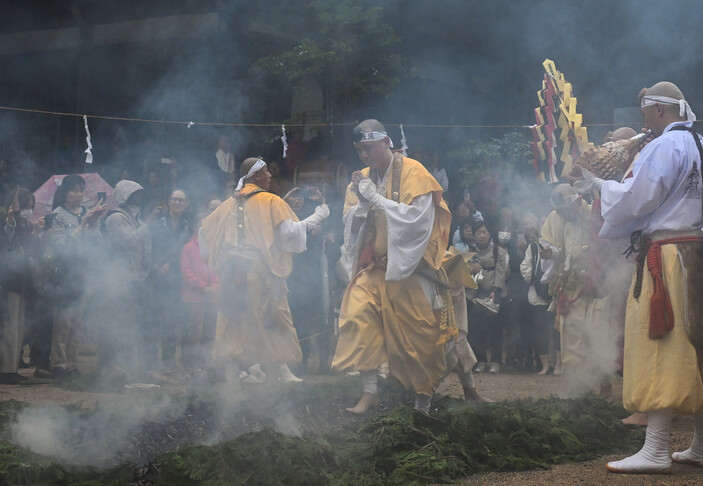
Miyajima Island temple fire has drawn global attention after a sacred Buddhist hall known as Reikado Hall was destroyed in a fire at one of Japan’s most historic temple complexes. The incident affected a site deeply connected to centuries of religious tradition and cultural heritage.
The fire occurred at the Daishoin Temple complex on Miyajima Island in western Japan, a location widely known for its spiritual significance and connection to the Buddhist monk Kukai. Authorities confirmed that no injuries were reported, but parts of the surrounding forest were also affected.
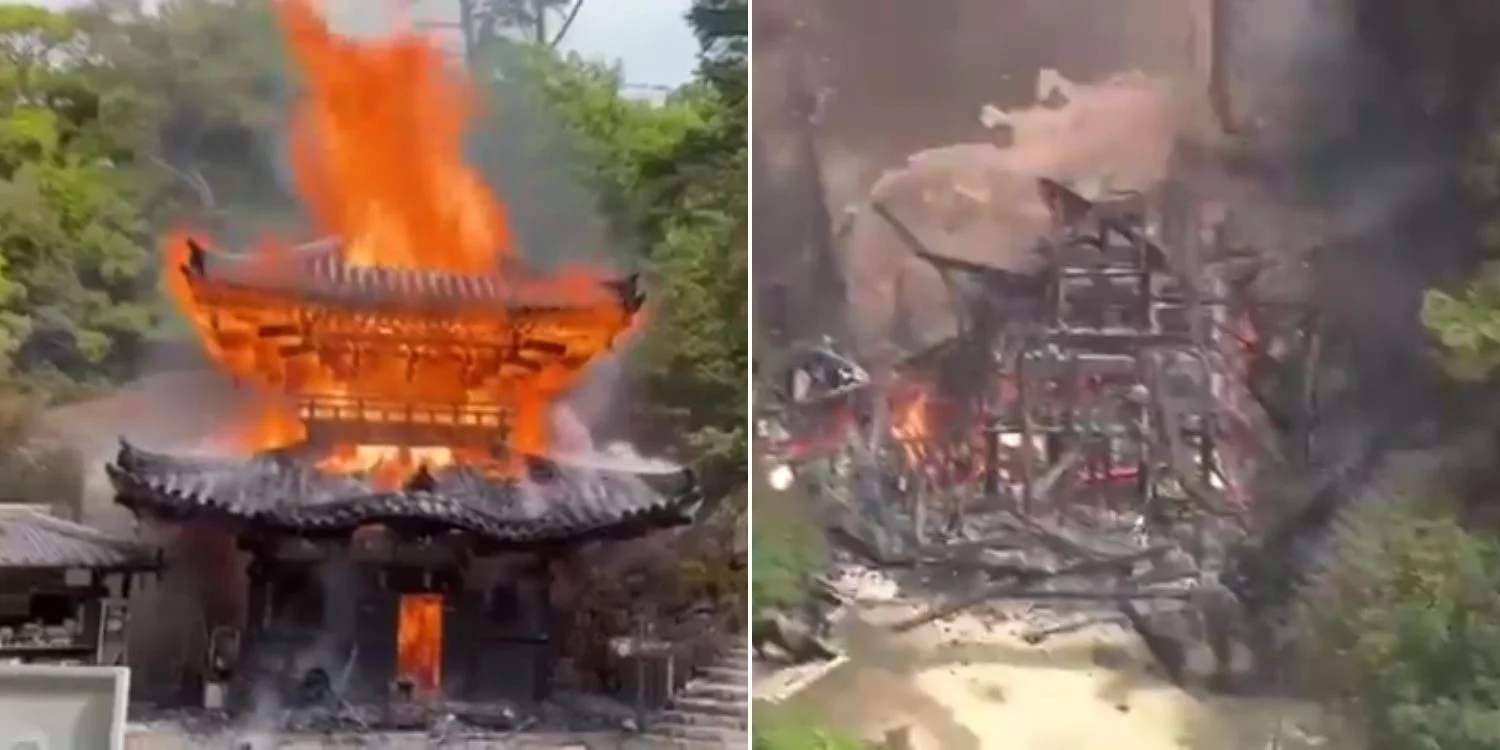

Fire Breaks Out at Historic Reikado Hall
The Miyajima Island temple fire began early on Wednesday, prompting emergency response teams to rush to the scene after reports of flames rising from the Reikado Hall structure.
Emergency Response and Initial Reports
Firefighters received distress calls in the early hours of the day and arrived to find the building already heavily engulfed.
Key details include:
- Fire reported at Reikado Hall within Daishoin Temple
- Rapid spread of flames to nearby woodland
- Emergency crews deployed immediately
Containment Efforts and Fire Spread
While firefighters worked to control the blaze, the fire spread toward vegetation around Mount Misen.
Authorities confirmed:
- No casualties or injuries were recorded
- Nearby forest areas were partially affected
- Efforts were made to prevent further spread
Historical Importance of Reikado Hall
Reikado Hall was not just a physical structure but a deeply symbolic religious site tied to centuries of Buddhist tradition.
Connection to Buddhist Monk Kukai
The hall is associated with Kukai, also known as Kobo Daishi, one of the most influential figures in Japanese Buddhism.
Historical significance includes:
- Founded teachings of Shingon Buddhism
- Linked to religious rituals performed at the site
- Revered as a spiritual figure in Japan
The “Eternal Flame” Tradition
One of the most important features of Reikado Hall was the “eternal flame.”
What the Eternal Flame Represents
- Said to have been burning for nearly 1,200 years
- Believed to have been lit by Kukai during a ritual
- Maintained continuously by temple caretakers
Cultural and Religious Value
The flame symbolized:
- Spiritual continuity
- Buddhist devotion
- Preservation of ancient rituals
The loss of the hall in the Miyajima Island temple fire has raised concerns about the preservation of this historic tradition.
Daishoin Temple and Its Religious Significance
Reikado Hall is part of the larger Daishoin Temple complex, one of the most respected Buddhist sites in Japan.
Overview of Daishoin Temple
Daishoin Temple belongs to the Omuro School of Shingon Buddhism, a sect founded by Kukai in 806.
Key features include:
- Long-standing religious heritage
- Important pilgrimage destination
- Rich cultural and architectural history
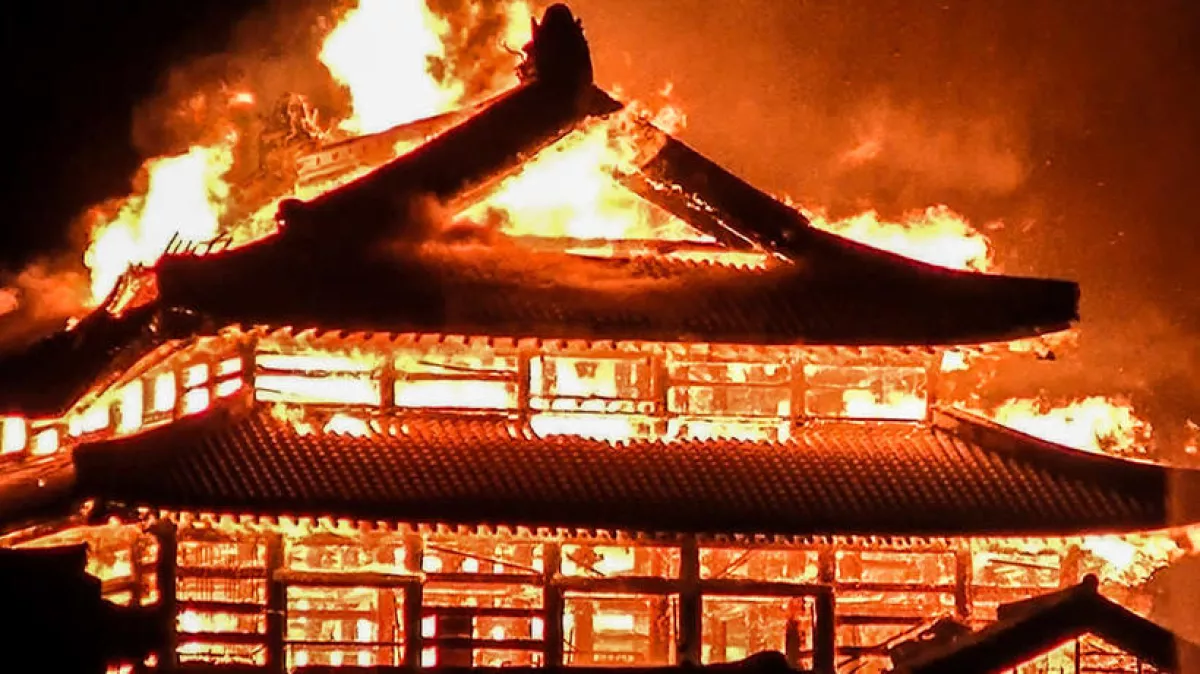

Role in Japanese Buddhism
The temple plays a major role in:
- Religious ceremonies and rituals
- Buddhist education and training
- Cultural preservation of ancient practices
Investigation Into Fire Cause
Authorities have launched an investigation into what caused the Miyajima Island temple fire.
Early Findings and Response
At this stage:
- Cause of fire remains unknown
- Investigations are ongoing
- Officials are examining structural and environmental factors
Safety and Preservation Concerns
The incident has raised questions about:
- Fire safety in heritage sites
- Protection of wooden historical structures
- Disaster preparedness in cultural landmarks
Impact on Miyajima Island’s Cultural Heritage
Miyajima Island is known for its spiritual landmarks and scenic beauty, attracting visitors from around the world.
Cultural Importance of the Island
The island is recognized for:
- Religious shrines and temples
- UNESCO-associated cultural significance
- Natural landscapes around Mount Misen
Effects of the Fire Incident
The destruction of Reikado Hall in the Miyajima Island temple fire represents:
- Loss of a centuries-old religious structure
- Damage to cultural heritage continuity
- Emotional impact on Buddhist communities
Broader Concerns Over Heritage Protection in Japan
Japan has many historic wooden structures that are vulnerable to fire and natural disasters.
Challenges Facing Preservation Efforts
Authorities and cultural agencies often deal with:
- Aging wooden architecture
- Fire risk in sacred sites
- Climate-related environmental threats
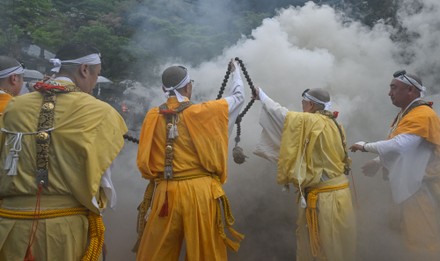

Importance of Preventive Measures
Experts emphasize:
- Improved fire detection systems
- Enhanced preservation funding
- Regular safety inspections of heritage sites
FAQ
What caused the Miyajima Island temple fire?
The cause of the fire is currently under investigation by local authorities.
What was Reikado Hall known for?
Reikado Hall was famous for housing the “eternal flame,” believed to have burned for nearly 1,200 years.
Was anyone injured in the Miyajima Island fire?
No injuries or fatalities were reported during the incident.
Why is Daishoin Temple important?
Daishoin Temple is a historic Buddhist site linked to Kukai and Shingon Buddhism traditions.
The Miyajima Island temple fire marks a significant cultural loss, especially due to the destruction of Reikado Hall and its historic eternal flame. While investigations continue, the incident highlights the importance of protecting ancient heritage sites from fire risks
Click here for more news.


