


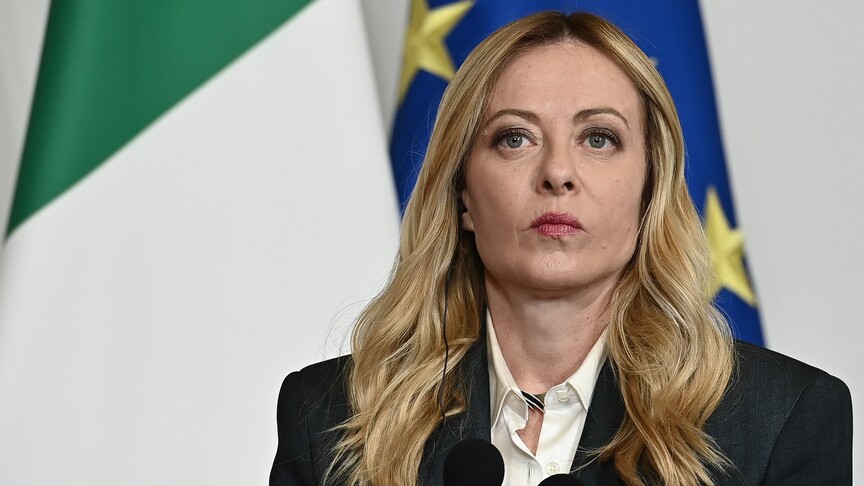
Meloni migrant return hubs Europe discussions moved to the center of political debate after Italian Prime Minister Giorgia Meloni welcomed new backing from European nations for third-country migrant return centers.
Speaking after the adoption of the Chisinau Declaration by the 46 member states of the Council of Europe, Meloni said Europe was increasingly embracing migration policies that were once viewed as controversial.
In a message shared on X on Saturday, the Italian leader described the declaration as an important step toward broader European cooperation on migration management and border control.
According to Meloni, the declaration recognizes the legitimacy of using “innovative solutions” to manage migration flows, including the use of return hubs located in third countries outside the European Union.

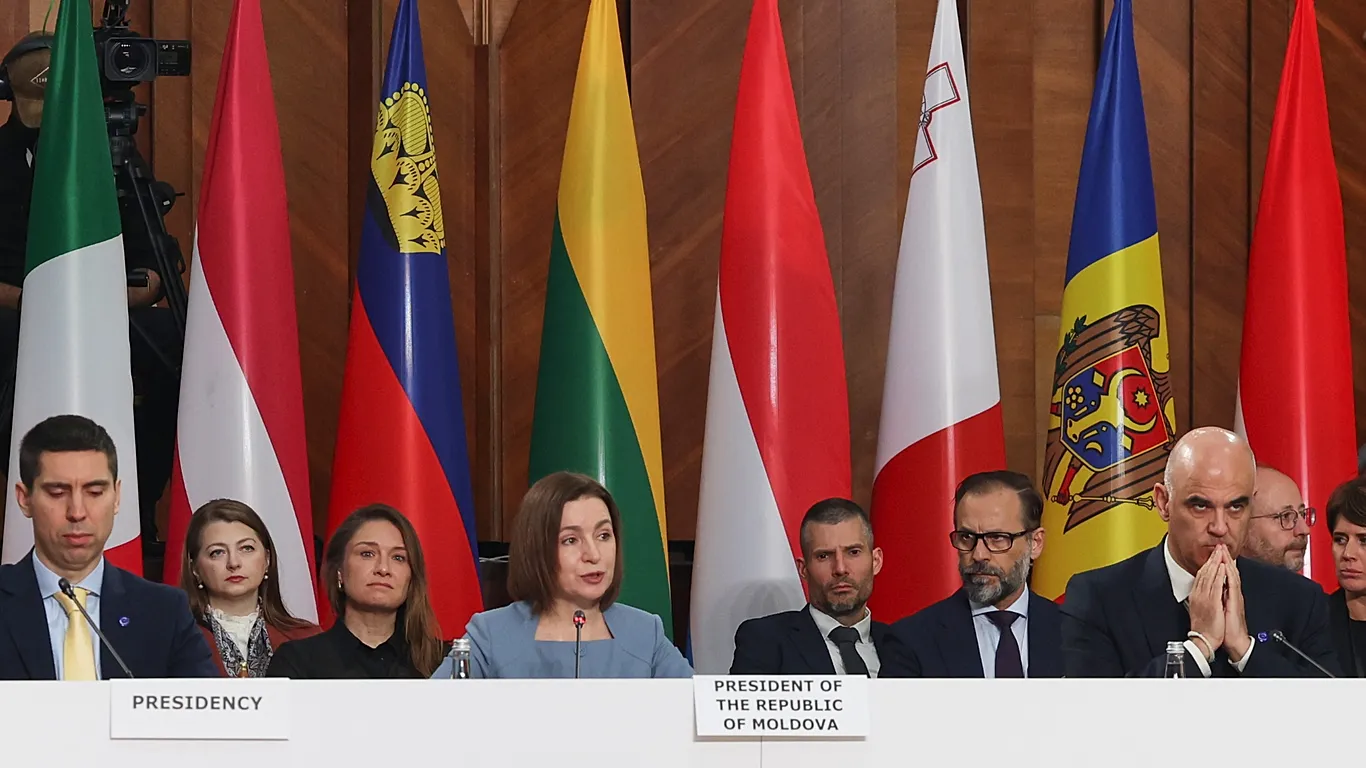
Chisinau Declaration Signals Policy Shift
The Meloni migrant return hubs Europe policy gained renewed attention after the Council of Europe’s latest declaration endorsed the possibility of using third-country return centers.
The declaration was adopted during a meeting in Chisinau, Moldova, where member states discussed migration, regional stability, and security cooperation.
What Are Third-Country Return Hubs?
Third-country return hubs are facilities established outside a migrant’s destination country where individuals can be processed, held temporarily, or returned after failed asylum applications or irregular migration attempts.
Italy’s current model involves cooperation with Albania, where migrant processing centers have become a major part of Rome’s migration strategy.
Supporters argue that these hubs can:
- Reduce pressure on domestic asylum systems
- Discourage irregular migration routes
- Improve border management
- Speed up deportation and return procedures
Critics, however, argue that the approach could raise concerns regarding human rights protections and international asylum obligations.
Meloni Says Europe Now Shares Italy’s Position
Meloni stated that ideas once considered politically divisive are now increasingly accepted across Europe.
She credited Italy and Danish Prime Minister Mette Frederiksen for helping push migration reform discussions to the forefront of European politics.
According to Meloni, the latest declaration demonstrates that the Italian government’s migration approach is becoming more widely supported across Europe.
She said policies that had been controversial only a year earlier are now considered “a shared principle” among Council of Europe member states.
Italy’s Albania Migration Agreement Remains Central
The Meloni migrant return hubs Europe debate largely centers around Italy’s migration agreement with Albania, which has become one of the most closely watched migration policies in Europe.
Italy-Albania Deal Explained
Under the agreement, Italy can process certain migrants rescued in the Mediterranean at facilities located in Albania instead of bringing them directly to Italian territory.
Italian officials have argued that the arrangement helps:
- Reduce overcrowding in Italy
- Improve migration management efficiency
- Deter human trafficking operations
- Accelerate asylum and return procedures
The agreement sparked intense debate across Europe when first introduced, with human rights groups questioning whether such policies comply with international refugee protections.
Despite criticism, the policy has gained attention from other European governments facing increasing migration pressure.
Denmark Also Backed Similar Proposals
Meloni specifically acknowledged Denmark’s role in supporting tougher migration measures.
Danish Prime Minister Mette Frederiksen has long advocated for stricter migration controls and external asylum processing mechanisms.
Denmark has previously explored plans involving asylum processing outside Europe, aligning closely with Italy’s recent proposals.
The growing cooperation between Rome and Copenhagen reflects broader political shifts within Europe regarding migration enforcement and border security.
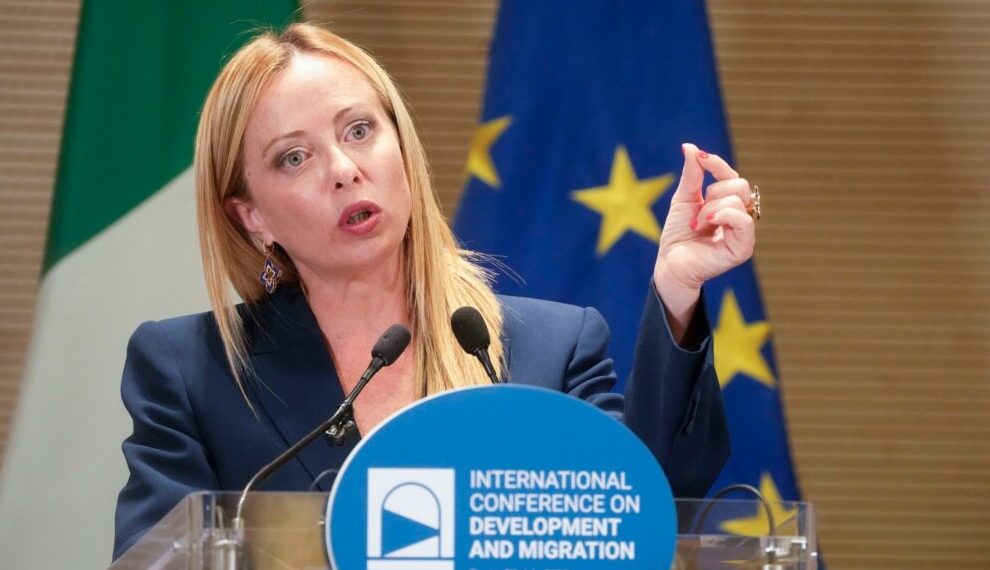

Migration Remains a Key European Political Issue
Migration policy continues to be one of the most divisive and politically sensitive topics across Europe.
The Meloni migrant return hubs Europe initiative comes at a time when several European governments are facing growing pressure over:
- Irregular migration
- Border security
- Asylum system backlogs
- Human trafficking concerns
- Integration challenges
Countries along Europe’s southern borders, including Italy and Greece, have repeatedly called for stronger collective action from European institutions.
Increasing Support for External Processing
In recent years, several European governments have explored ways to process asylum seekers outside EU territory.
Supporters of external processing argue that it can:
- Prevent dangerous sea crossings
- Reduce migrant smuggling
- Lower pressure on national welfare systems
- Strengthen border enforcement
The United Kingdom previously proposed a similar migration arrangement involving Rwanda, though legal and political challenges complicated implementation.
Italy’s Albania model is now being viewed as one of the most significant active examples of third-country migration processing within Europe.
Human Rights Concerns Continue
While the Chisinau Declaration has been welcomed by some European leaders, human rights organizations continue raising concerns about third-country migrant return hubs.
Critics Fear Reduced Migrant Protections
Opponents argue that external processing systems may create legal uncertainty for asylum seekers and potentially weaken access to refugee protections guaranteed under international law.
Human rights advocates have warned about:
- Limited legal oversight
- Conditions inside processing centers
- Delays in asylum reviews
- Restricted access to legal representation
- Risks of unlawful deportation
Several organizations have called for stronger safeguards and transparency in any future migration agreements involving third countries.
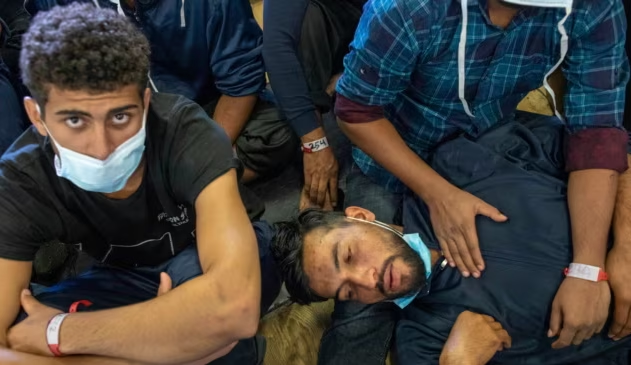

Council of Europe Faces Balancing Challenge
The Council of Europe now faces the challenge of balancing migration control efforts with its long-standing commitment to human rights standards.
Although the Chisinau Declaration supports innovative migration management tools, legal experts say implementation details will be crucial.
Future policies will likely face scrutiny from:
- Human rights courts
- Refugee advocacy groups
- European lawmakers
- International legal bodies
Meloni’s Government Continues Tough Migration Agenda
Since taking office, Meloni’s government has consistently prioritized stricter migration controls.
The Meloni migrant return hubs Europe strategy forms part of a wider political agenda focused on:
- Border security
- Faster deportation systems
- Anti-smuggling operations
- Maritime migration control
- Cooperation with non-EU countries
Italy remains one of the main entry points for migrants crossing the Mediterranean Sea into Europe.
As migration numbers fluctuate, the issue is expected to remain central in European political discussions ahead of future elections and policy negotiations.
European Migration Debate Likely to Intensify
The latest developments suggest Europe’s migration debate is entering a new phase.
Growing support for external processing centers indicates that more governments may consider third-country agreements as part of future migration strategies.
At the same time, legal, humanitarian, and political debates surrounding these policies are expected to intensify.
The Chisinau Declaration could become an important reference point in shaping future European migration policies over the coming years.
FAQ
What are migrant return hubs in Europe?
Migrant return hubs are centers located in third countries where migrants can be processed or returned after irregular entry or failed asylum applications.
Why is Giorgia Meloni supporting return hubs?
Meloni says the hubs help manage migration flows more effectively, reduce pressure on European asylum systems, and combat human trafficking.
Which country is working with Italy on migrant return hubs?
Italy has partnered with Albania to establish migrant processing facilities outside European Union territory.
Why are critics concerned about third-country migrant hubs?
Critics argue the policy could weaken asylum protections, reduce legal oversight, and create human rights concerns for migrants.
The Meloni migrant return hubs Europe discussion highlights the growing shift in European migration policy toward stricter border management and external processing solutions. While supporters see the approach as necessary for managing irregular migration, concerns over human rights and legal protections are likely to remain central to the debate.
PLEASE CLICK HERE FOR MORE NEWS


