


Mediterranean migrant deaths early 2026 have reached alarming levels, with new data showing a sharp increase in fatalities despite a decline in the number of people attempting the journey to Europe. The trend highlights growing dangers along one of the world’s most perilous migration routes.
Record Death Toll in Early 2026
Rising Fatalities Despite Fewer Crossings
According to the International Organization for Migration, at least 655 migrants died or went missing in January and February 2026.
This figure represents:
-
More than double the 287 recorded during the same period in 2025
-
The highest early-year death toll on record
The Mediterranean migrant deaths early 2026 crisis underscores the increasing risks faced by migrants attempting the journey.
Underreported Numbers
Experts warn that the real death toll may be significantly higher, as many incidents at sea go unrecorded. This suggests that the Mediterranean migrant deaths early 2026 figures could underestimate the true scale of the crisis.

Key Causes Behind the Surge
Extreme Weather Conditions
Frontex attributed the rise in fatalities to severe weather events, including Cyclone Harry, which struck the region in mid-February.
These conditions:
-
Made sea crossings more dangerous
-
Complicated rescue operations
-
Increased the likelihood of accidents
Smuggling Networks and Unsafe Boats
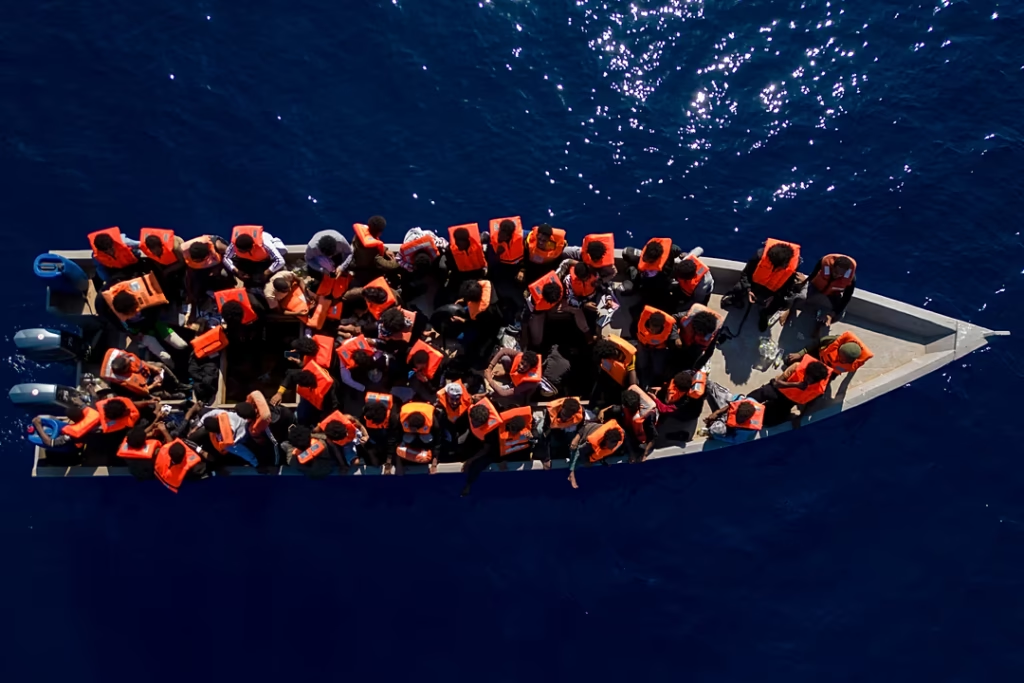
Frontex also pointed to human traffickers who continue to send migrants across the sea in unsafe vessels.
Common risks include:
-
Overcrowded boats
-
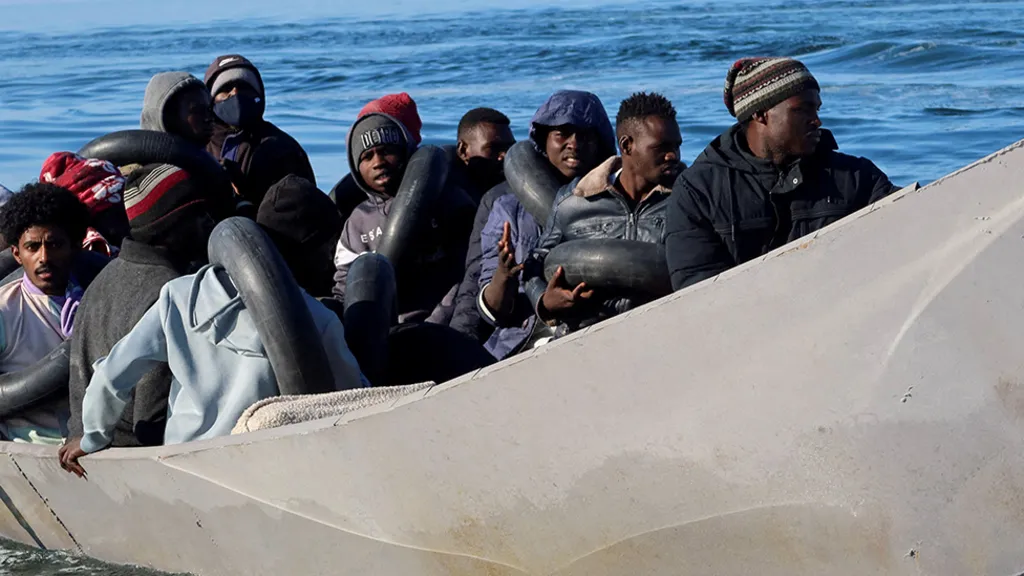
Poor-quality materials
-
Lack of safety equipment
These factors contribute significantly to Mediterranean migrant deaths early 2026.

Impact of Border Policies
Shift to Riskier Routes
Stricter border controls in Europe have altered migration patterns. According to researchers, these policies have forced migrants to take longer and more dangerous sea routes.
Countries such as Italy have agreements with Tunisia and Libya to limit departures.
As a result:
-
Smugglers operate farther from monitored areas
-
Journeys take longer
-
Exposure to harsh weather increases
Closure of Land Routes
The Balkan migration route into Europe has become heavily restricted, leaving the Mediterranean as the primary option for many migrants.
This shift has intensified the Mediterranean migrant deaths early 2026 crisis.
Challenges Facing Rescue Operations
Operational Restrictions
Non-governmental organizations, including Sea-Watch, have raised concerns about obstacles to rescue missions.
Key issues include:
-
Administrative delays
-
Restrictions on docking locations
-
Long-distance port assignments
Rescue ships are sometimes required to travel over 1,000 kilometers to designated ports, limiting their ability to respond to other emergencies.
Legal and Safety Concerns
NGOs argue that these restrictions:
-
Reduce rescue efficiency
-
Increase risks for migrants in distress
-
May conflict with international maritime obligations
These challenges further exacerbate Mediterranean migrant deaths early 2026.
Broader Humanitarian Factors
Limited Legal Migration Pathways
Charities and experts highlight that fewer legal routes into Europe are pushing migrants toward dangerous crossings.
Policy changes in countries like Germany and the United Kingdom have tightened:
-
Family reunification rules
-
Visa access
-
Asylum pathways
Drivers of Migration
Migrants continue to attempt the journey due to:
-
Conflict and instability in home countries
-
Economic hardship
-
Lack of safe alternatives
These underlying factors sustain demand for dangerous sea crossings.
Expert Perspectives
Risk Amplification
Researchers argue that increased enforcement may unintentionally raise risks. By limiting safe routes, migrants are pushed toward more dangerous options.
Data Limitations
Experts also note that official statistics often focus on arrivals rather than departures, meaning:
-
Many deaths are not recorded
-
The true scale of the crisis remains unclear
This reinforces concerns about Mediterranean migrant deaths early 2026 being underestimated.
Key Takeaways
-
Mediterranean migrant deaths early 2026 reached at least 655 in two months
-
Fatalities doubled compared to the same period in 2025
-
Extreme weather and smuggling networks are major factors
-
Border policies are pushing migrants to riskier routes
-
Rescue operations face increasing restrictions
FAQ
Q1: How many migrants died in early 2026 in the Mediterranean?
A1: At least 655 migrants were reported dead or missing in January and February 2026.
Q2: Why are deaths increasing despite fewer crossings?
A2: Factors include extreme weather, riskier routes, and unsafe boats used by smugglers.
Q3: What role do border policies play?
A3: Stricter controls have pushed migrants toward longer and more dangerous sea routes.
Q4: Are the reported numbers accurate?
A4: Experts believe the actual number of deaths is likely higher due to underreporting.
Conclusion
The Mediterranean migrant deaths early 2026 crisis highlights a growing humanitarian challenge shaped by environmental, political, and economic factors. While crossing attempts may be declining, the risks have intensified, leading to higher fatality rates. Addressing this issue will require coordinated international efforts focused on safety, legal pathways, and effective rescue operations.
PLEASE CLICK HERE FOR MORE NEWS


