


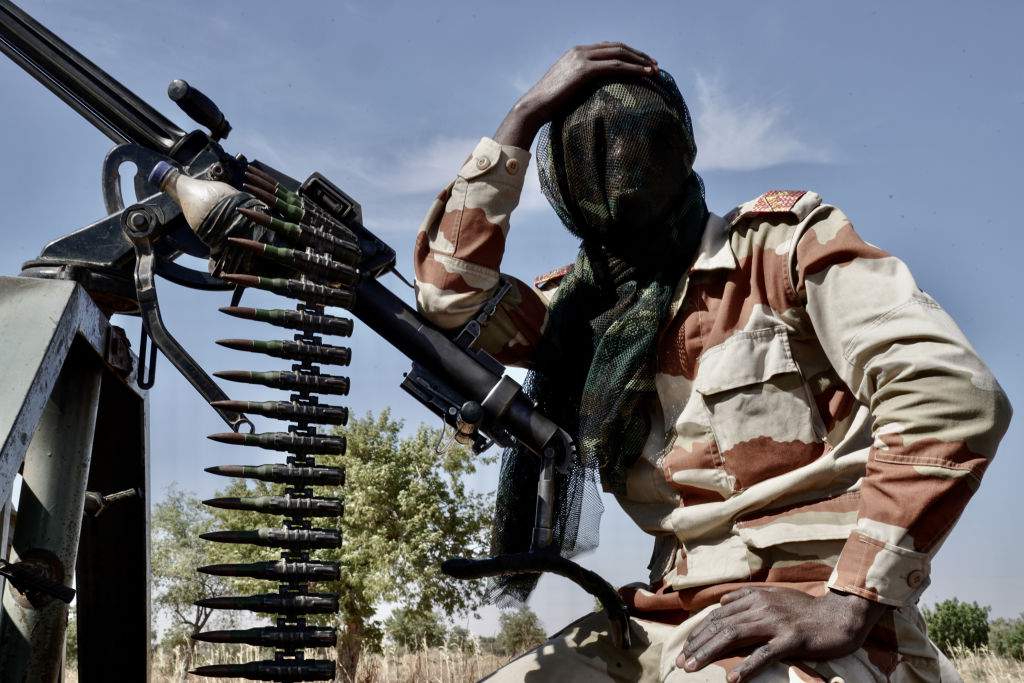
Mali military junta attacks have intensified following coordinated offensives launched by jihadist groups and Tuareg separatists across several parts of the country. The recent wave of violence and the ongoing Mali military junta attacks have raised fresh concerns about the stability of the military-led government that seized power through coups in 2020 and 2021.
The attacks targeted both strategic northern areas and locations closer to the capital, Bamako, exposing vulnerabilities in the ruling junta’s security structure. Analysts say the scale and coordination of the operations mark a major escalation in Mali’s long-running security crisis.
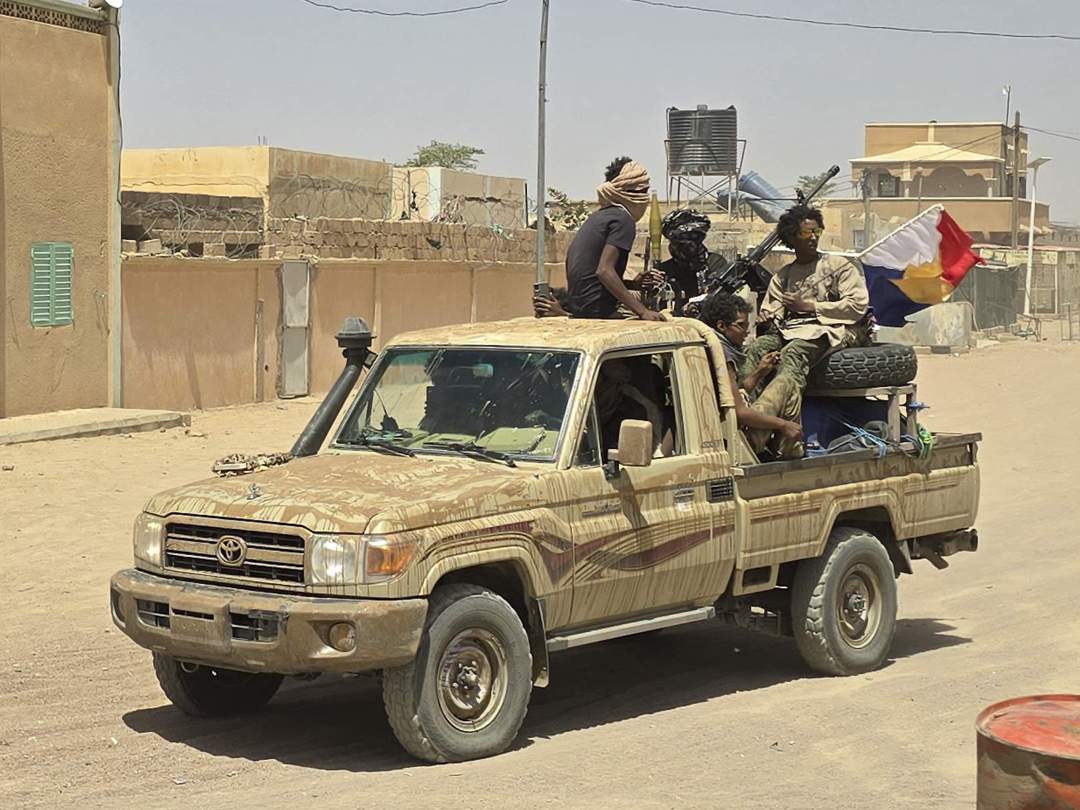

Coordinated Assaults Shake Mali’s Military Leadership
The latest attacks were reportedly carried out by jihadist fighters linked to Jama’at Nasr al-Islam wal Muslimin (JNIM) alongside separatist Tuareg forces from the Front for the Liberation of Azawad (FLA).
The groups, despite having different long-term objectives, temporarily aligned against the military government. Their coordinated operations represented one of the most serious challenges faced by Mali’s leadership since taking power.
The Mali military junta attacks have created an environment where fear and distrust are spreading among the population.
Several regions across the country experienced attacks almost simultaneously, including areas close to Bamako. Reports also indicated that high-profile military officials were affected during the violence.
Bamako Feels Growing Security Pressure
For years, insecurity in Mali was largely concentrated in the north and central regions. However, recent developments suggest that armed groups are increasingly capable of extending operations toward the capital.
Security analysts believe this creates a dangerous psychological effect on the population because attacks are no longer seen as distant rural conflicts.
The military government initially justified its takeover by promising to restore order and defeat insurgent groups. The latest Mali military junta attacks now raise questions about whether those promises can still be fulfilled.
The most recent Mali military junta attacks raise questions about whether those promises can still be fulfilled in light of the escalating violence.
Strategic Importance of Northern Mali
Northern Mali remains central to the ongoing conflict. The region has long been contested by separatist groups seeking autonomy and jihadist factions pursuing broader ideological goals.
One major symbolic setback for the junta was the loss of influence in Kidal, a northern city considered highly significant both politically and strategically.
Kidal has historically been associated with Tuareg separatist movements, and its control has often represented broader power dynamics within Mali.
JNIM and Tuareg Forces Share Temporary Interests
Although jihadist and separatist groups have collaborated in previous conflicts, experts say their ultimate goals remain fundamentally different.
JNIM seeks to establish Islamic governance and expand jihadist influence across the Sahel region. In contrast, Tuareg separatists aim for political autonomy or independence for northern Mali.
Why the Alliance Could Be Fragile
Security experts believe the partnership between the two groups may only last as long as their shared opposition to the military government remains beneficial.
Once territorial control and governance become priorities, ideological and political tensions could emerge between them.
Nationalist ambitions from separatist groups may eventually clash with the transnational goals pursued by jihadist organizations.
Local Support and Governance Strategies
In some areas under jihadist influence, armed groups have reportedly established local governance systems based on interpretations of Sharia law.
Analysts note that some communities accept these systems because they provide a degree of order in regions where state authority has weakened significantly.
However, critics warn that such arrangements often limit freedoms and increase long-term instability.
Russian-Backed Forces Face Mounting Challenges
The military junta previously distanced itself from France and other Western partners while strengthening ties with Russia.
The military junta’s response to the Mali military junta attacks has included an increased focus on foreign alliances.
French military forces officially withdrew from Mali in 2022 after years of anti-terrorism operations in the region. The junta later welcomed Russian-linked Wagner personnel and, eventually, troops associated with the Africa Corps.
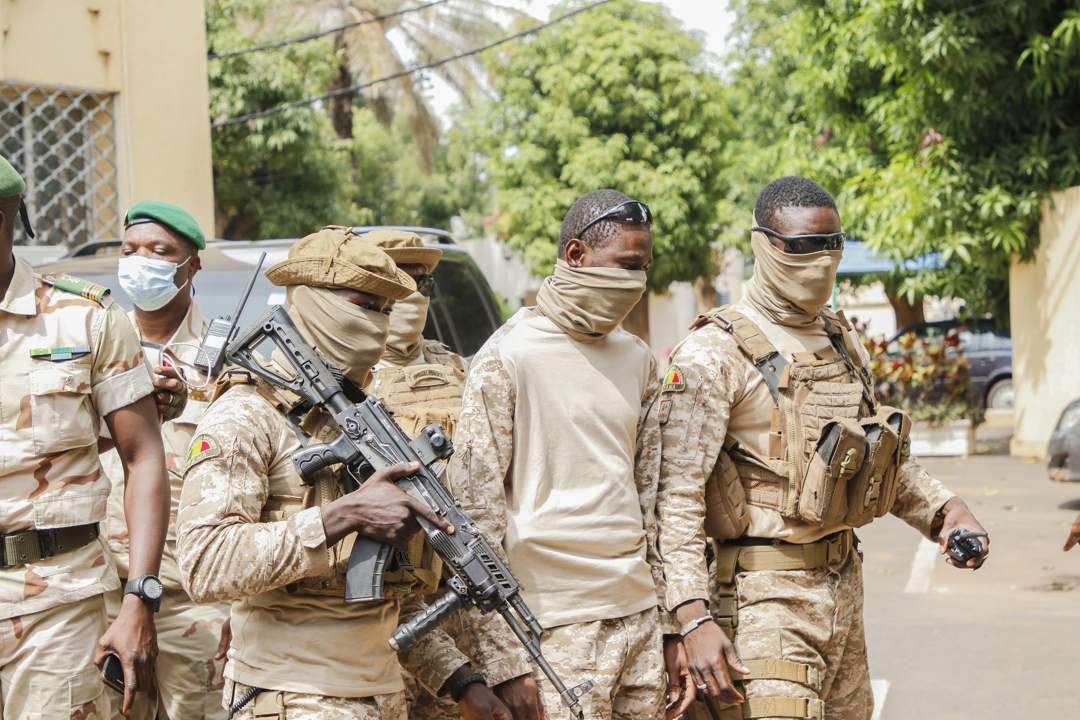

Shift Away From France
The junta argued that French operations failed to restore lasting security and limited Mali’s sovereignty over military decisions.
By working with Russian forces instead, Mali’s leadership claimed it could exercise greater control over operations within the country.
Russian-backed forces later assisted Malian troops in regaining territory in the north, including Kidal at one stage.
Russia’s Expanding Role in the Sahel
Russia has steadily expanded its influence across West Africa, particularly in countries experiencing military takeovers and growing anti-Western sentiment.
Mali, Burkina Faso, and Niger have all strengthened security cooperation with Moscow in recent years.
These countries later formed the Alliance of Sahel States (AES), a regional bloc focused on military and political cooperation.
Despite this partnership, the recent Mali military junta attacks suggest that security improvements remain fragile.
Regional Security Crisis Continues to Worsen
International reactions to the Mali military junta attacks are increasingly calling for a reassessment of security strategies in the region.
The Sahel region remains one of the world’s most unstable conflict zones. Armed groups linked to al-Qaeda and the Islamic State continue to operate across borders, taking advantage of weak governance and political instability.
The continuing Mali military junta attacks illustrate the urgent need for cohesive regional responses to security threats.
Mali has faced repeated insurgencies, ethnic tensions, and military coups over the past decade.
Impact on Civilians
The impact of the Mali military junta attacks has led to international discussions on humanitarian aid and support for displaced civilians.
Civilians remain heavily affected by the ongoing violence. Thousands of people have been displaced from their homes due to fighting in northern and central Mali.
Communities in contested regions often face food shortages, limited healthcare access, and disrupted education services.
Human rights organizations have also raised concerns over abuses committed by both armed groups and military forces.
International Concerns Over Mali Stability
The growing instability in Mali has drawn international attention because of fears that insecurity could spread further across West Africa.
The risks posed by the Mali military junta attacks extend beyond national borders, affecting regional stability.
Neighboring countries continue to monitor developments closely as militant groups expand operations throughout the Sahel corridor.
Diplomatic observers warn that prolonged instability could worsen humanitarian conditions and complicate regional peace efforts.
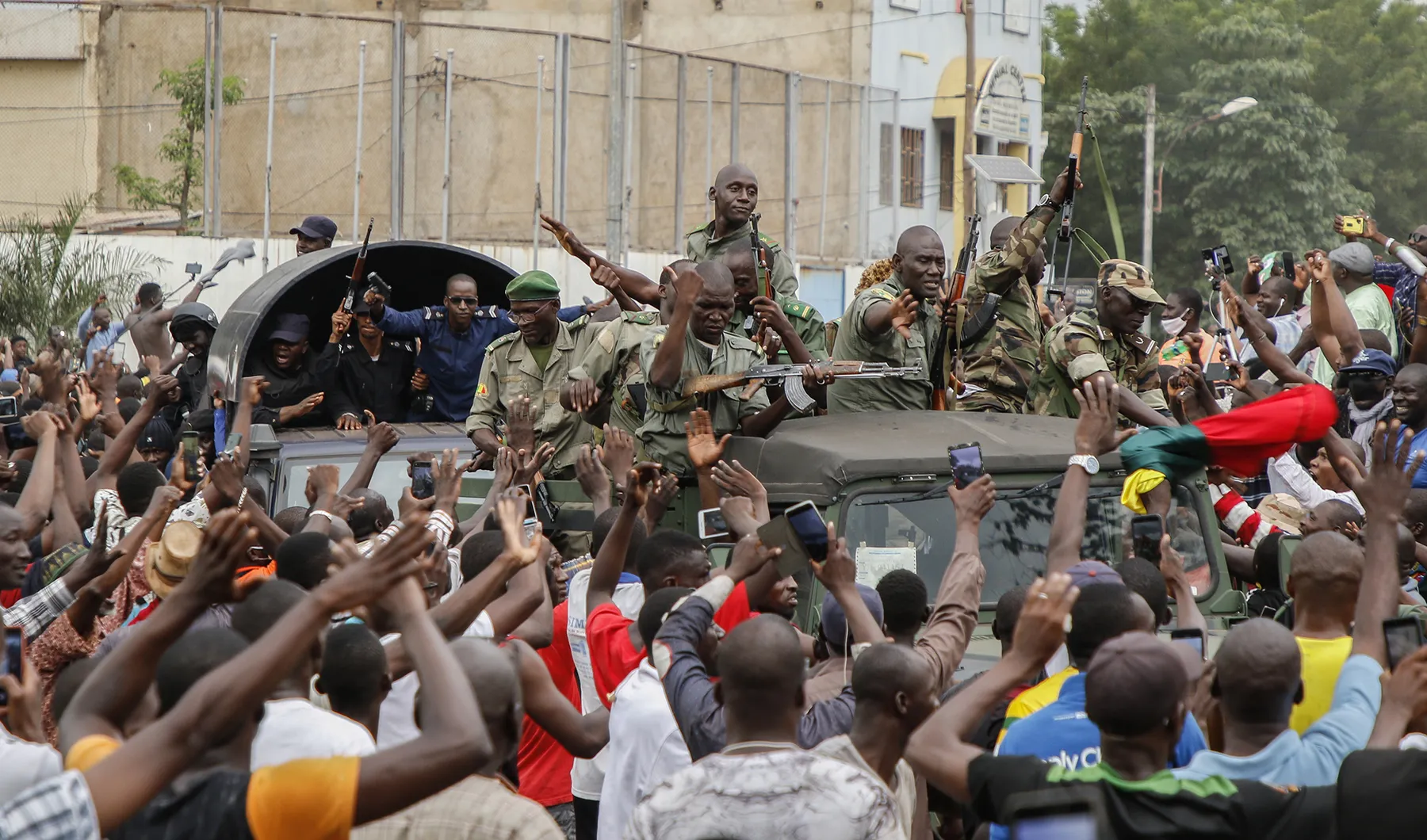

Can the Military Junta Survive the Crisis?
The military leadership in Mali now faces one of its toughest periods since seizing power. The coordinated nature of the attacks has exposed weaknesses in both intelligence gathering and territorial control.
The recent pattern of Mali military junta attacks raises significant concerns about the future of governance in the country.
Some analysts believe the junta could eventually reconsider its international alliances if the security situation deteriorates further.
Possibility of Political Changes
Experts suggest internal political shifts within the military government cannot be ruled out if pressure continues to increase.
There is also speculation that Mali could eventually seek renewed cooperation with European or international partners to stabilize the country.
However, any policy reversal may face resistance from nationalist factions within the ruling structure.
Future of Security in Mali
The future security landscape in Mali remains uncertain. Much will depend on whether the junta can rebuild military momentum and prevent further territorial losses.
The relationship between jihadist groups and separatist forces will also play a major role in determining how the conflict evolves in the coming months.
FAQ
The rise in Mali military junta attacks has prompted questions about the effectiveness of current military strategies.
Why are Mali military junta attacks increasing?
The attacks have increased due to coordinated offensives by jihadist groups and Tuareg separatists seeking to weaken the military-led government.
Who are the main groups involved in the Mali conflict?
The conflict involves Mali’s military government, jihadist organizations such as JNIM, and separatist Tuareg groups including the FLA.
Why is Kidal important in Mali’s conflict?
Kidal is strategically and symbolically important because it has historically been a stronghold for Tuareg separatist movements in northern Mali.
What role does Russia play in Mali?
Russia supports Mali through military cooperation and security assistance, mainly via Russian-linked forces operating in the Sahel region.
As the Mali military junta attacks continue, the role of international partners remains a critical topic of discussion.
The recent escalation in Mali military junta attacks highlights the growing instability facing the country and the wider Sahel region. Coordinated operations by jihadist and separatist groups have exposed serious security challenges for Mali’s military leadership, while regional and international powers continue to monitor the evolving situation closely. The urgency surrounding these Mali military junta attacks cannot be overstated.
PLEASE CLICK HERE FOR MORE NEWS


