


The Malaysia under-16 social media ban marks a significant shift in the country’s approach to digital safety and youth online protection. Malaysia has officially moved to restrict individuals under the age of 16 from signing up for social media platforms as part of broader efforts to strengthen online regulation and protect minors from digital risks.
The policy reflects growing global concern over how young users interact with online platforms and the potential exposure to harmful content, data risks, and digital addiction.
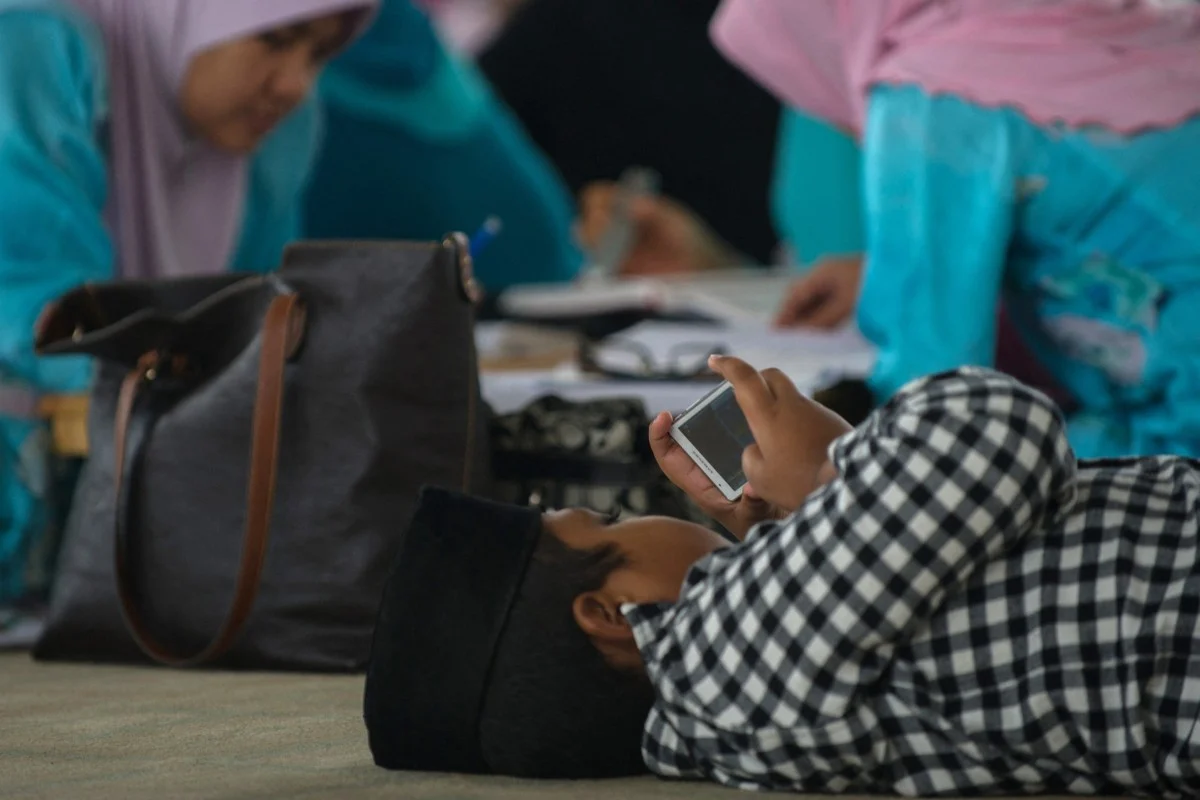

Malaysia Introduces New Social Media Age Restriction Policy
The Malaysian government has implemented a new rule preventing users below the age of 16 from creating social media accounts. The decision is aimed at enhancing online safety standards and ensuring responsible digital engagement among teenagers.
The Malaysia under-16 social media ban is part of a wider effort to regulate internet use among minors and ensure stronger protections in the digital environment.
Why the Policy Was Introduced
Authorities highlighted several concerns behind the decision, including:
- Exposure to inappropriate or harmful content
- Privacy and data protection risks for minors
- Increasing cases of online harassment
- Concerns about excessive screen time among teenagers
Government’s Digital Safety Objectives
The policy aligns with broader digital governance goals such as:
- Strengthening child online protection laws
- Improving platform accountability
- Encouraging responsible internet usage
- Reducing risks linked to social media addiction
How the Malaysia Under-16 Social Media Ban Will Work
The implementation of the Malaysia under-16 social media ban will require cooperation from social media companies operating in the country. Platforms are expected to introduce age verification systems and compliance mechanisms to enforce the restriction.
Age Verification Requirements
Social media platforms may be required to:
- Verify user age during account creation
- Use government-approved identification systems
- Restrict or suspend accounts found to violate age rules
Enforcement Mechanisms
To ensure compliance, authorities may rely on:
- Digital identity verification tools
- Platform reporting systems
- Regulatory audits of social media companies
- Penalties for non-compliance
Impact of the Social Media Ban on Teen Users
The Malaysia under-16 social media ban is expected to have a wide impact on young internet users, families, and educational institutions.
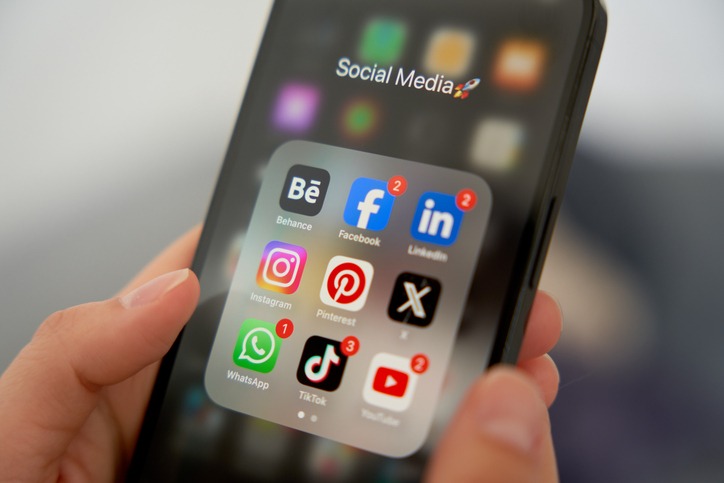

Effects on Teen Digital Access
Under the new policy, teenagers below 16 will face:
- Restricted access to major social media platforms
- Limited ability to create new accounts
- Increased reliance on educational or supervised online tools
Reactions From Parents and Educators
Parents and educators have expressed mixed views:
- Some support increased safety and reduced exposure to online risks
- Others raise concerns about digital literacy and social connectivity
- Educators highlight the need for balanced digital education programs
Global Context of Youth Social Media Restrictions
The Malaysia under-16 social media ban is part of a growing international trend where governments are tightening rules around youth access to digital platforms.
Similar Policies in Other Countries
Several countries have already introduced or considered similar restrictions:
- Age-based social media restrictions in parts of Europe
- Online safety laws focusing on minors in Australia
- Stricter platform accountability rules in the United States
Rising Concerns About Digital Wellbeing
Global discussions around youth and social media often focus on:
- Mental health impacts of online platforms
- Data privacy concerns for children
- Cyberbullying and online safety issues
- Screen time and behavioral effects
Challenges in Enforcing the Social Media Ban
While the Malaysia under-16 social media ban is designed to improve safety, it also presents enforcement challenges.
Key Implementation Issues
Authorities and platforms may face difficulties such as:
- Accurate age verification without privacy violations
- Preventing underage users from bypassing restrictions
- Ensuring consistent enforcement across platforms
Technology and Compliance Gaps
Additional concerns include:
- Variations in platform compliance systems
- Lack of standardized global age verification tools
- Risks of fake identity usage by minors
Role of Social Media Companies in Enforcement
Social media platforms are expected to play a central role in implementing the new regulation.
Platform Responsibilities
Companies may be required to:
- Strengthen identity verification systems
- Update user registration policies
- Monitor underage account activity
- Cooperate with government regulators
Potential Penalties for Non-Compliance
Failure to comply with the Malaysia under-16 social media ban could lead to:
- Regulatory fines
- Operational restrictions
- Legal enforcement actions
- Platform accountability reviews
Long-Term Implications of the Policy
The introduction of the Malaysia under-16 social media ban may influence future digital policy decisions in the region.
Possible Policy Outcomes
Experts suggest potential long-term effects such as:
- Stronger regional digital safety frameworks
- Increased focus on youth cyber protection laws
- Expansion of age-based digital access controls
Balancing Safety and Digital Freedom
Policymakers continue to debate:
- How to protect minors without limiting access to education tools
- The role of parental control versus government regulation
- The impact of restrictions on digital literacy development

FAQ
Why did Malaysia introduce a social media ban for under-16 users?
Malaysia introduced the policy to improve online safety, reduce exposure to harmful content, and protect minors from digital risks.
How will the under-16 social media restriction be enforced?
Enforcement will rely on age verification systems, platform compliance, and government regulatory oversight.
Will existing accounts of under-16 users be affected?
The policy may require review or restriction of accounts that do not meet the minimum age requirement, depending on enforcement rules.
Is Malaysia the only country with such restrictions?
No, several countries are exploring or implementing similar age-based restrictions on social media access for minors.
Conclusion
The Malaysia under-16 social media ban represents a major step in strengthening youth digital protection policies. While the move aims to reduce online risks for minors, it also raises important questions about enforcement, privacy, and digital access. As implementation develops, the policy will likely contribute to broader global discussions on how best to regulate social media use among young users.
Click here for more news


