 0
0
 0
0
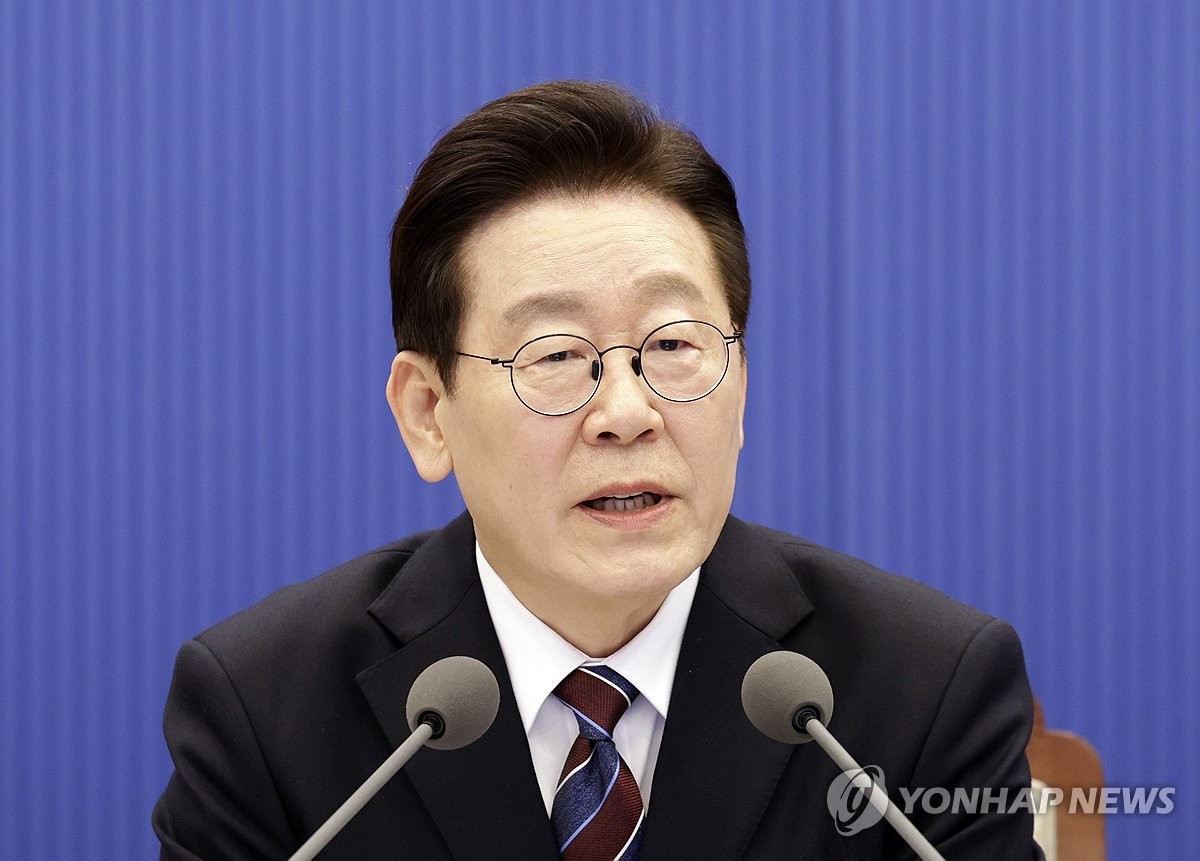
Lee North Korea dialogue efforts remain a central pillar of South Korea’s foreign policy as President Lee Jae Myung reaffirmed his commitment to improving inter Korean relations even after Pyongyang dismissed Seoul’s offer for talks.
Speaking during a meeting with senior aides at Cheong Wa Dae on Thursday, Lee stressed that peace and stability on the Korean Peninsula must remain the guiding principles of his administration. His remarks came a day after North Korea publicly rejected the South’s proposal for dialogue, characterizing it as misleading while signaling potential openness to engagement with the United States.

President Lee calls for end to confrontation
During the meeting, President Lee emphasized the need for a decisive break from policies that have fueled confrontation and military tension between the two Koreas.
He stated that lasting peace requires a shift away from hostility and toward cooperation. According to Lee, the Korean Peninsula has suffered for decades due to cycles of confrontation that have brought the region dangerously close to conflict.
The president also urged senior officials to critically assess whether previous strategies based on pressure and intimidation truly advanced South Korea’s national interests or contributed to long term stability.

Reflection on past approaches to North Korea
Lee called for sober reflection on earlier inter Korean policies, questioning whether actions perceived as humiliating or threatening toward Pyongyang had actually improved security outcomes.
He noted that peace cannot be achieved through rhetoric or force alone, but through sustained efforts to reduce distrust and misunderstanding. Lee’s comments suggest a recalibration of South Korea’s approach, placing emphasis on engagement rather than escalation.
This stance contrasts with periods in the past when relations sharply deteriorated following military standoffs, sanctions disputes, and breakdowns in communication channels.
North Korea rejects Seoul outreach
North Korea’s rejection of the dialogue offer was delivered during the conclusion of its ruling party’s key congress. North Korean leader Kim Jong-un dismissed Seoul’s overture as deceptive, reinforcing Pyongyang’s hardened position toward the South.

However, analysts noted that Kim’s remarks appeared to leave room for talks with Washington, highlighting a familiar pattern in which North Korea prioritizes relations with the United States over engagement with South Korea.
This dynamic has repeatedly complicated Seoul’s efforts to act as a mediator in regional diplomacy.
Sustained communication seen as path to peace
Despite Pyongyang’s rebuff, Lee reiterated that consistent communication remains essential to easing decades of hostility. He stressed that trust building cannot occur overnight but requires patience, dialogue, and cooperation over time.
According to the president, peace and stability can eventually take hold if both sides commit to regular engagement and mutual understanding. He emphasized that maintaining open channels of communication is preferable to allowing silence and suspicion to dominate inter Korean relations.
Lee’s comments underline his belief that dialogue, even when rejected, is a necessary foundation for future progress.
Broader implications for regional stability
The reaffirmation of Lee North Korea dialogue efforts comes amid heightened uncertainty across Northeast Asia, where military tensions and geopolitical rivalries continue to shape security dynamics.
South Korea’s insistence on dialogue reflects concerns that prolonged hostility could undermine regional stability and economic security. Observers note that Seoul’s approach also aims to maintain alignment with international partners while pursuing an independent path toward reconciliation.
While immediate breakthroughs appear unlikely, Lee’s remarks signal that South Korea intends to remain committed to peaceful coexistence rather than reactive confrontation.
Outlook for inter Korean relations
As North Korea deepens its hostile rhetoric toward Seoul, the path forward remains challenging. Still, Lee’s administration appears determined to keep diplomatic doors open, even in the face of rejection.
The president’s emphasis on reflection, trust building, and sustained engagement suggests a long term strategy focused on reducing risks rather than achieving quick political wins.
The developments were reported by Yonhap, South Korea’s national news agency.
PLS CLICK HERE FOR MORE NEWS BLAQLOADED