 0
0
 0
0
Lebanon Israeli strikes ceasefire casualties 2026 have intensified concerns across the Middle East after authorities reported more than 200 deaths and over 1,000 injuries despite an announced ceasefire agreement.
Rising Death Toll Amid Continued Airstrikes
Lebanese officials confirmed that the Lebanon Israeli strikes ceasefire casualties 2026 have reached alarming levels, with at least 203 people killed and around 1,000 others wounded.
Health Ministry Figures and Initial Assessments
According to official statements:
- The death toll surpassed 200 within a short period
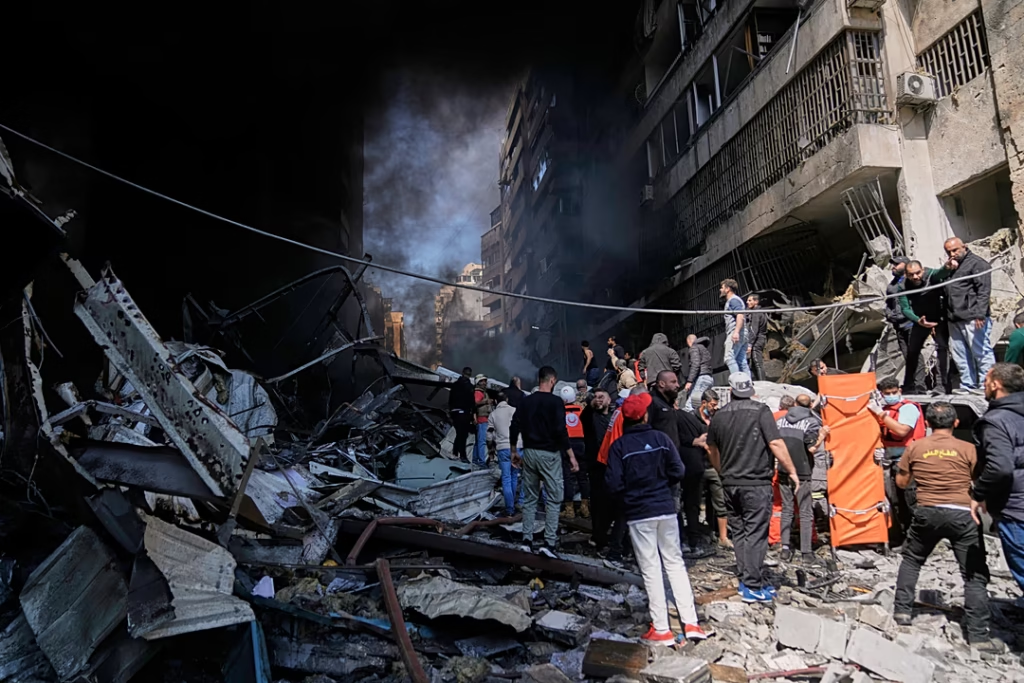
- Hospitals reported overwhelming numbers of injured individuals
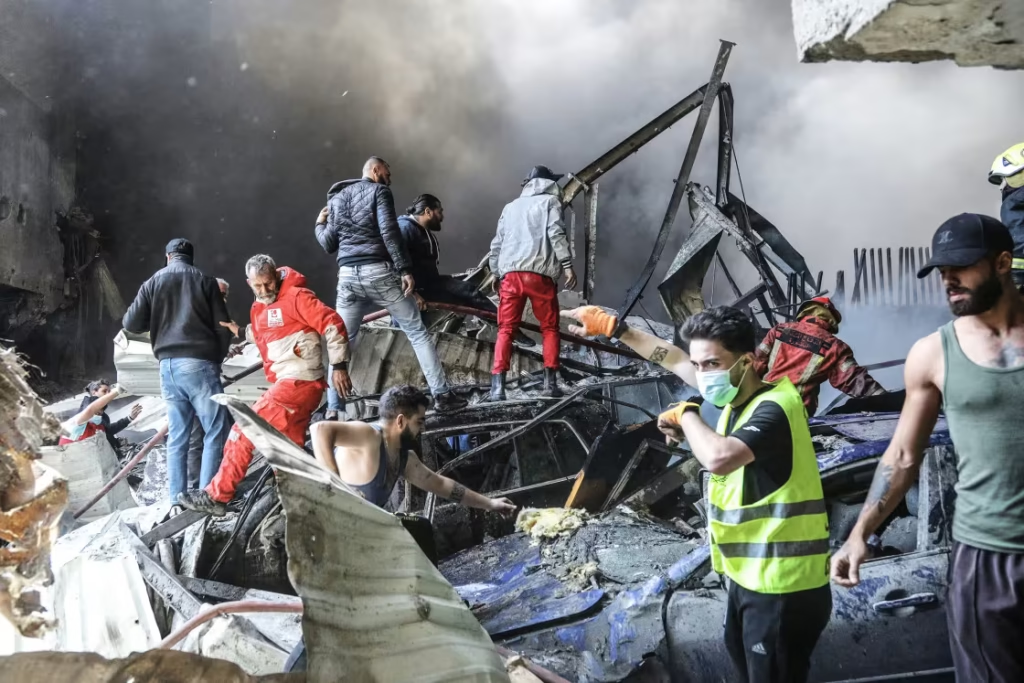
- Emergency services were stretched across multiple regions
The figures were released as part of ongoing assessments following widespread airstrikes.
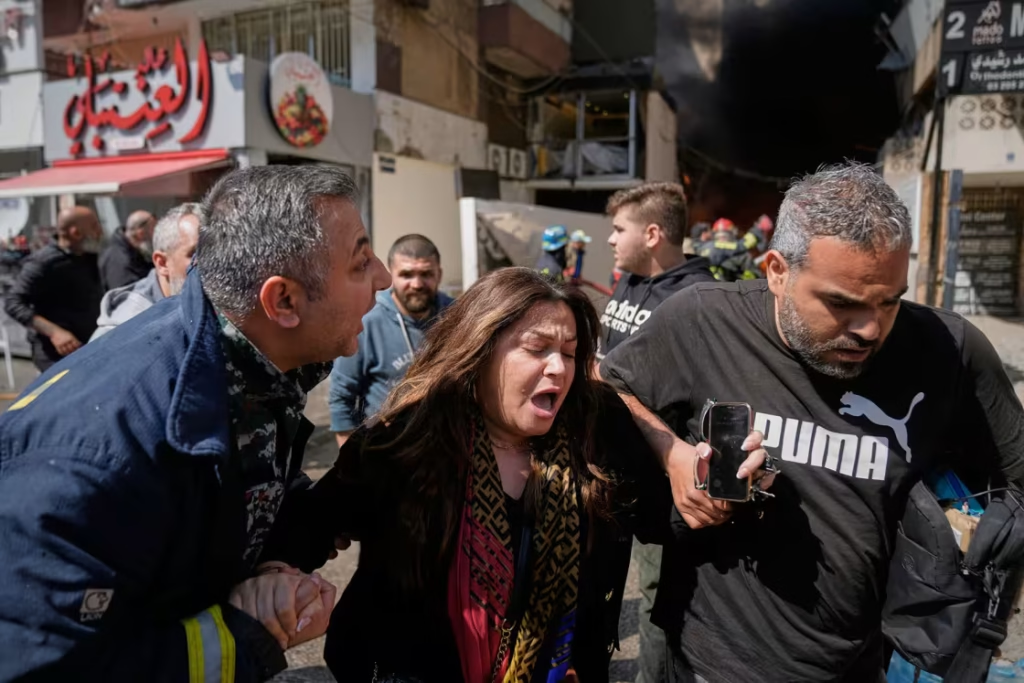
Impact on Civilians and Infrastructure
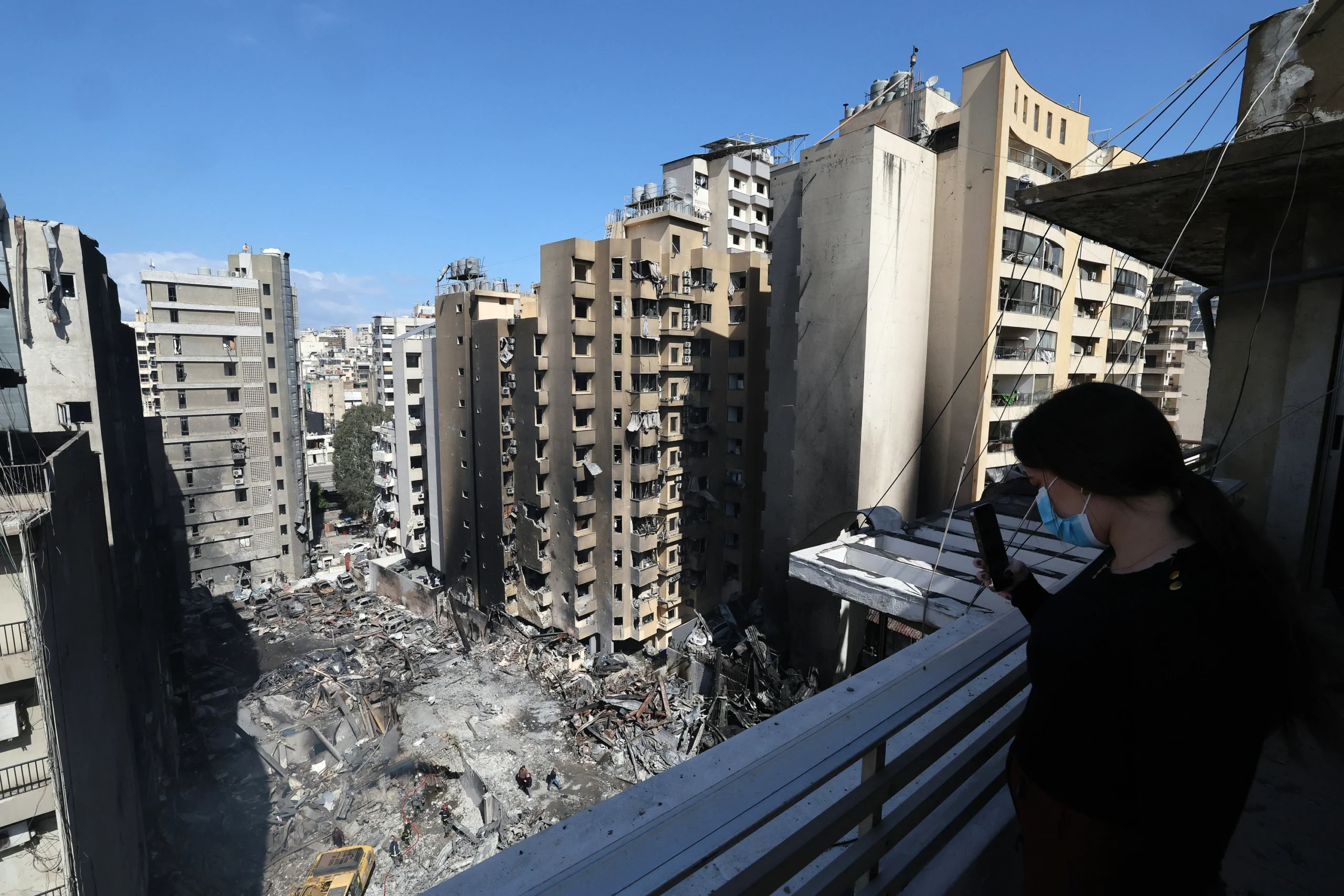
Civilian areas bore the brunt of the attacks, with:
- Residential buildings damaged or destroyed
- Roads blocked by debris
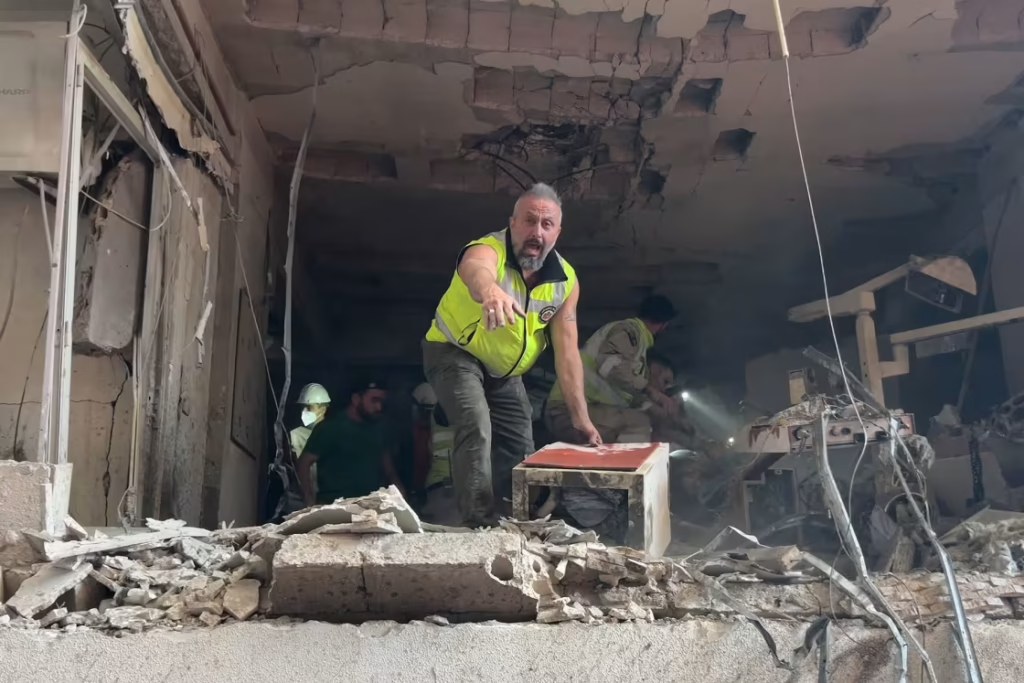
- Emergency teams working continuously to locate survivors
Urban neighborhoods in Beirut experienced some of the most intense destruction.
Airstrikes Continue Despite Ceasefire Agreement
The Lebanon Israeli strikes ceasefire casualties 2026 situation has raised questions about the scope and enforcement of the ceasefire agreement involving the United States and Iran.
Ceasefire Terms and Limitations
The agreement, designed to reduce regional tensions, included:
- A temporary halt to hostilities between major actors
- Diplomatic efforts to stabilize the region
- Conditions tied to broader geopolitical negotiations
However, officials clarified that Lebanon was not explicitly included in the terms.
Israeli Military Position
Israeli authorities stated that:
- Military operations in Lebanon would continue
- Targets included what were described as strategic positions
- The ceasefire did not apply to ongoing operations against Hezbollah
This stance has been a central factor in the continuation of hostilities.
Scale and Coordination of the Strikes
Reports indicated that the Lebanon Israeli strikes ceasefire casualties 2026 were the result of highly coordinated operations.
Simultaneous Targeting Across Regions
Within a short time frame, airstrikes reportedly hit:
- Beirut’s southern suburbs
- The Bekaa Valley in eastern Lebanon
- Southern regions of the country
These areas are known to have a significant presence of Hezbollah.
Intensity of the Operation
Military sources stated that:
- Over 100 locations were targeted
- Strikes occurred within minutes
- The operation aimed at multiple strategic points simultaneously
The scale of the attacks contributed to the high casualty figures.
Key Developments in Leadership Targets
Among the reported outcomes of the Lebanon Israeli strikes ceasefire casualties 2026 was the killing of a senior figure associated with Hezbollah leadership.
Reported Targeted Killing
Statements indicated that:
- A senior aide to Hezbollah leadership was killed
- The strike occurred in Beirut
- The operation was part of a broader targeting strategy
Such developments have added to tensions and uncertainty in the region.
Implications for Conflict Dynamics
Targeted strikes on leadership figures often:
- Escalate retaliatory risks
- Influence strategic decision-making
- Impact ongoing negotiations
These factors may shape future developments in the conflict.
International Reactions and Diplomatic Tensions
The Lebanon Israeli strikes ceasefire casualties 2026 have triggered strong reactions from multiple international actors.
United States Position
Officials in Washington confirmed that:
- Lebanon was not included in the ceasefire agreement
- Diplomatic efforts were ongoing
- The situation remained under close observation
This clarification has been central to understanding the scope of the truce.
Iranian Response
Iranian authorities expressed concern, stating that:
- The continued strikes undermine diplomatic agreements
- There could be consequences for violations
- Accountability remains a key issue
Statements from senior officials suggested potential escalation if hostilities persist.
Lebanon’s Government Response
Lebanon’s leadership faces a complex situation as the Lebanon Israeli strikes ceasefire casualties 2026 continue to rise.
Balancing Security and Sovereignty
The government has:
- Condemned the scale of the airstrikes
- Highlighted the humanitarian impact
- Reaffirmed its position on national sovereignty
At the same time, it has emphasized efforts to maintain internal stability.
Position on Armed Groups
Officials have reiterated:
- The importance of state control over weapons
- The need to manage internal security challenges
- The difficulty of navigating external military pressure
This dual approach reflects ongoing political and security complexities.
Humanitarian Situation Worsens
The Lebanon Israeli strikes ceasefire casualties 2026 have deepened the humanitarian crisis in affected areas.
Strain on Healthcare System
Hospitals are dealing with:
- A surge in emergency cases
- Limited medical supplies
- Overcrowded facilities
Healthcare workers continue to operate under intense pressure.
Displacement and Civilian Hardship
The strikes have also led to:
- Displacement of families
- Loss of homes and livelihoods
- Increased need for humanitarian assistance
Relief efforts are ongoing but face logistical challenges.
Broader Regional Implications
The Lebanon Israeli strikes ceasefire casualties 2026 highlight the fragile nature of ceasefire agreements in complex regional conflicts.
Risk of Escalation
Continued hostilities could:
- Trigger wider regional involvement
- Undermine diplomatic progress
- Increase instability across neighboring countries
Diplomatic Uncertainty
Efforts to maintain dialogue are complicated by:
- Conflicting interpretations of agreements
- Ongoing military actions
- Public skepticism about ceasefire effectiveness
These dynamics continue to shape the evolving situation.
FAQ Section
What are the Lebanon Israeli strikes ceasefire casualties 2026?
They refer to the reported deaths and injuries in Lebanon following Israeli airstrikes despite a ceasefire agreement in the region.
Why did strikes continue despite the ceasefire?
Officials stated that Lebanon was not included in the ceasefire terms, allowing military operations to continue.
How many people were affected by the strikes?
Reports indicate over 200 deaths and more than 1,000 injuries.
What areas in Lebanon were most affected?
Beirut’s southern suburbs, the Bekaa Valley, and southern Lebanon experienced the heaviest strikes.
Conclusion
The Lebanon Israeli strikes ceasefire casualties 2026 underscore the complexity of modern conflict, where ceasefire agreements may not fully halt violence across all fronts. As casualty figures rise and humanitarian concerns deepen, the situation remains fluid, with diplomatic efforts ongoing amid continued military activity. The developments highlight the importance of clear agreements and sustained international engagement to reduce further escalation.
PLEASE CLICK HERE FOR MORE NEWS