 0
0
 0
0
LATAM Boeing 777 Tail Strike in Milan: Investigators Release Full Report
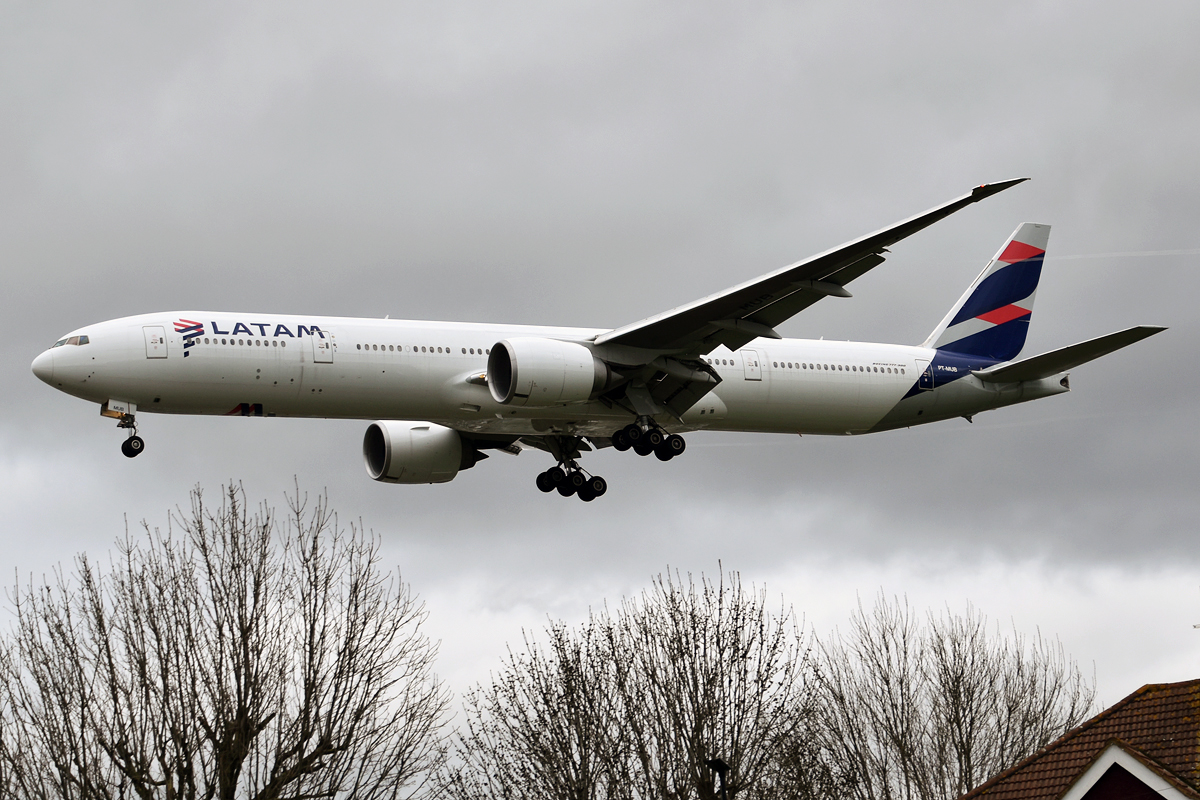
On July 9, 2024, LATAM flight LA8073 experienced one of the most serious Boeing 777 tail-strike events recorded at Milan Malpensa Airport. The ANSV (Italian National Safety Agency) has now released its full report, revealing a combination of human errors, procedural gaps, and system limitations that led to the near-catastrophic incident.
A Routine Departure That Went Wrong
The LATAM 777-300ER (PT-MUG) pushed back from Malpensa shortly after 11:00 UTC with 398 passengers and crew on board. The flight was a standard long-haul service to São Paulo, and the weather conditions were favorable.
However, the crew had a limited pre-flight window. The Line Training Captain (LTC) noted that completing all required tasks in the one-hour turnaround was challenging. The aircraft loadsheet, detailing Zero Fuel Weight (ZFW), Takeoff Weight (TOW), and center of gravity, arrived only 10 minutes before pushback.
The ZFW was correctly entered into the Flight Management Computer (FMC), but a critical error occurred during the takeoff performance calculation using Boeing’s Onboard Performance Tool (OPT) on the crew’s iPad EFBs.
How a 100-Tonne Error Happened
The LTC miscalculated the takeoff weight, announcing 228,800 kg instead of the actual 328,425 kg — 100 tonnes too light. Because this figure was shared verbally, both pilots entered the same incorrect weight into their OPTs, bypassing the intended independent cross-check.
The OPT produced plausible performance data, including V1, VR, and V2 speeds, but these values were far too low for the aircraft’s true weight. The FMC refused to compute speeds, displaying a warning that the crew did not fully understand. Boeing documentation, the report notes, does not clearly explain that erroneous weights can trigger this alert.
The Takeoff Roll: A 12-Second Crisis
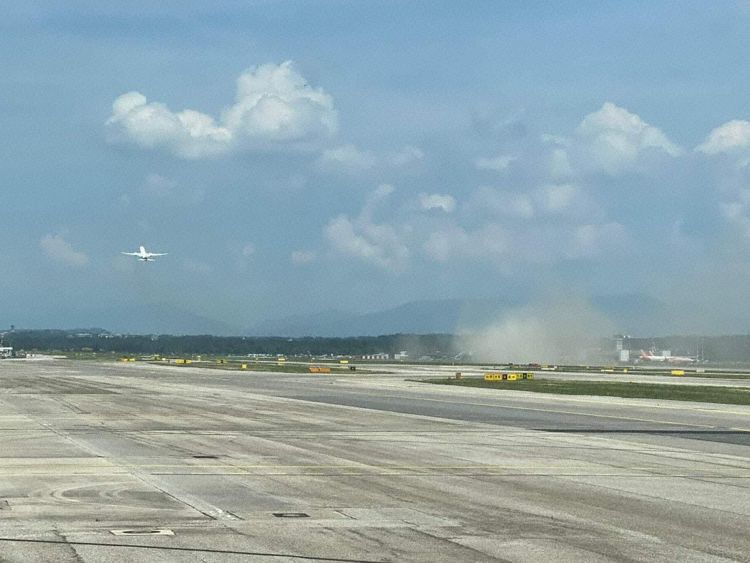
At 11:25:58 UTC, the aircraft began its takeoff roll with reduced thrust. The LTC rotated at 150 kt, but the aircraft initially did not lift. The nose pitch reached 10°, triggering the tail-strike protection system, but the tail scraped the runway for 723 meters, causing sparks and smoke.
The cruise captain called “TOGA”, prompting the LTC to apply maximum thrust. The 777 lifted off at 178 kt, just 800 meters from the runway end, barely clearing the far threshold at 155 feet AGL.
Damage and Immediate Response
The tail skid and tail-strike sensors were destroyed, the APU fire-extinguishing system activated, and the runway sustained deep gouges. The crew declared PAN and climbed to 6,000 ft to dump over 72 tonnes of fuel before safely returning to Malpensa at 12:36 UTC. The aircraft remained grounded for repairs until February 2025.
Contributing Factors
The ANSV report identifies several key factors:
-
Breakdown of Independent Cross-Checks: A verbal announcement contaminated the intended redundancy.
-
Inadequate Understanding of FMC Alerts: Pilots did not recognize the “V-SPEEDS UNAVAILABLE” warning as critical.
-
High Cognitive Load: The LTC acted as instructor, supervised a trainee, performed PF duties, and managed time pressure simultaneously.
-
Lack of Technical Barriers: The 777 lacked onboard systems for automated gross-error detection, such as a Takeoff Performance Monitoring System (TOPMS).
A Systemic Issue in Aviation
The report places this incident in a broader context. Between 1999 and 2015, 31 major events involved incorrect takeoff performance data, including three fatal accidents. Previous incidents, like the 2015 Air France 777F tail strike, highlight a recurring risk.
Current EASA regulations only mandate TOPMS for new aircraft types from the early 2030s, leaving existing fleets vulnerable.
Conclusion: A Preventable Accident
The ANSV concluded:
“The tail strike was caused by rotation at a speed significantly lower than required for the aircraft’s actual weight.”
The root cause was human error, exacerbated by systemic and procedural weaknesses. While the crew managed the crisis professionally, the incident emphasizes that relying solely on human vigilance is insufficient for safe operations.
The LATAM 777 tail strike serves as a stark warning to the aviation industry and underscores the urgent need for enhanced automation, training, and procedural safeguards.