

 0
0
 0
0
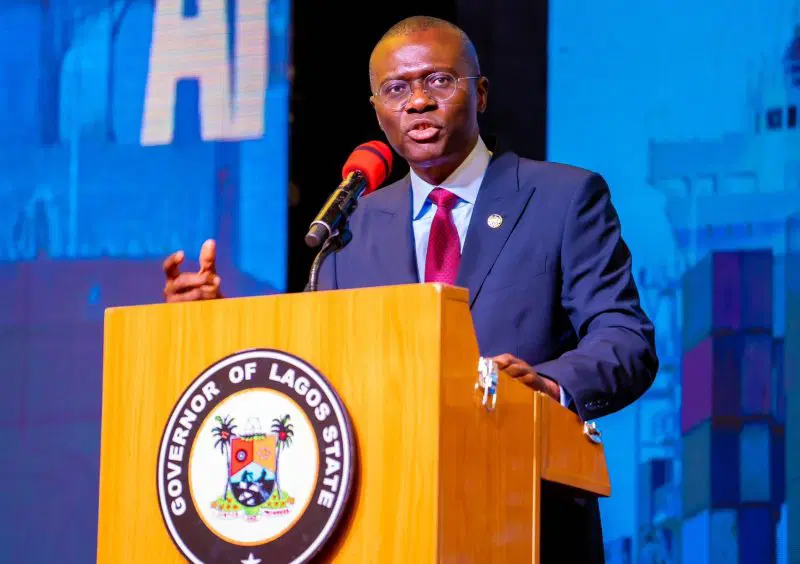
Lagos ban children from streets school hours has been announced as a new policy direction aimed at improving school attendance and reducing the number of out-of-school children in Nigeria’s largest city. The initiative was disclosed by Lagos State Governor Babajide Sanwo-Olu during the launch of the Lagos Education Access Fund and the inauguration of the Lagos State Universal Basic Education Board.
The proposed executive order will prevent school-age children from roaming streets during official school hours unless there is a valid reason. The policy is part of broader reforms designed to strengthen education access and learning outcomes across the state.
In addition to the street restriction policy, the Lagos government also announced a $25 million outcomes-based education funding initiative to support improved learning, enrolment, and retention among children in basic education.

Why Lagos Plans to Ban Children From Streets During School Hours
The Lagos ban children from streets school hours policy is designed to address the challenge of out-of-school children and ensure stronger parental and community accountability for education.
Governor Sanwo-Olu stated that children should not be found outside between 8:00 a.m. and 4:00 p.m., which are considered official school hours in most public and private schools.
According to the governor, the executive order will reinforce existing policies aimed at ensuring that every child of school age is enrolled in school and attends classes consistently.
Key goals of the policy include:
-
Reducing the number of out-of-school children
-
Encouraging parents to prioritise education
-
Supporting community monitoring of school attendance
-
Strengthening enforcement mechanisms for education laws
Officials say the measure will work alongside other interventions that address financial and social barriers preventing children from attending school.
School Attendance as a Shared Responsibility
The Lagos government emphasised that education cannot be achieved through government policies alone. Parents, communities, schools, and social institutions must all participate in ensuring children remain in school.
Authorities believe the new policy will encourage greater accountability among:
-
Parents and guardians
-
School administrators
-
Community leaders
-
Local education authorities
Exceptions to the Policy
While the Lagos ban children from streets school hours order will apply broadly, exceptions may exist for legitimate reasons such as:
-
Medical emergencies
-
Approved vocational activities
-
Official school-related movements
Details on enforcement and specific exemptions are expected to be clarified once the executive order is formally issued.
$25 Million Lagos Education Access Fund (LEAF)
Alongside the policy announcement, the Lagos government launched the Lagos Education Access Fund, also known as LEAF.
The fund introduces a results-based financing model aimed at improving learning outcomes rather than focusing solely on school enrolment statistics.
The programme is being implemented in partnership with the Education Outcome Fund and international development partners.
Key Targets of the Education Fund
The $25 million initiative aims to support more than 200,000 children across Lagos State.
The programme will focus on two main groups:
-
50,000 out-of-school children aged six to fourteen who will be enrolled in formal education through community outreach programmes.
-
150,000 pupils already attending school, who will receive additional support to improve literacy and numeracy skills.
Officials say the programme is designed to ensure that attending school leads to measurable learning outcomes rather than simple classroom presence.
Outcomes-Based Education Financing Explained
Traditional education funding often focuses on inputs such as school buildings, textbooks, and teacher recruitment.
However, outcomes-based financing focuses on measurable results such as:
-
Improved literacy levels
-
Better numeracy skills
-
Higher school retention rates
-
Increased transition to higher education levels
The Lagos government says LEAF represents a shift toward accountability in education spending.
Project Zero and Previous Education Initiatives
The Lagos ban children from streets school hours policy builds on previous programmes introduced by the state government.
One of the most notable initiatives is Project Zero, launched in 2021 to identify and return out-of-school children to formal education.
Achievements of Project Zero
According to government records, the initiative has already helped reintegrate more than 36,000 children into the school system across Lagos State.
Key activities under Project Zero include:
-
Identifying out-of-school children in communities
-
Providing enrolment assistance
-
Supporting vulnerable families
Officials say the programme has contributed significantly to improving education access in several parts of the state.
Support for Parents and Guardians
Recognising that economic hardship can affect school attendance, the Lagos government has also supported parents and guardians through vocational training programmes.
More than 360 parents and caregivers have received training in areas such as:
-
Fashion design
-
Soap production
-
Catering services
-
Hairdressing
These programmes aim to strengthen family income and reduce financial barriers that might prevent children from attending school.
Expansion of Education Infrastructure in Lagos
Beyond policy reforms, Lagos State has continued expanding physical education infrastructure to accommodate growing student populations.
Governor Sanwo-Olu stated that his administration has built more schools and classrooms in the past seven years than were constructed in the previous two decades.
Major School Infrastructure Projects
Recent projects include large school complexes designed to serve thousands of students.
In one example highlighted during the event, a new school complex contains 35 schools with capacity for nearly 20,000 students.
These developments aim to address overcrowding and ensure that increased enrolment does not compromise the quality of learning.
Importance of Partnerships in Education Reform
Education reform in Lagos involves collaboration with international organisations, development agencies, and philanthropic partners.
Some organisations supporting the initiative include:
-
Children’s Investment Fund Foundation
-
Nigeria’s Federal Ministry of Education
-
Ministry of Foreign Affairs of Japan
These partnerships help provide technical expertise and financial support for education initiatives in the state.
Global Perspective on Outcomes-Based Education
Education policy experts say the outcomes-based financing model adopted in Lagos is still relatively rare worldwide.
Dr Amel Karboul, chief executive officer of the Education Outcome Fund, described Lagos as an example of bold leadership in education reform.
She explained that governments often spend large amounts of money on education resources without achieving measurable improvements in learning.
According to Karboul, linking funding directly to results ensures that public spending produces tangible improvements in students’ education.
New LASUBEB Board Appointed to Oversee Basic Education
During the same event, Governor Sanwo-Olu inaugurated a new board for the Lagos State Universal Basic Education Board.
The board will oversee policies and programmes affecting primary and junior secondary education across the state.
Leadership of the Board
Dr Hakeem Shittu was appointed chairman of the board.
Other members include:
-
Dr Saheed Ibikunle
-
Mrs Sijuade Idowu-Tiamiyu
-
Dr Sherifat Adedoyin
-
Mr Owolabi Falana
-
Mr Adewale Babatunde
-
Mr Babatunde Williams
-
Mr Hakeem Lamidi
Responsibilities of the Board
The board will focus on three primary areas:
-
Enrolling vulnerable children in school
-
Improving learning outcomes in classrooms
-
Ensuring accountability in education spending
Officials say stronger governance will be critical to achieving the goals of the Lagos education reforms.
FAQ
Why is Lagos banning children from streets during school hours?
The Lagos ban children from streets school hours policy aims to reduce the number of out-of-school children and ensure that school-age children attend classes during official school hours.
What time will the Lagos street restriction apply to children?
The proposed executive order targets the period between 8:00 a.m. and 4:00 p.m., which are standard school hours in Lagos.
What is the Lagos Education Access Fund (LEAF)?
LEAF is a $25 million outcomes-based education financing programme designed to support school enrolment and improve literacy and numeracy outcomes for over 200,000 children.
How many children will benefit from the new education programme?
The initiative aims to help 50,000 out-of-school children return to school and improve learning outcomes for 150,000 students already enrolled.
Conclusion
The Lagos ban children from streets school hours initiative represents a significant policy step aimed at improving education access and learning outcomes in Nigeria’s largest state. Combined with the $25 million Lagos Education Access Fund and expanded school infrastructure, the programme seeks to address both attendance and educational quality. As implementation progresses, the effectiveness of the policy will likely depend on community participation, parental support, and sustained government commitment to education reform.
Click here for more news



[…] The return of Lagos monthly environmental sanitation represents a major step toward improving environmental hygiene in the state. By encouraging residents to clean their surroundings and properly dispose of waste, the government hopes to tackle pollution, reduce flooding risks, and build a cleaner and healthier Lagos. […]