 0
0
 0
0
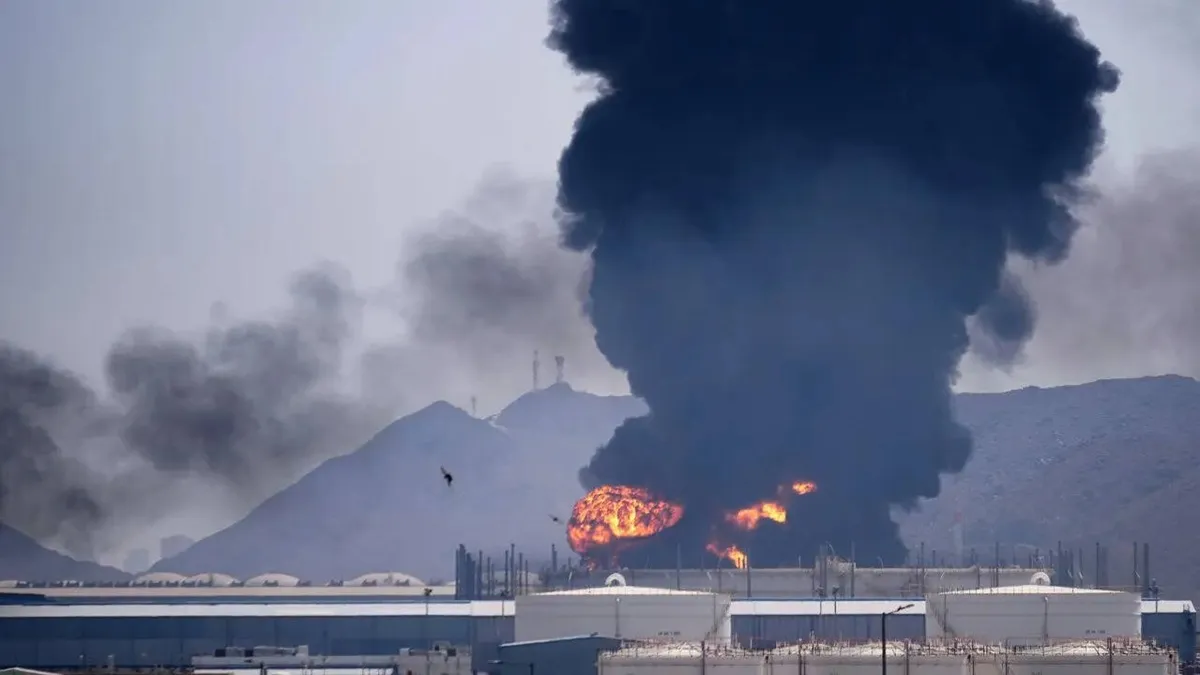
Kuwait Mina al-Ahmadi refinery drone attack 2026 has drawn global attention after a reported strike caused fires at one of the Middle East’s largest oil processing facilities. The incident has raised fresh concerns about energy security and escalating tensions in the region.
Drone Strike Hits Major Kuwaiti Oil Facility
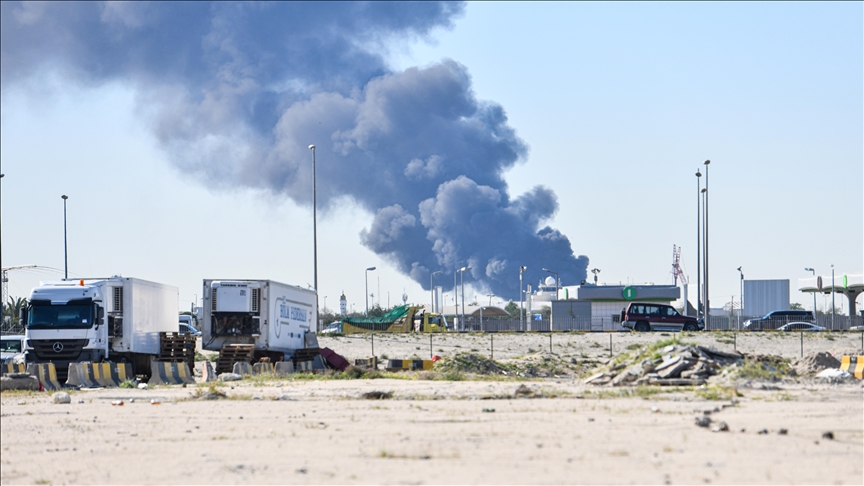
A drone attack reportedly targeted the Mina al-Ahmadi refinery in Kuwait during the early hours, triggering fires across multiple operational units. According to official state media reports, the incident did not result in any fatalities.
The refinery, located along Kuwait’s southern coastline, is a critical component of the country’s oil infrastructure. Emergency response teams were quickly deployed to contain the fires and prevent further damage.
Authorities confirmed that the situation was brought under control after firefighting efforts, although investigations into the full extent of the damage remain ongoing.
Details of the Kuwait Mina al-Ahmadi Refinery Drone Attack 2026
The Kuwait Mina al-Ahmadi refinery drone attack 2026 is believed to have involved unmanned aerial vehicles targeting key operational sections of the refinery.
Scale of the Damage
Initial reports indicate that:
- Multiple processing units were affected by fire
- Operations were temporarily disrupted
- No casualties were recorded
While officials have not released a full damage assessment, the incident underscores vulnerabilities in critical energy infrastructure.
Military Response Overnight
During the same night, Kuwait’s military reportedly activated air defense systems to intercept incoming threats. Authorities stated that missiles and drones heading toward the country were detected and engaged.
This suggests the refinery attack may have been part of a broader wave of aerial threats targeting the region.
Strategic Importance of Mina al-Ahmadi Refinery
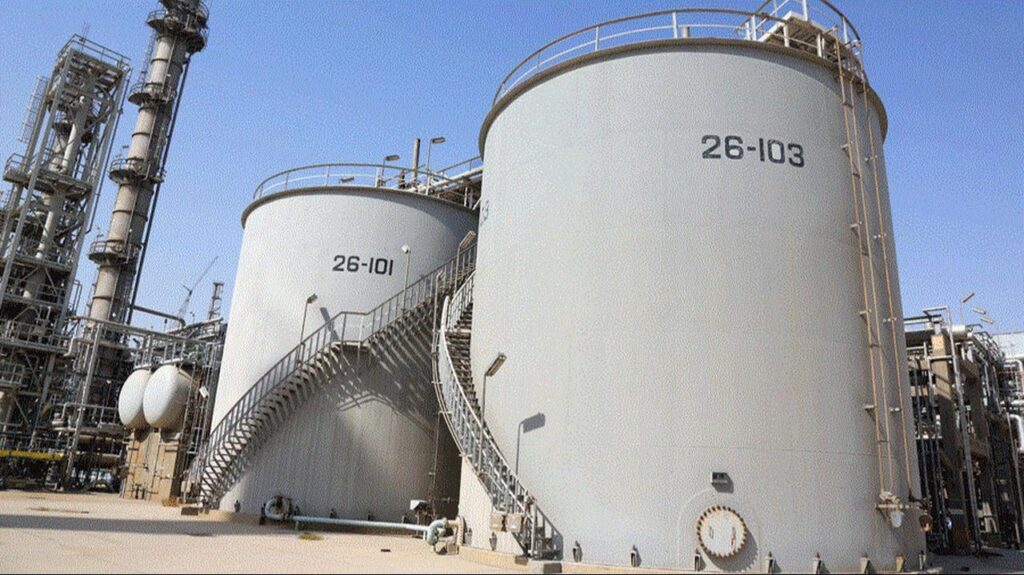
The Mina al-Ahmadi refinery is one of the largest oil refineries in the Middle East, with a processing capacity of approximately 730,000 barrels per day.
Its significance includes:
- Serving as a key export hub for refined petroleum products
- Supporting Kuwait’s role in global energy markets
- Acting as a major employer and industrial center
Any disruption to its operations has the potential to affect both regional supply chains and international oil markets.
Rising Regional Tensions and Security Concerns
The Kuwait Mina al-Ahmadi refinery drone attack 2026 comes amid heightened geopolitical tensions in the Middle East. Energy infrastructure has increasingly become a focal point in regional conflicts, with refineries and pipelines often targeted due to their economic importance.
Previous Attacks on Oil Infrastructure
This is not the first time the refinery has been affected by conflict-related incidents. Earlier in the ongoing regional tensions, the facility had reportedly been shelled, highlighting its exposure to repeated threats.
Across the region, similar attacks on oil installations have:
- Disrupted production and exports
- Increased insurance and shipping costs
- Triggered volatility in global oil prices
Implications for Global Energy Markets
Given Kuwait’s position as a major oil producer, any instability affecting its refining capacity could have ripple effects worldwide.
Potential impacts include:
- Temporary fluctuations in crude oil prices
- Concerns over supply chain reliability
- Increased focus on energy security measures
Energy analysts often monitor such incidents closely, as even short-term disruptions can influence market sentiment.
Emergency Response and Containment Efforts
Following the Kuwait Mina al-Ahmadi refinery drone attack 2026, emergency teams acted swiftly to contain the fires and secure the facility.
Firefighting and Safety Measures
Authorities implemented several measures, including:
- Rapid deployment of firefighting units
- Isolation of affected processing areas
- Safety checks across the refinery
These actions helped prevent the fire from spreading to other critical units within the complex.
Ongoing Investigation
Officials have launched an investigation to determine:
- The exact cause and method of the attack
- The level of structural and operational damage
- Potential improvements to security systems
Findings from the investigation are expected to guide future protective measures.
Security Challenges for Oil Infrastructure
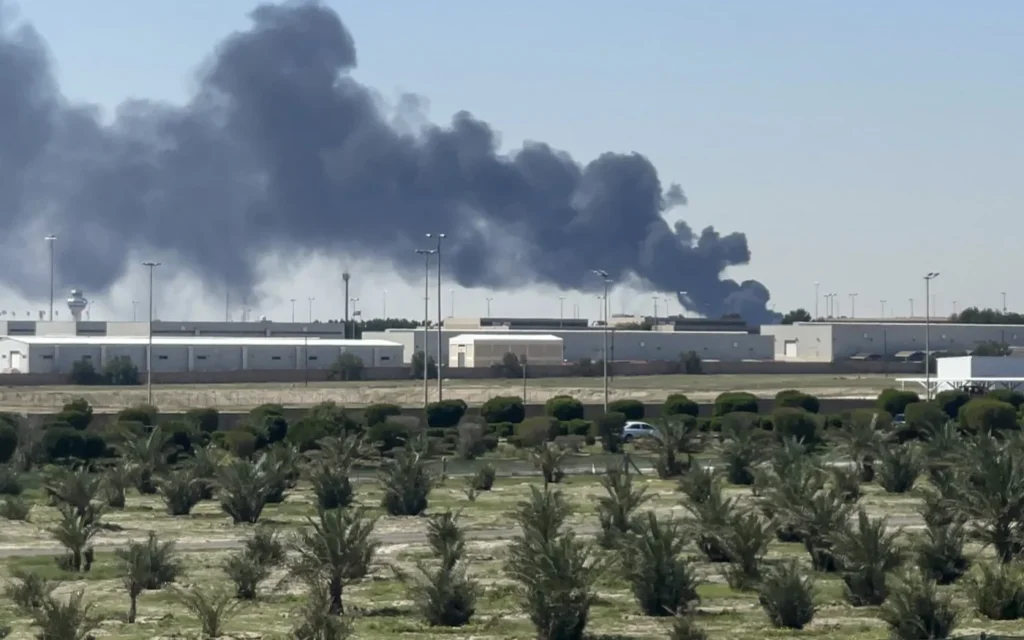
The Kuwait Mina al-Ahmadi refinery drone attack 2026 highlights the growing challenges faced by countries in protecting vital energy assets.
Increasing Use of Drone Technology
Drone technology has become more accessible and sophisticated, making it a preferred tool in modern conflicts. Its advantages include:
- Ability to bypass traditional defenses
- Precision targeting capabilities
- Lower operational costs compared to conventional weapons
These factors make drones a significant threat to large, fixed installations like refineries.
Need for Enhanced Defense Systems
Experts suggest that protecting oil infrastructure now requires:
- Advanced air defense systems
- Continuous surveillance and monitoring
- Coordinated regional security efforts
Strengthening these measures is seen as essential to prevent similar incidents in the future.
FAQ
What caused the Kuwait Mina al-Ahmadi refinery drone attack 2026?
The attack was reportedly carried out using drones targeting operational units at the refinery, leading to fires but no reported casualties.
Was anyone injured in the refinery attack in Kuwait?
No deaths or injuries have been reported following the incident, according to official statements.
Why is the Mina al-Ahmadi refinery important?
It is one of the largest refineries in the Middle East, processing around 730,000 barrels of oil per day and playing a key role in global energy supply.
How could the attack affect global oil markets?
While immediate impacts may be limited, such incidents can raise concerns about supply disruptions and lead to price volatility.
In summary, the Kuwait Mina al-Ahmadi refinery drone attack 2026 underscores the vulnerability of critical energy infrastructure in times of heightened regional tension. While the immediate situation appears to be under control, the incident raises broader questions about security, resilience, and the future of oil production in conflict-prone areas.