0
0
 0
0
Kenya Uganda railway extension project 2026 is back in focus as both countries move to revive a long-delayed infrastructure plan aimed at improving regional trade despite ongoing financial concerns.
Leaders Relaunch Major Railway Project
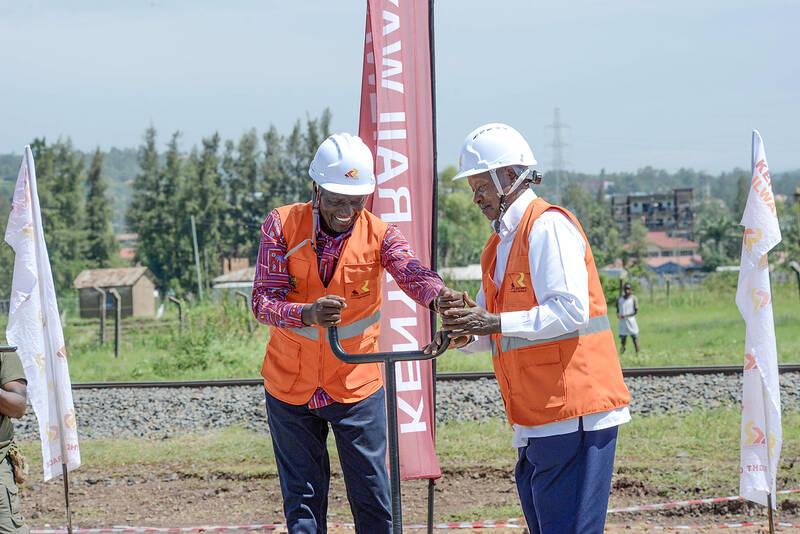
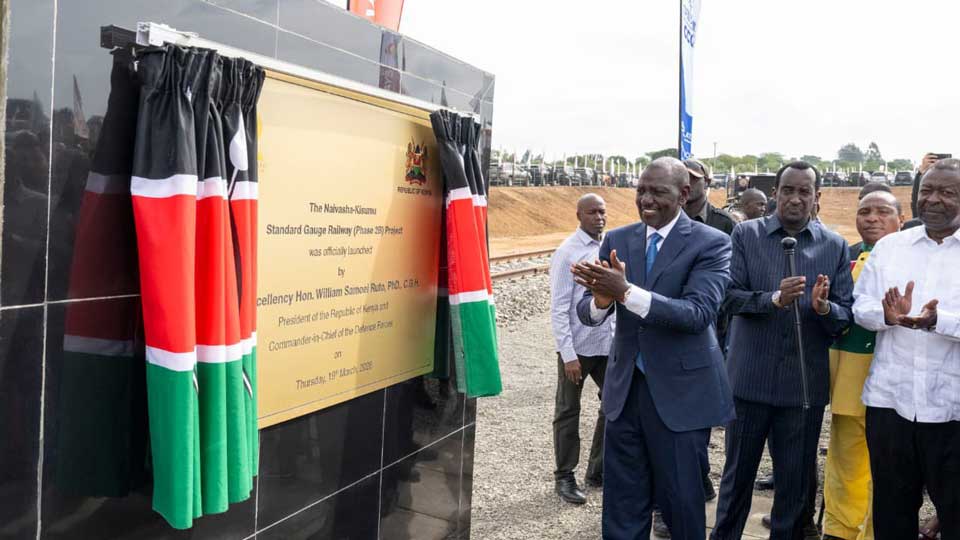
Presidents William Ruto and Yoweri Museveni met near their shared border to officially relaunch the extension of the Standard Gauge Railway (SGR).
Strategic Vision for East Africa
The project is expected to:
- Improve cross-border trade
- Reduce transportation costs
- Strengthen economic integration
Ruto described the railway as a project that would “define generations.”
Project Scope
The extension aims to connect:
- Mombasa Port to Nairobi
- Nairobi to Naivasha
- Future expansion toward Kampala via Malaba
Background: China-Funded Railway Development
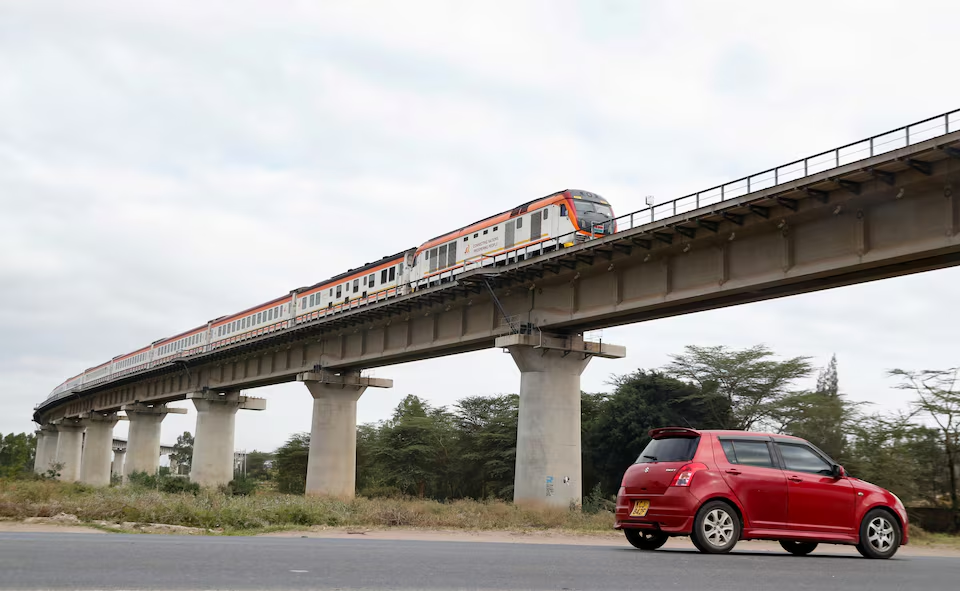
The original railway line was built between 2013 and 2019 with Chinese financing.
Funding History
- China provided significant loans for construction
- Around half of borrowed funds went into the railway
- Total borrowing reached billions of dollars
Lending Halt and Delays
China paused further funding:
- Between 2020 and 2023
- Due to Kenya’s repayment challenges
- Amid broader changes in China’s lending approach in Africa
Rising Debt Concerns in Kenya
The Kenya Uganda railway extension project 2026 continues amid concerns over financial sustainability.
Debt Servicing Burden
Kenya currently spends:
- About $1 billion annually on Chinese debt servicing
- A large portion linked to the railway
Revenue vs Cost Imbalance
- Railway generated approximately $165 million last year
- Operating income remains significantly below debt obligations
Auditor Findings
A government audit revealed:
- Over $260 million lost to penalties and interest
- Delays in loan repayments increased financial pressure
Economic Benefits and Expectations
Despite concerns, leaders emphasize long-term gains.
Reduced Logistics Costs
Transport inefficiencies have been a major issue:
- Cargo takes around 80 hours from Mombasa to Malaba
- Over 100 hours to reach Kampala
The railway is expected to:
- Shorten transit times
- Lower transport costs
- Improve regional competitiveness
Job Creation and Infrastructure Growth
The project is also expected to:
- Create employment opportunities
- Reduce road congestion
- Support industrial development
New Financing Strategy
Unlike earlier phases, Kenya is adopting a different funding approach.
Borrowing Against Future Revenue
Instead of new Chinese loans:
- Kenya plans to borrow against future cargo taxes
- This reduces direct dependency on external lenders
Continued Chinese Involvement
However:
- Chinese companies remain involved in construction
- Technical and operational expertise continues to be utilized
Project Timeline and Expansion Plans
The Kenya Uganda railway extension project 2026 has an ambitious timeline.
Phase Development
- Extension to Kisumu expected by mid-2027
- Next phase will link Kisumu to Malaba
- Final goal is a full connection to Uganda
Regional Integration Goals
The railway aims to:
- Enhance trade within East Africa
- Support the East African Community integration agenda
- Improve supply chain efficiency
Uganda’s Perspective on the Project
Uganda views the railway as essential for improving its infrastructure.
Statements from Yoweri Museveni
Museveni emphasized:
- Current transport systems are inefficient
- The railway will streamline logistics
- Infrastructure modernization is necessary for growth
Broader Implications for Africa
The revival of the railway project reflects wider trends across the continent.
Infrastructure vs Debt Debate
African nations are balancing:
- Large-scale infrastructure investments
- Rising debt obligations
- Economic development goals
Changing Role of China
China’s evolving strategy includes:
- Reduced direct lending
- More cautious investment approaches
- Greater emphasis on project sustainability
FAQ Section
What is the Kenya Uganda railway extension project?
It is a plan to extend Kenya’s Standard Gauge Railway to Uganda to improve trade and transport efficiency.
Why was the railway project delayed?
The project stalled due to funding challenges and China’s decision to halt further lending.
How is Kenya funding the new railway phase?
Kenya plans to borrow against future cargo taxes instead of taking new Chinese loans.
What are the benefits of the railway extension?
It is expected to reduce transport costs, create jobs, and boost regional trade.
Conclusion
The Kenya Uganda railway extension project 2026 represents a renewed push for regional infrastructure development despite financial challenges. While concerns over debt remain, both countries are prioritizing long-term economic gains and improved connectivity. The success of the project will depend on effective financing, efficient execution, and sustained regional cooperation.