 0
0
 0
0
The John Davidson Baftas Tourette incident has sparked global discussion after British campaigner John Davidson addressed controversy surrounding his involuntary vocal tics during the 2026 British Academy of Film and Television Arts awards ceremony. The situation has increased public attention on Tourette Syndrome and the challenges faced by people living with neurological conditions.
Davidson said he was deeply distressed if anyone believed his symptoms were intentional, stressing that involuntary tics do not represent personal beliefs or intentions.
John Davidson Baftas Tourette Incident at Awards Ceremony
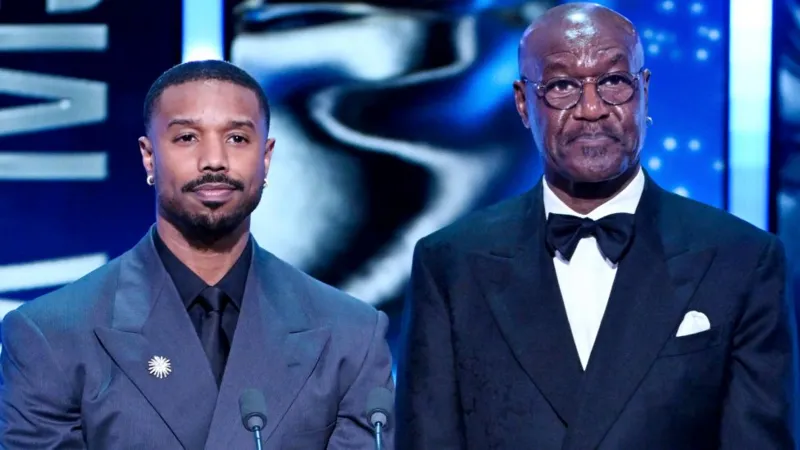
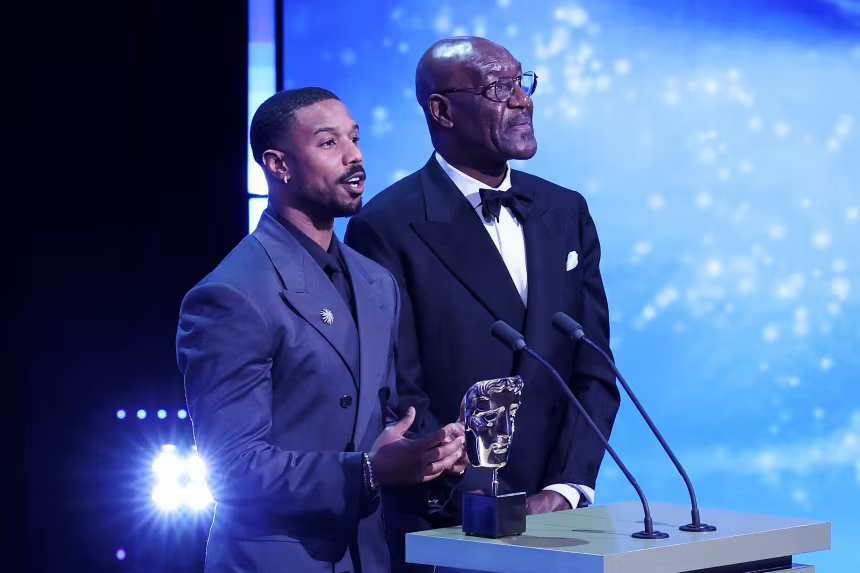
The John Davidson Baftas Tourette incident occurred while actors Michael B. Jordan and Delroy Lindo were presenting the visual effects award to the film Avatar: Fire and Ash. During the live presentation, Davidson shouted an offensive word caused by an involuntary vocal tic.
Before the ceremony began, organizers informed attendees that Davidson would be present and that his vocal tics were involuntary. Despite the announcement, the moment drew strong reactions online and triggered debate about the broadcast and public understanding of Tourette syndrome.
Davidson later chose to leave the ceremony early after realizing the distress his symptoms caused during the event.
John Davidson Baftas Tourette Incident Response From Campaigner
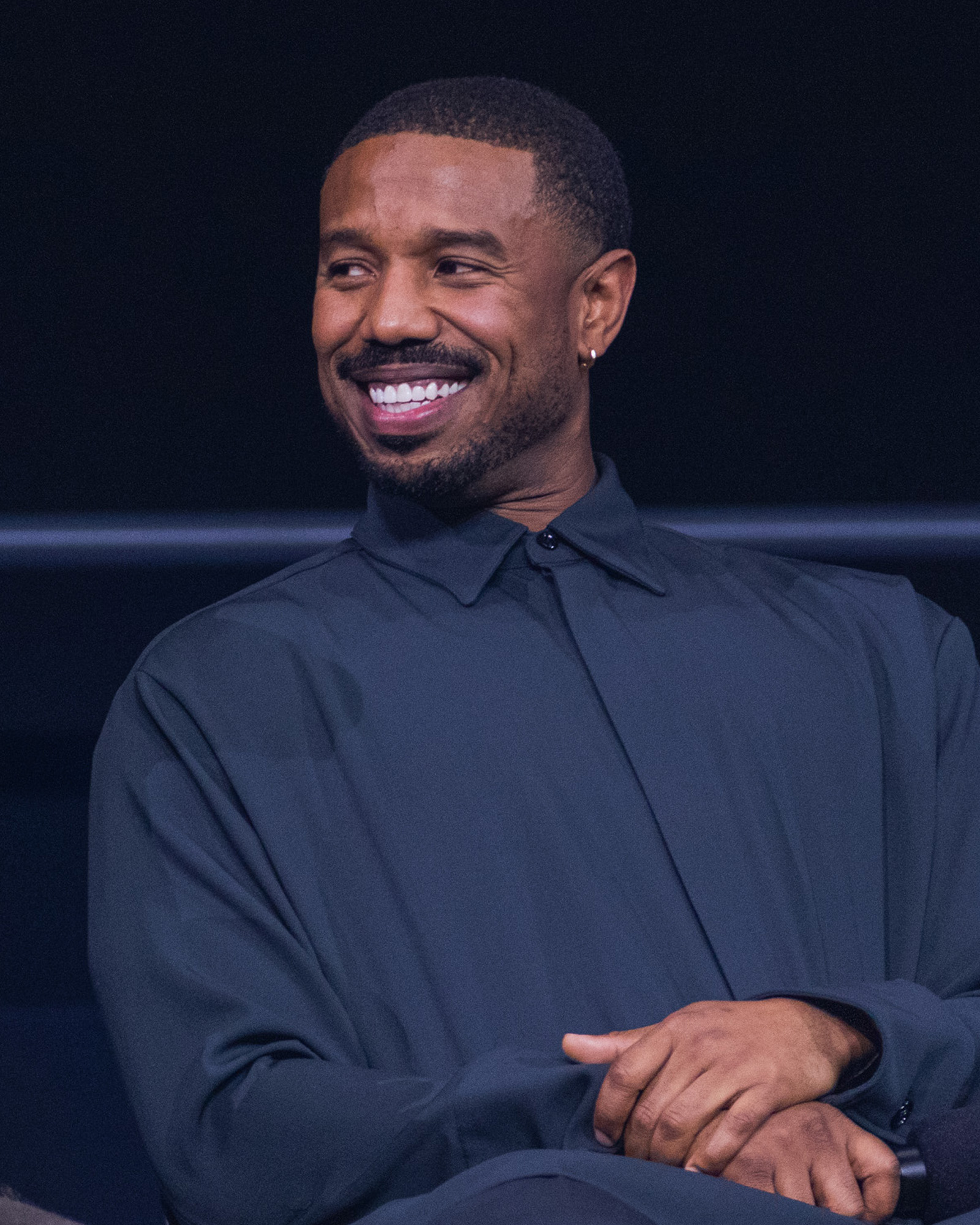
Following the ceremony, Davidson released a statement clarifying the John Davidson Baftas Tourette incident and expressing regret that his involuntary symptoms were misunderstood.
He explained that he has lived with Tourette syndrome for most of his life and has worked to raise awareness about the condition. He also thanked organizers for informing the audience about his symptoms beforehand, noting that the announcement created a more supportive environment.
Davidson attended the event to celebrate the television drama I Swear, which explores his life and experiences living with Tourette syndrome. He reaffirmed his commitment to promoting empathy, education, and understanding of neurological conditions.
John Davidson Baftas Tourette Incident and Charity Support
The John Davidson Baftas Tourette incident prompted support from Tourettes Action, which issued a statement defending Davidson and explaining the nature of Tourette syndrome. The organization’s chief executive, Emma McNally, described the negative reaction from some media coverage as extremely saddening.
She emphasized that vocal tics are involuntary neurological symptoms and should not be interpreted as intentional speech. According to the charity, individuals with Tourette syndrome may say words or phrases they do not mean and often feel distress afterward.
The organization also highlighted the emotional and social challenges associated with the condition, including misunderstanding, isolation, and mental health risks. It urged the public to seek accurate information and approach the condition with compassion.
John Davidson Baftas Tourette Incident and BBC Broadcast Debate
The John Davidson Baftas Tourette incident also led to criticism of the broadcast by the BBC. The ceremony was aired with a delay, but the offensive remark was not removed from the final broadcast.
Host Alan Cumming and event organizers had clarified during the ceremony that Davidson’s tics were involuntary. However, some critics questioned the broadcaster’s editing decisions.
The discussion intensified after it was reported that a political remark by filmmaker Akinola Davies Jr. was removed from the televised version due to time constraints, prompting further debate about broadcast standards and editorial choices.
Understanding the John Davidson Baftas Tourette Incident and Tourette Syndrome
The John Davidson Baftas Tourette incident has renewed focus on Tourette syndrome and the realities of living with the neurological disorder. Tourette syndrome involves repetitive movements or vocalizations known as tics, which occur without voluntary control.
Medical experts and advocacy groups explain that these symptoms can include sudden sounds, words, or gestures that do not reflect the person’s views. Many individuals living with the condition manage their symptoms daily while navigating social and professional environments.
Advocates say the incident demonstrates the importance of awareness and education. Improved public understanding can help reduce stigma, encourage empathy, and support individuals affected by neurological conditions.
Public Discussion After John Davidson Baftas Tourette Incident
The John Davidson Baftas Tourette incident continues to generate conversation about inclusion, accessibility, and public awareness at major events. Supporters argue that the situation highlights the need for better understanding of neurological disorders and the experiences of those living with them.
Advocacy groups encourage audiences to learn more about Tourette syndrome and recognize that involuntary symptoms should not be mistaken for intentional actions. The ongoing discussion reflects broader efforts to promote respect and informed dialogue around health conditions.
The incident has ultimately increased awareness of Tourette syndrome while reinforcing calls for compassion and education in public spaces.
For More news, please visit our homepage