 0
0
 0
0
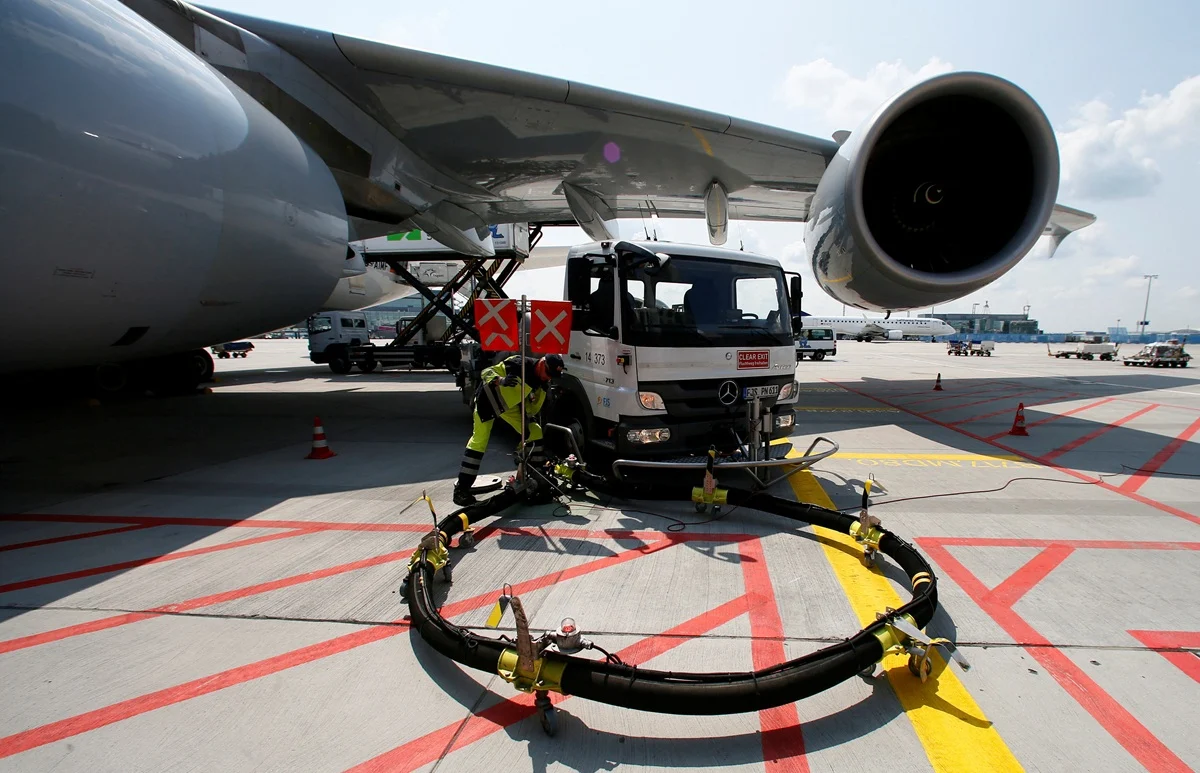
Jet fuel supply recovery Hormuz 2026 remains uncertain as global aviation leaders warn that even if the Strait of Hormuz reopens, it could take months for fuel supplies to stabilize due to disruptions in Middle East refining capacity.
Jet Fuel Supply Recovery Hormuz 2026 Faces Delays Despite Ceasefire Talks
The jet fuel supply recovery Hormuz 2026 outlook has drawn attention following recent geopolitical developments, including a proposed ceasefire linked to reopening the strategic Strait of Hormuz.
The waterway is a critical global energy route, carrying roughly one-fifth of the world’s oil supply. Any disruption has immediate ripple effects on global energy markets and aviation fuel availability.
Impact of Hormuz Closure on Global Oil Flow
- Reduced crude oil shipments globally
- Supply bottlenecks affecting refineries
- Increased volatility in oil prices
Although oil prices have recently dipped below $100 per barrel amid ceasefire discussions, supply chain recovery is expected to lag behind price adjustments.

IATA Warns Jet Fuel Supply Recovery Hormuz 2026 Will Take Months
The International Air Transport Association (IATA) has indicated that jet fuel supply recovery Hormuz 2026 will not be immediate, even if crude oil flows resume.
Key Insights from Aviation Industry Leaders
- Refining capacity in the Middle East has been disrupted
- Jet fuel production cannot quickly return to normal levels
- Supply shortages may persist for several months
The aviation sector depends heavily on refined products, meaning that restoring crude supply alone is not enough to stabilize jet fuel availability.

Refinery Disruptions Slowing Jet Fuel Supply Recovery Hormuz 2026
A major factor affecting jet fuel supply recovery Hormuz 2026 is the damage or reduced output from refineries across the Middle East.
Why Refining Capacity Matters
Refineries convert crude oil into usable products like:
- Jet fuel
- Diesel
- Petrol
When refinery operations are disrupted, it creates a bottleneck that limits supply even if crude oil becomes available again.
Longer Recovery Timeline Expected
Industry experts note that:
- Restarting refinery operations takes time
- Supply chains need gradual normalization
- Distribution networks must be restored
These factors contribute to the extended recovery period expected for jet fuel markets.
Airlines Adjust Operations Amid Fuel Shortages
The jet fuel supply recovery Hormuz 2026 challenge has forced airlines, particularly in Asia, to adapt their operations.
Operational Changes by Airlines
- Carrying additional fuel from origin airports
- Adding refuelling stops to long-haul flights
- Reducing or adjusting flight schedules
These measures aim to manage fuel uncertainty but also increase operational costs and complexity.
Developing Markets Hit Hardest by Fuel Constraints
Lower-income and import-dependent countries have been most affected by the jet fuel supply recovery Hormuz 2026 delays.
Countries Facing Greater Impact
- Vietnam
- Myanmar
- Pakistan
These markets rely heavily on imported fuel, making them more vulnerable to global supply disruptions.
Export Restrictions Add Pressure
- China and Thailand have halted jet fuel exports
- South Korea has limited exports to previous levels
Such restrictions further tighten global supply and delay recovery efforts.

Potential Recovery Factors for Jet Fuel Supply
Despite ongoing challenges, several factors could support jet fuel supply recovery Hormuz 2026 over time.
Key Drivers of Recovery
- Resumption of crude oil flow through Hormuz
- Restart of refinery operations
- Increased production driven by higher refinery margins
The “crack spread,” which measures refinery profitability, remains elevated and may incentivize producers to increase output once conditions stabilize.
Global Aviation Industry Faces Continued Pressure
The jet fuel supply recovery Hormuz 2026 situation adds to existing pressures on the aviation industry, which has already been dealing with rising operational costs.
Key Challenges for Airlines
- Elevated fuel prices
- Increased operational complexity
- Reduced profit margins
As fuel costs remain a major expense for airlines, prolonged disruptions could affect ticket prices and travel demand.
FAQ Section
Why is jet fuel supply recovery Hormuz 2026 delayed?
Recovery is delayed due to disruptions in Middle East refining capacity, which limits production even if crude oil supply resumes.
How important is the Strait of Hormuz to global oil supply?
The Strait of Hormuz carries about 20% of the world’s oil, making it a critical route for global energy markets.
Which regions are most affected by jet fuel shortages?
Lower-income, import-dependent countries such as Vietnam, Myanmar, and Pakistan are experiencing the greatest impact.
What steps are airlines taking to manage fuel shortages?
Airlines are carrying extra fuel, adding refuelling stops, and adjusting flight schedules to cope with supply disruptions.
Conclusion
The jet fuel supply recovery Hormuz 2026 outlook highlights the complex relationship between geopolitical events, energy supply chains, and global aviation. While reopening the Strait of Hormuz could ease some pressures, full recovery will depend on restoring refining capacity and stabilizing supply networks. Until then, airlines and markets are likely to face continued uncertainty.
PLEASE CLICK HERE FOR MORE NEWS