


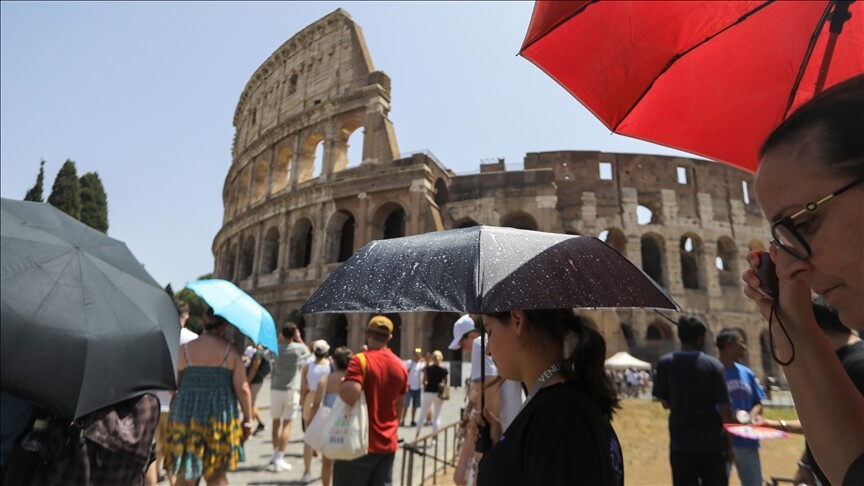
The Italy heat wave emergency admissions situation has intensified as hospitals across the country report a noticeable rise in patient intake following extreme temperature conditions. The Italy heat wave emergency admissions trend comes as 18 major Italian cities were placed under red alert due to dangerously high temperatures affecting public health, infrastructure, and daily life.
Health authorities have warned that the ongoing heat wave is placing additional pressure on emergency departments, especially in densely populated urban areas.


Overview of the Italy Heat Wave Emergency Situation
The current Italy heat wave emergency admissions surge has been linked to prolonged exposure to high temperatures affecting multiple regions across the country. Authorities confirmed that emergency rooms in major cities have seen a sharp increase in heat-related cases.
Cities placed under red alert
The Italian Health Ministry issued red alerts for 18 major cities, including:
- Rome
- Milan
- Florence
- Turin
- Venice
- Genoa
These cities are experiencing some of the highest recorded temperatures during the current heat wave period.
Temperature conditions across Italy
Meteorological reports indicate that:
- Temperatures are exceeding 30°C (86°F) in many regions
- Heat conditions are expected to persist across multiple days
- Urban heat intensity is higher due to population density
Increase in Emergency Admissions Across Hospitals
The Italy heat wave emergency admissions increase has placed additional pressure on healthcare systems, especially emergency and urgent care departments.
Estimated rise in hospital visits
According to health officials:
- Emergency admissions have increased by 10–15%
- Large city hospitals are most affected
- Heat-related illnesses are the primary cause
Common heat-related conditions
Hospitals are treating patients for:
- Heat exhaustion
- Dehydration
- Heatstroke
- Cardiovascular stress
Health system response
Medical authorities have responded by:
- Increasing emergency staffing levels
- Prioritizing heat-related cases
- Issuing public health warnings
Expert Commentary on the Heat Wave Impact
The Italy heat wave emergency admissions situation has been described by health experts as serious but currently manageable.
Medical expert assessment
Alessandro Riccardi, president of the Italian Society of Emergency Medicine, stated that:
- Admissions have increased in major cities
- The rise is currently limited
- There is no immediate cause for alarm
His remarks highlight that while healthcare systems are under pressure, they remain operational.
Public health interpretation
Experts emphasize:
- Heat waves disproportionately affect elderly populations
- Urban environments increase heat exposure risks
- Preventive measures are essential to reduce hospital burden
Government and Institutional Response in Italy
The Italy heat wave emergency admissions surge has prompted coordinated responses from government and public institutions.


Red alert system activation
The Italian Health Ministry’s red alert system includes:
- High-risk heat warnings for vulnerable populations
- Public advisories to reduce outdoor activity
- Monitoring of hospital capacity levels
Legal and institutional disruptions
Several public services have been affected:
- Courts in Palermo suspended hearings until June 29
- Florence’s Uffizi Gallery restricted access due to heat conditions
- Some public venues limited entry to pre-booked visitors only
These disruptions highlight the widespread impact of extreme temperatures.
Regional Impact of the Heat Wave Across Italy
The Italy heat wave emergency admissions situation is not limited to healthcare alone, as multiple sectors are experiencing disruption.
Urban impact
Major cities are facing:
- Increased strain on electricity systems
- Higher demand for cooling and water
- Reduced outdoor activity during peak hours
Vulnerable population risks
Groups most affected include:
- Elderly individuals
- People with chronic illnesses
- Outdoor workers
- Tourists unfamiliar with extreme heat conditions
Public safety concerns
Authorities continue to stress:
- Avoidance of direct sun exposure
- Hydration and cooling measures
- Limiting strenuous physical activity
Deaths and Severe Cases Linked to Heat Wave
Reports indicate that the Italy heat wave emergency admissions increase is accompanied by more severe outcomes in some cases.
Confirmed fatalities
At least five deaths have been reported across Italy, with heat exposure believed to be a contributing factor.
Medical implications
Health experts warn that:
- Heat waves can worsen underlying conditions
- Delayed treatment increases mortality risk
- Early intervention is critical in emergency cases
How Italy Is Managing the Ongoing Heat Crisis
Authorities are continuing to monitor the situation as part of ongoing emergency preparedness measures.
Emergency healthcare measures
Hospitals have implemented:
- Increased emergency room capacity
- Heat-specific treatment protocols
- Public health communication campaigns
Community-level responses
Local authorities are encouraging:
- Use of cooling centers
- Elderly wellness checks
- Reduced outdoor working hours where possible


Frequently Asked Questions (FAQ)
What is causing the rise in emergency admissions in Italy?
The increase is linked to the ongoing heat wave affecting multiple cities, leading to heat-related illnesses such as dehydration and heatstroke.
Which cities in Italy are under heat wave red alert?
Cities including Rome, Milan, Florence, Turin, Venice, and Genoa are among the 18 placed under red alert by health authorities.
How much have emergency admissions increased in Italy?
Health officials estimate that emergency admissions have risen by approximately 10–15% during the heat wave period.
Are hospitals in Italy overwhelmed by the heat wave?
While hospitals are experiencing increased pressure, experts state that the situation remains manageable at this time.
Conclusion
The Italy heat wave emergency admissions situation highlights the growing impact of extreme weather on public health systems across Europe. With 18 cities under red alert and emergency departments seeing increased patient intake, authorities continue to monitor conditions closely.
Although the situation is currently considered under control, continued high temperatures underscore the importance of public awareness, preventive healthcare measures, and preparedness for future climate-related health emergencies.
Click here for more news


