


Israeli West Bank settlement expansion has come under renewed scrutiny following a Palestinian report accusing Israeli authorities and settlers of using military infrastructure to increase illegal settlement activity across the occupied territory. This ongoing Israeli West Bank settlement expansion has raised significant concerns internationally.
The report, issued by the National Bureau for Defending Land and Resisting Settlements, an office affiliated with the Palestine Liberation Organization (PLO), claimed that Israeli authorities have intensified efforts to reshape the geography of the occupied West Bank through military orders, land seizures, and road construction projects linked to settlement expansion.
The implications of Israeli West Bank settlement expansion are profound, affecting both regional stability and the lives of Palestinian communities.
The findings add to growing international concern over settlement activities in the West Bank, which many countries and international organizations consider a violation of international law.
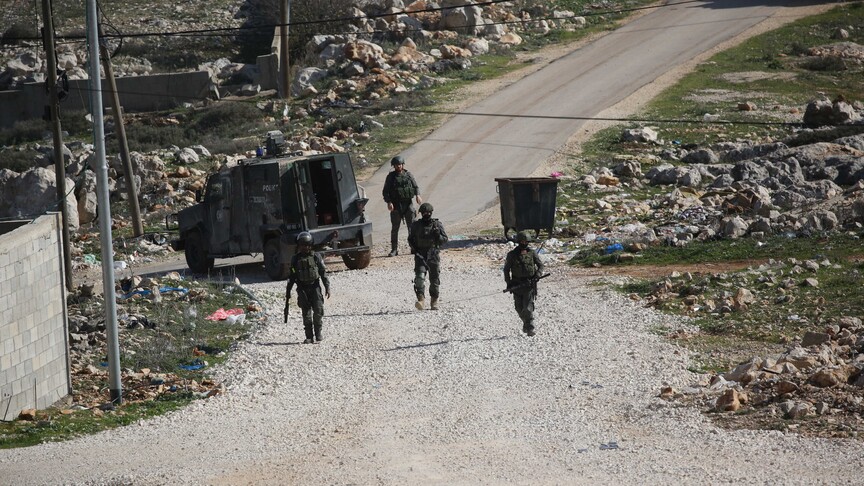

Report Claims Military Infrastructure Supports Settlement Growth
According to the report, Israeli authorities and settlers have allegedly worked together over recent years to expand settlement outposts and connect them to larger settlements throughout the West Bank.
The document stated that military infrastructure has increasingly been used to support civilian settlement growth. This includes opening new access roads, changing the boundaries of military zones, and converting military facilities into civilian settlements.
These measures are part of a broader strategy of Israeli West Bank settlement expansion that aims to solidify control over the territory.
The report argued that these actions have significantly altered the topography of the occupied territory.
Military Seizure Orders Under Scrutiny
Such military seizure orders have been increasingly scrutinized due to their role in facilitating Israeli West Bank settlement expansion.
One of the key claims in the report involves the use of military seizure orders. These orders, which are traditionally justified on security grounds, are now allegedly being used to support settlement expansion projects.
The bureau reported that between 2023 and 2025, Israeli authorities issued 140 military seizure orders categorized as serving “security needs.”
According to the report:
- 81% of these orders were linked to settlement activities
- 81% of these orders were linked to Israeli West Bank settlement expansion activities
- Several roads were reportedly paved to connect outposts to established settlements
- Several roads were reportedly paved to connect outposts to established settlements as part of Israeli West Bank settlement expansion efforts
- Some military bases were converted into civilian settlement sites
Palestinian officials described this as a systematic policy designed to strengthen Israeli control over large areas of the West Bank.
Changes to Military Firing Zones
The report also alleged that Israeli authorities modified the boundaries of military firing zones to facilitate settlement growth.
Citing Israeli media outlet Haaretz, the document claimed that the commander of the Israeli army’s Central Command signed eight orders in recent months altering the boundaries of military zones in the West Bank.
According to the report, these changes were intended to:
- Legalize existing settlement outposts
- Legalize existing outposts associated with Israeli West Bank settlement expansion
- Enable further expansion of nearby settlements
- Restrict Palestinian access to surrounding lands
- Restrict Palestinian access to surrounding lands impacted by Israeli West Bank settlement expansion
The Palestinian bureau argued that such measures are reshaping land ownership and access patterns across the occupied territory.
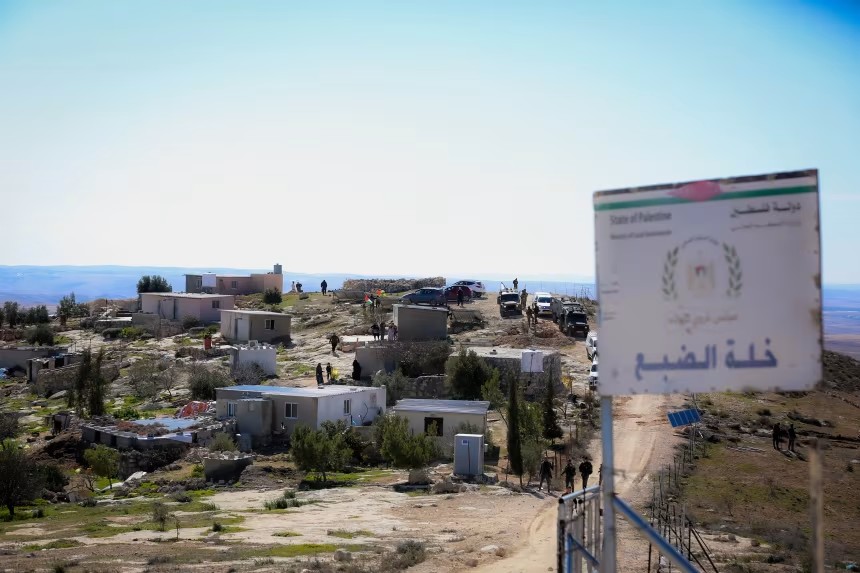

Palestinian Communities Reportedly Displaced
The Israeli West Bank settlement expansion report also highlighted alleged displacement of Palestinian communities in areas including the Jordan Valley and Masafer Yatta.
The Israeli West Bank settlement expansion report also highlighted the impact of these actions on local communities.
According to the document, Israeli military operations and settlement expansion activities have contributed to the destruction of several Palestinian communities in those regions.
The report claimed that residents were forced to leave while new settlement outposts appeared in nearby locations afterward.
As Israeli West Bank settlement expansion continues, the displacement of communities has become a pressing issue.
Jordan Valley and Masafer Yatta Concerns
The Jordan Valley and Masafer Yatta have remained among the most sensitive areas in the occupied West Bank due to long-running disputes over land ownership, military zones, and settlement activity.
Palestinian groups and international rights organizations have repeatedly raised concerns about:
- Home demolitions
- Restrictions on movement
- Land confiscations
- Settlement outpost construction
The new report alleges that some settlement projects were carried out with direct coordination from Israeli political authorities.
Settlement Numbers Continue to Rise
Ongoing Israeli West Bank settlement expansion further complicates the already tense dynamics in the region.
Data included in the report showed the scale of settlement infrastructure currently spread throughout the occupied West Bank.
According to figures cited from the Palestinian Central Bureau of Statistics:
- There were 645 Israeli settlements and military sites in the West Bank by the end of 2025
- These included 151 officially recognized settlements
- Another 350 settlement outposts were recorded
- 89 of the outposts were classified as pastoral outposts
- 144 additional sites included military camps, industrial zones, tourism projects, and service areas
The report also stated that the Israeli settler population in the West Bank reached approximately 778,500 people by the end of 2024.
Most settlers reportedly live within the Jerusalem governorate and surrounding areas.
International Position on Settlements
The international community remains critical of Israeli West Bank settlement expansion, viewing it as a significant barrier to peace.
Many countries, along with the United Nations, consider Israeli settlements in the occupied West Bank illegal under international law.
Israel disputes this interpretation and maintains that several areas have historical and security significance.
Settlement activity has remained one of the central issues in the Israeli-Palestinian conflict for decades, often complicating peace negotiations and diplomatic efforts.
International observers have frequently warned that continued settlement expansion could reduce the possibility of a future negotiated two-state solution.
Continued Israeli West Bank settlement expansion poses challenges to future negotiations.
Military Orders and Infrastructure Development
The report emphasized that infrastructure development has become a major tool in advancing settlement activity.
Road construction projects were highlighted as a key element of the strategy, particularly roads linking isolated outposts to larger settlements.
Palestinian officials argue that such projects gradually integrate outposts into official settlement networks.
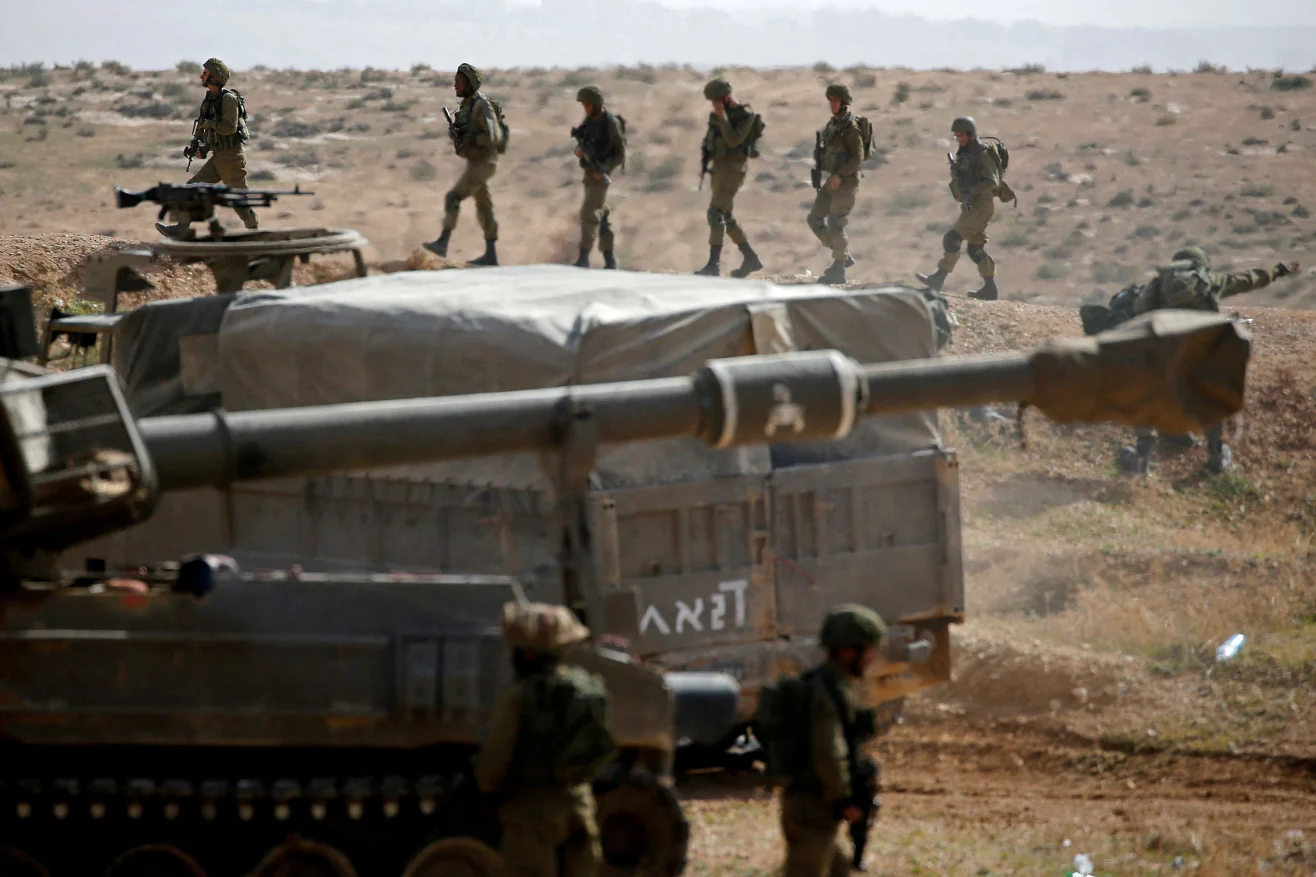

Expansion Through Transportation Networks
Road infrastructure in the West Bank has long been politically sensitive because it affects mobility, land access, and territorial continuity.
According to the report, new roads built under military authority often:
- Separate Palestinian communities
- Increase settler access
- Expand settlement boundaries
- Limit future Palestinian urban development
The bureau stated that military infrastructure projects are increasingly serving long-term civilian settlement objectives.
Rising Regional and International Attention
The report arrives during a period of heightened international attention on developments in the occupied Palestinian territories.
Human rights organizations, diplomatic groups, and international institutions continue monitoring settlement activities and related policies.
Several governments have previously called for a halt to settlement expansion, warning that continued construction could increase regional tensions.
At the same time, Israeli officials continue to defend security operations and maintain that settlement issues should be addressed through negotiations.
FAQ
What is the Israeli West Bank settlement expansion issue?
The issue refers to the continued growth of Israeli settlements and outposts in the occupied West Bank, which many international bodies consider illegal under international law.
Why are military seizure orders controversial in the West Bank?
Critics argue that military seizure orders, originally intended for security purposes, are increasingly being used to support settlement construction and land control.
How many Israeli settlements are currently in the West Bank?
According to Palestinian statistics cited in the report, there were 645 settlements, outposts, and military-related sites across the West Bank by the end of 2025.
What areas are most affected by settlement expansion?
The report highlighted the Jordan Valley, Masafer Yatta, and areas surrounding Jerusalem as among the regions most affected by settlement growth and military-related land changes.
The latest allegations regarding Israeli West Bank settlement expansion highlight the continuing tensions surrounding land use, military infrastructure, and settlement activity in the occupied territory. As international attention remains focused on developments in the region, settlement policies are expected to remain a major point of political and diplomatic debate in the coming months.
PLEASE CLICK HERE FOR MORE NEWS


