


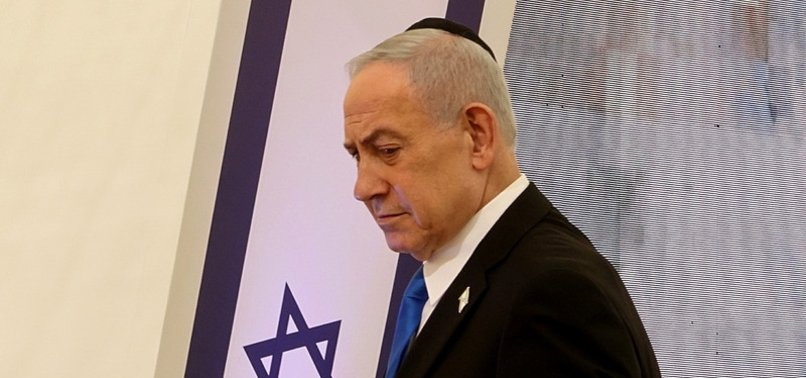
Israel UN sexual violence blacklist dispute escalated sharply after Israel announced it was severing all ties with the office of UN Secretary-General António Guterres following its inclusion in a conflict-related sexual violence blacklist. The decision has intensified diplomatic tensions between Israel and the United Nations.
The move was confirmed by Israel’s UN ambassador Danny Danon, who described the UN’s decision as unacceptable and politically motivated. The development has triggered global reactions amid ongoing scrutiny of the conflict and allegations involving both sides.
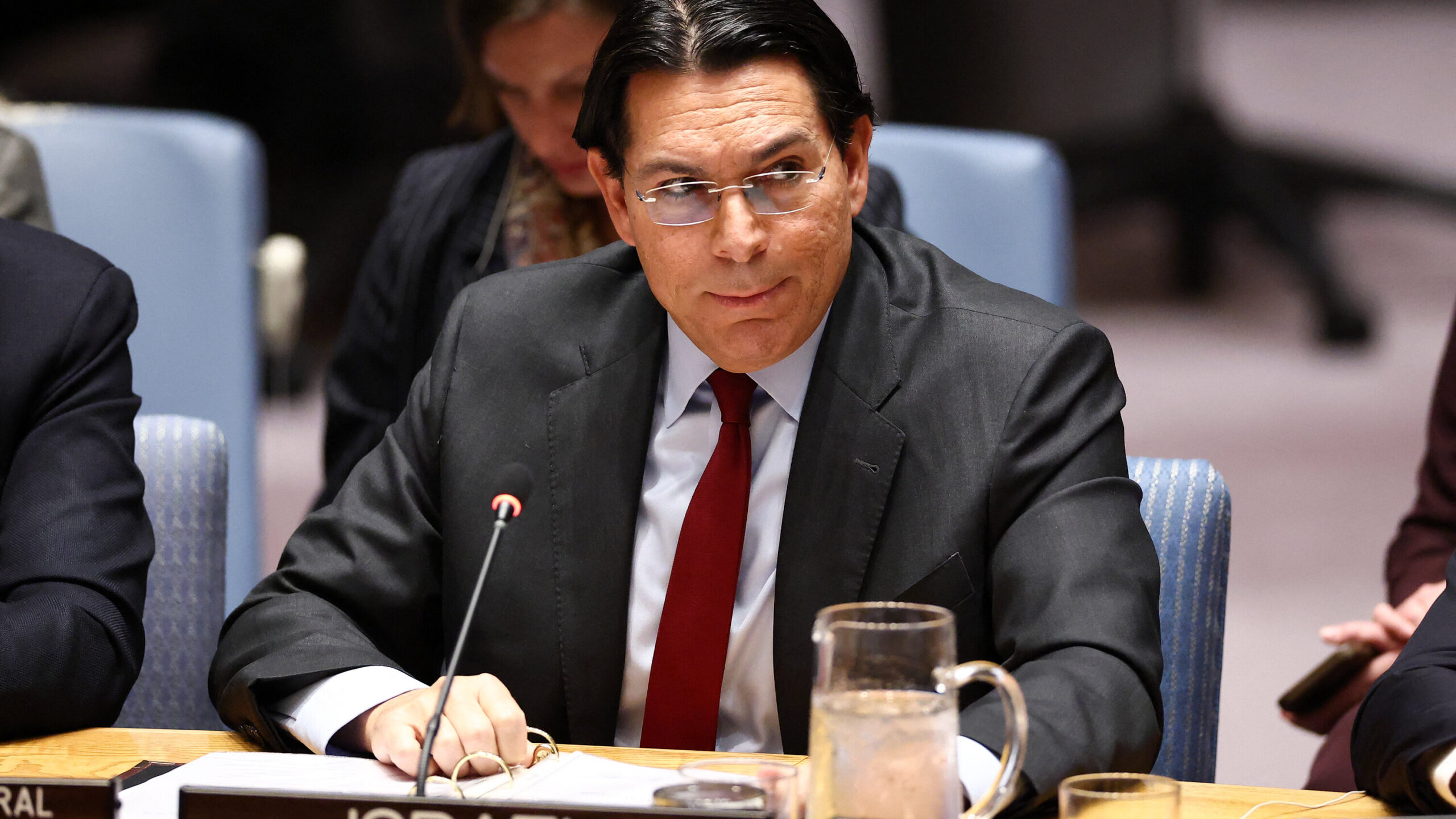

Israel Severs Ties With UN Secretary-General’s Office
The Israel UN sexual violence blacklist dispute began when Israel formally announced it would end contact with the UN Secretary-General’s office after being added to the list of parties suspected of sexual violence in armed conflict.
Statement From Israel’s UN Envoy
Israel’s ambassador to the United Nations, Danny Danon, delivered the announcement through a recorded video message.
He said Israel’s decision was based on what he described as unfair treatment by the United Nations.
Danon stated that the UN leadership had allegedly continued to spread claims against Israel, arguing that it placed Israel and Hamas on the same level in a way he considered unacceptable.
Diplomatic Break Confirmed
The Israeli mission to the UN later confirmed the decision publicly through a statement on social media.
Key points from the announcement:
- Israel ended official communication with the UN Secretary-General’s office
- The envoy reportedly communicated the decision directly to António Guterres
- Israel accused the UN of promoting a political campaign against the country
The Israel UN sexual violence blacklist dispute has since become a major point of international diplomatic debate.
UN Responds to Israel’s Decision
Following Israel’s announcement, the United Nations responded by maintaining that its channels of communication remain open.
UN Statement on Continued Dialogue
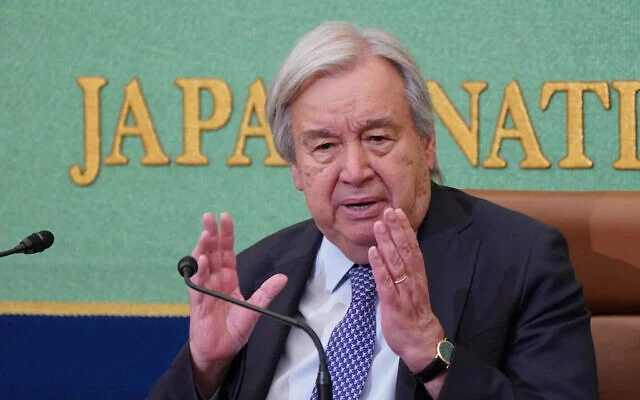
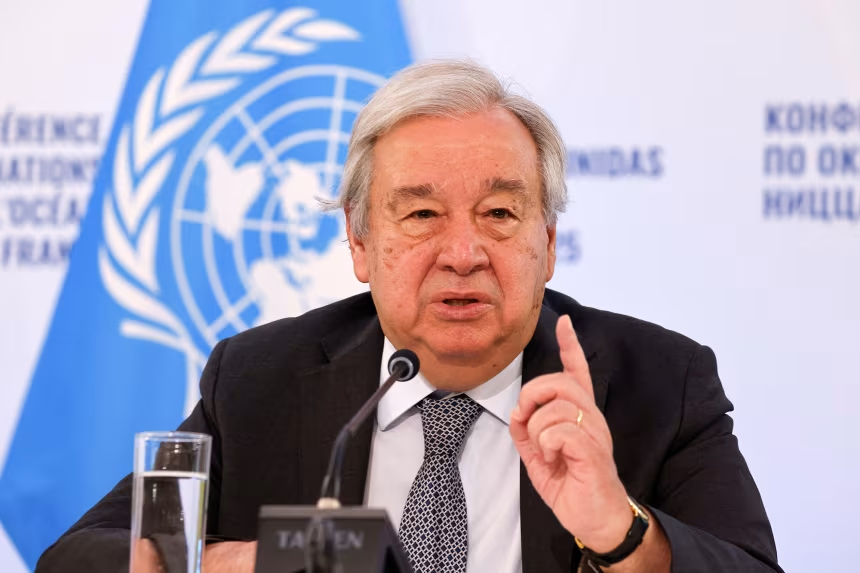
UN spokesperson Stéphane Dujarric stated that the Secretary-General’s office remains open to engagement with all member states, including Israel.
Key points from the UN response:
- Dialogue remains open despite diplomatic tensions
- All 192 member states are treated equally in communication channels
- The UN has not closed doors to Israeli representatives
Status of the Report
The UN report linked to the Israel UN sexual violence blacklist dispute has not yet been officially released in full. However, such reports typically include annexes listing parties suspected of violations in conflict zones.
Allegations Behind the Sexual Violence Blacklist
The decision to include Israel on the blacklist is tied to allegations reported by media outlets and human rights organizations regarding sexual violence in conflict settings.
Reports From Media and Human Rights Groups
Some reports cited claims involving alleged abuse of Palestinian detainees.

Organizations referenced in reports include:
- B’Tselem
- Save the Children
- Euro-Med Human Rights Monitor
- Committee to Protect Journalists
These groups have documented allegations of mistreatment in detention settings, which have been referenced in broader discussions surrounding the conflict.
Media Investigations and Claims
A New York Times opinion article by columnist Nicholas Kristof was also cited in discussions related to the Israel UN sexual violence blacklist dispute.
Key claims referenced in the article:
- Allegations of sexual abuse involving Palestinian detainees
- Descriptions of physical and psychological humiliation during detention
- Accounts collected from multiple interviewed individuals
Kristof noted that while there was no evidence of direct orders from Israeli leadership, he suggested concerns about systemic conditions enabling abuse.
Broader Human Rights Concerns in the Conflict
The Israel UN sexual violence blacklist dispute is part of a wider global conversation about human rights violations in conflict zones.
Allegations of Detainee Treatment
Reports have included claims involving:
- Physical abuse in detention facilities
- Alleged sexual violence against detainees
- Claims of humiliation and coercion
- Concerns raised by international observers
These allegations remain under review and are part of ongoing international investigations and reporting efforts.
Role of International Organizations
Global organizations continue to monitor the situation through:
- Human rights documentation
- Field investigations
- Survivor testimonies
- Independent reporting networks
The UN’s inclusion of parties in its annual reports is typically intended to highlight areas requiring international attention.
Diplomatic Reactions and Global Implications
The Israel UN sexual violence blacklist dispute has triggered varied diplomatic reactions and raised concerns about the future of Israel-UN relations.
Tensions Between Israel and the UN
Relations between Israel and the United Nations have historically been complex, with disagreements often arising over conflict-related resolutions and reports.
Key areas of tension include:
- Interpretation of conflict conduct
- Allegations of bias in reporting
- Disputes over terminology and classification
- Political responses to UN findings
International Response Landscape
Countries and observers have responded differently to the dispute:
- Some emphasize the importance of UN accountability mechanisms
- Others raise concerns about fairness and political neutrality
- Human rights groups call for further independent investigation
Significance of the Sexual Violence Blacklist
The UN sexual violence blacklist is part of a broader accountability framework used in conflict monitoring.
Purpose of the Blacklist
The list is intended to:
- Document credible allegations of sexual violence in conflict
- Encourage accountability among armed actors
- Support victims and investigative processes
- Inform international policy responses
Controversy Surrounding Inclusion
Inclusion on the list often generates controversy, especially when states dispute the findings or methodology used in reports.
The Israel UN sexual violence blacklist dispute highlights the sensitivity surrounding such designations and their diplomatic consequences.

FAQ
Why did Israel cut ties with the UN Secretary-General’s office?
Israel ended ties after being added to a UN sexual violence blacklist, which it described as unfair and politically motivated.
What is the Israel UN sexual violence blacklist dispute about?
It refers to Israel’s rejection of a UN report listing it among parties accused of sexual violence in armed conflict.
How did the UN respond to Israel’s decision?
The UN said its Secretary-General’s office remains open to communication with Israel and all member states.
What allegations led to the blacklist inclusion?
Reports and human rights organizations cited allegations of sexual abuse and mistreatment of detainees in conflict-related settings.
Conclusion
The Israel UN sexual violence blacklist dispute reflects growing diplomatic tensions between Israel and the United Nations over conflict-related allegations and reporting. While Israel strongly rejects the decision and has cut official ties with the Secretary-General’s office, the UN maintains that its engagement channels remain open. The issue continues to draw global attention as investigations, reports, and political reactions evolve.
Click here for more news


