 0
0
 0
0
Israel supports Iran de-escalation 2026 as tensions in the Middle East take a notable turn, with Israeli leadership backing a pause in military action and encouraging diplomatic engagement.
The development comes amid escalating conflict involving Iran, the United States, and regional actors, raising global concerns about a broader war. The latest move signals a potential shift toward dialogue, even as uncertainty remains high.
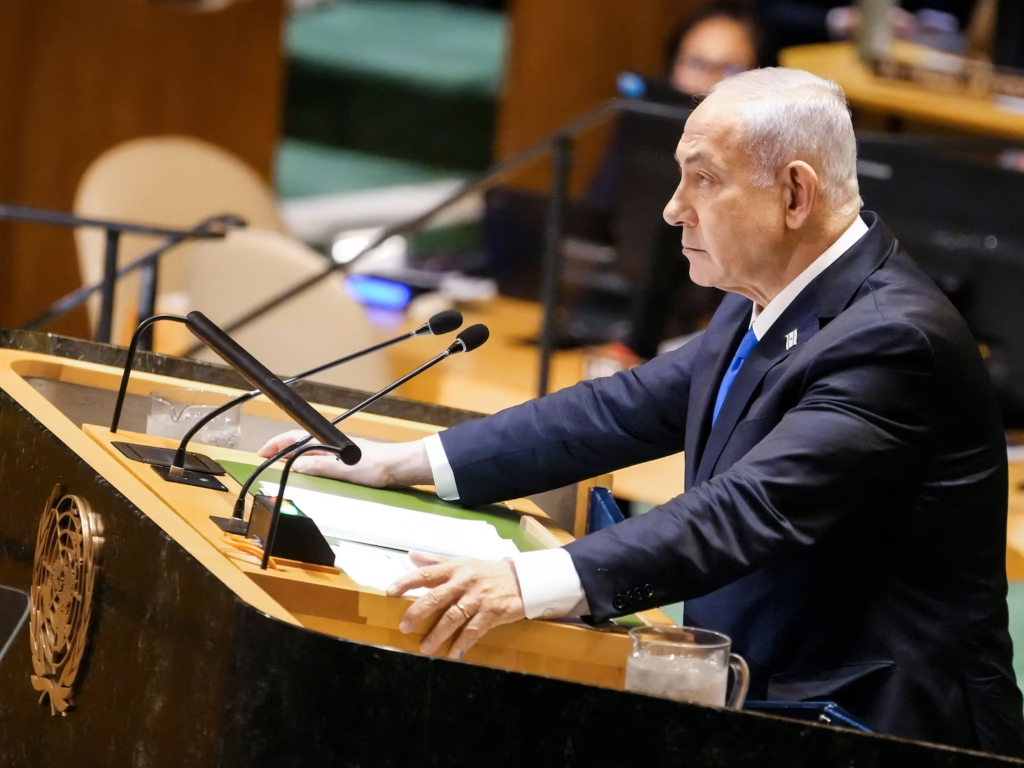
Israel Signals Support for De-escalation Efforts
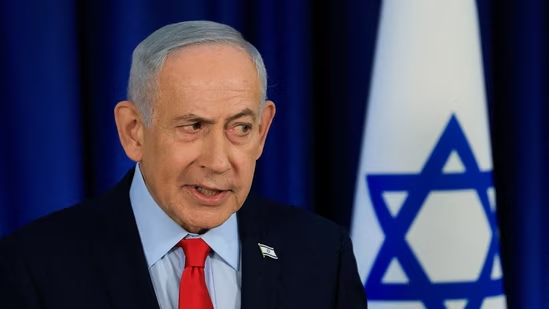
Israel supports Iran de-escalation 2026 through a public endorsement of efforts to reduce military confrontation. Israeli Prime Minister Benjamin Netanyahu confirmed support for a decision to suspend strikes against Iran, describing it as an opportunity to contain rising tensions.
The announcement reflects a cautious but strategic approach as the region faces ongoing instability.
Strategic Pause in Military Operations
The suspension of strikes represents a temporary halt in hostilities rather than a permanent resolution. Israeli officials indicated that the move allows space for diplomatic channels to operate.
Key elements of the pause include:
- Temporary suspension of offensive military actions
- Continued monitoring of Iranian activities
- Maintenance of defensive readiness
This approach aims to balance national security concerns with the need to prevent escalation.
Monitoring Regional Developments Closely
Israeli leadership emphasized that the situation remains fluid. Authorities are closely tracking developments across the region, including military movements and diplomatic negotiations.
Officials noted that any emerging threats would be addressed promptly, indicating that the pause does not signal a weakening of security posture.
Netanyahu Backs Diplomatic Path Forward
Israel supports Iran de-escalation 2026 not only through military restraint but also by advocating for diplomacy. Netanyahu highlighted the importance of coordinated international efforts to avoid further escalation.
Call for International Cooperation
The Israeli government urged global actors to intensify diplomatic engagement. According to official statements, cooperation among allies is essential to stabilizing the region.
Areas of focus include:
- Encouraging dialogue between conflicting parties
- Supporting mediation efforts
- Preventing miscalculations that could trigger wider conflict
This reflects a broader recognition that military solutions alone may not resolve the crisis.
Emphasis on Preventing Wider Conflict
Netanyahu warned that unchecked escalation could have serious consequences beyond the immediate region. He stressed that avoiding a larger confrontation is a shared international responsibility.
The risks highlighted include:
- Disruption of global energy markets
- Increased humanitarian challenges
- Potential involvement of additional countries
These concerns have driven renewed urgency for diplomatic solutions.

Balancing Security Interests and Diplomacy
Israel supports Iran de-escalation 2026 while maintaining a firm stance on national security. Officials reiterated that Israel will continue to defend its interests even as it engages in de-escalation efforts.
Continued Defense Preparedness
Despite the pause in strikes, Israel remains prepared for potential threats. Military readiness continues to be a priority, ensuring that the country can respond quickly if necessary.
This dual approach includes:
- Maintaining active defense systems
- Monitoring intelligence reports
- Coordinating with allied forces
The strategy reflects a balance between caution and preparedness.
Opening Channels for Political Dialogue
The current situation has created an opportunity for renewed diplomatic engagement. Israeli leadership expressed support for initiatives aimed at reopening communication channels with Iran and other stakeholders.
Possible outcomes of such dialogue include:
- Confidence-building measures
- Agreements on conflict de-escalation
- Frameworks for long-term stability
While challenges remain, the shift toward dialogue is seen as a critical step.
Broader Context of Middle East Tensions
Israel supports Iran de-escalation 2026 against the backdrop of a wider regional crisis. The conflict has involved multiple actors and has led to significant military and economic disruptions.
Escalation Leading to the Current Pause
Recent weeks have seen increased military activity, including strikes on infrastructure and rising tensions between Iran and Western powers. These developments heightened fears of a prolonged conflict.
The decision to suspend strikes comes as part of efforts to prevent further escalation.
Impact on Regional Stability
The ongoing crisis has affected several aspects of regional stability:
- Heightened security concerns across neighboring countries
- Disruptions to trade and energy supply routes
- Increased pressure on diplomatic institutions
These factors have underscored the importance of de-escalation efforts.
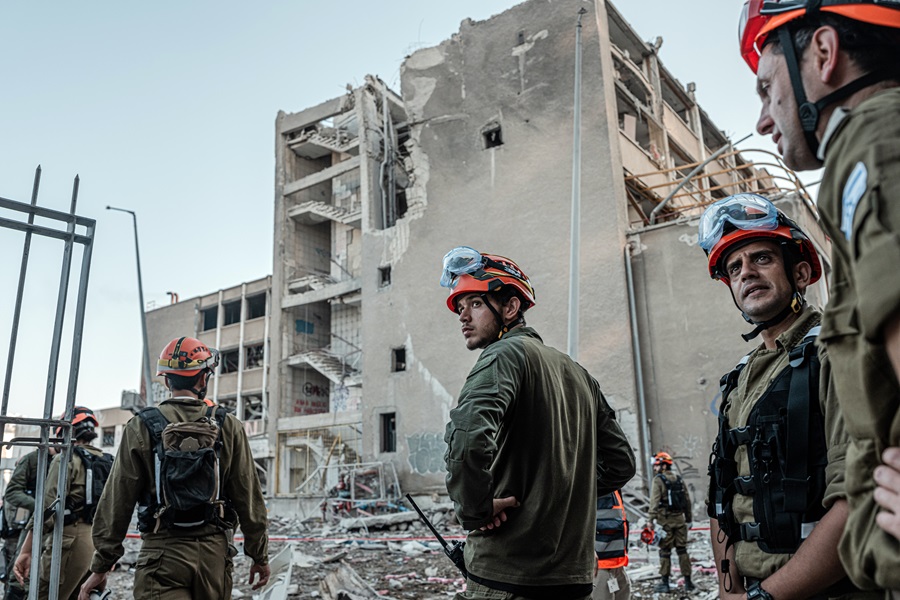
Global Reactions and Diplomatic Momentum
Israel supports Iran de-escalation 2026 as part of a broader international push for stability. Global leaders and organizations have increasingly called for restraint and dialogue.
Growing Support for Ceasefire Efforts
Multiple countries have expressed support for initiatives aimed at reducing tensions. Proposals such as temporary ceasefires and mediated negotiations have gained traction.
This reflects a shared interest in preventing a wider conflict.
Challenges to Sustained De-escalation
Despite positive signals, several challenges remain:
- Deep-rooted geopolitical tensions
- Lack of trust between key actors
- Ongoing military capabilities on all sides
These factors could complicate efforts to achieve lasting peace.
Future Outlook for Israel-Iran Relations
Israel supports Iran de-escalation 2026, but the long-term outlook remains uncertain. The success of current efforts will depend on sustained diplomatic engagement and careful management of security concerns.
Potential Scenarios
Possible outcomes include:
- Gradual reduction in hostilities through diplomacy
- Temporary stability followed by renewed tensions
- Broader regional agreements involving multiple stakeholders
Each scenario carries different implications for regional and global stability.
Importance of Continued Dialogue
Experts widely agree that ongoing communication is essential. Maintaining dialogue channels can help prevent misunderstandings and reduce the risk of sudden escalation.
The current pause offers a window for such engagement.
FAQ
Why does Israel support Iran de-escalation 2026?
Israel supports Iran de-escalation 2026 to reduce the risk of a wider regional conflict and create space for diplomatic solutions while maintaining security readiness.
What does the suspension of strikes mean?
The suspension indicates a temporary halt in military operations aimed at allowing diplomatic efforts to progress and prevent further escalation.
Will Israel continue to defend itself during de-escalation?
Yes, Israel has emphasized that it will maintain full defense preparedness while supporting de-escalation initiatives.
Can diplomacy resolve the Israel-Iran tensions?
Diplomacy may help reduce tensions and establish frameworks for stability, but long-term resolution depends on sustained cooperation and trust-building.
Conclusion
Israel supports Iran de-escalation 2026 as part of a cautious yet strategic response to rising regional tensions. While the suspension of military strikes offers an opportunity for diplomacy, the situation remains complex and uncertain. Continued international cooperation, balanced security measures, and sustained dialogue will be critical in determining whether this shift leads to lasting stability or only a temporary pause in conflict.
PLEASE CLICK HERE FOR MORE NEWS