


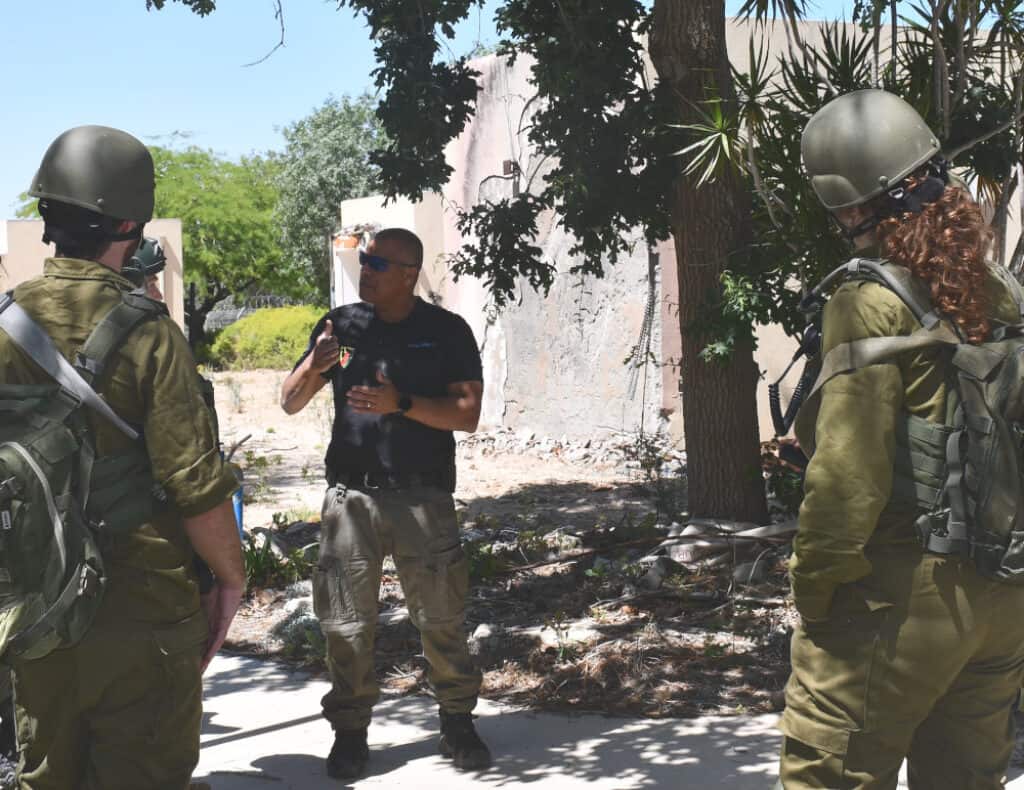
The Israel Gaza border security squads initiative is expanding across dozens of communities as authorities and local organizations work to strengthen civilian preparedness following the October 7, 2023 attacks. A new training program led by Magen 48, in partnership with the Israeli military, is preparing volunteer rapid response teams in border areas near Gaza.
The effort focuses on improving emergency response, defensive coordination, and community protection in locations considered vulnerable to future attacks. The training initiative has already reached dozens of Israeli communities and is expected to grow further in the coming years.
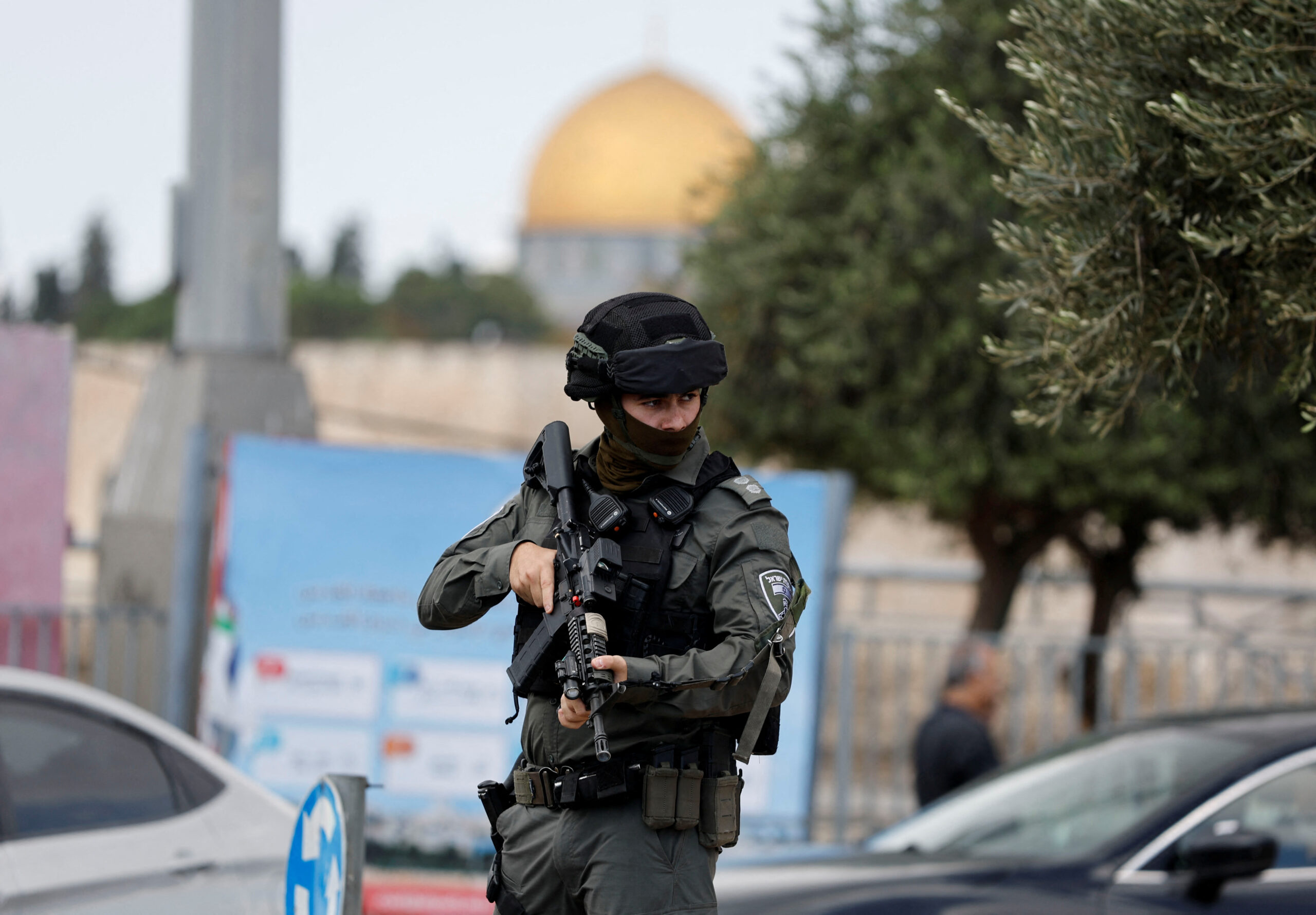

New Security Training Program Introduced
The Israel Gaza border security squads program is operated by Magen 48, an initiative launched by the Israeli NGO Magen Yehuda. The organization says its mission is to equip civilian defenders with advanced knowledge and operational skills designed for emergency situations.
Training sessions are being conducted in cooperation with the Israeli Defense Forces, including the Home Front Command and Gaza Division. Local councils in affected regions are also participating in the initiative.
Training Sessions Underway in Nir Oz
In early May 2026, members of the civilian volunteer security team in Nir Oz completed the second session of an eight-part annual training program.
The community, located near the Gaza border, was among several areas affected during the October 7 attacks. Organizers say the program is designed to help residents rebuild confidence while strengthening local security capabilities.
Participants train in coordinated response tactics, communication procedures, emergency medicine, and defensive operations.
Why the Initiative Was Created
Magen 48 was named in memory of 48 local security team members who were killed during the October 7 attacks carried out by Hamas militants and other armed groups.
The organization says its long-term objective is to ensure that every vulnerable border community is operationally prepared to respond quickly during emergencies.
According to program officials, the initiative also aims to improve coordination between civilian teams and military forces in future crisis situations.
Rapid Response Squads Play Key Role
The local volunteer units being trained are known in Hebrew as “Kitat Konenut,” often translated as Rapid Response Squads.
These units are commonly found in small Israeli communities near Gaza, Lebanon, and parts of the West Bank. Team members are typically former soldiers or reservists who can respond immediately if a threat emerges before larger military forces arrive.
First Line of Defense
Rapid response squads serve as the first organized defense layer for isolated communities.
Their responsibilities may include:
- Responding to infiltrations or attacks
- Assisting with evacuations
- Coordinating communication during emergencies
- Providing initial medical aid
- Protecting key infrastructure and entry points
Organizers say the goal is not only to improve combat readiness but also to strengthen command structure and emergency coordination.
Expanded Team Sizes
Before the new initiative, many communities maintained smaller volunteer teams consisting of roughly 12 members.
Under the updated program, some communities have expanded squad sizes to as many as 28 volunteers. Organizers say this allows for stronger coverage, better coordination, and more sustained emergency response capacity.
The teams include both male and female volunteers.
Lessons Learned From October 7
The October 7 attacks had a major impact on Israeli border communities and continue to influence security planning across the region.
Thousands of militants crossed into southern Israel during the assault, targeting communities and military positions near the Gaza Strip.
Focus on Organization and Coordination
Program co-founder Ari Briggs said one of the major lessons from the attacks involved the importance of team organization rather than individual combat skills alone.
According to Briggs, the new training doctrine emphasizes rapid assembly, communication, and coordinated movement between small teams.
Tactical Response Improvements
The Israel Gaza border security squads program introduced changes to how local teams respond during emergencies.
Key adjustments include:
- Faster deployment of two-person response units
- Improved coordination between squad members
- Earlier engagement with attackers before they reach community centers
- Enhanced communication systems
- Better medical emergency response procedures
Training scenarios also include mock infiltration exercises designed to simulate emergency conditions.
Defensive Infrastructure Planning
Organizers are also helping communities evaluate physical security needs.
This includes reviewing:
- Fence protection systems
- Surveillance camera placement
- Strongpoint defensive positions
- Emergency communication systems
- Access control points
Each community receives a tailored security assessment based on geography and local vulnerabilities.
Hundreds of Training Sessions Completed
Officials involved in the initiative say more than 550 training sessions have already taken place across the Gaza border region.
Over 1,500 volunteers have reportedly completed training exercises so far.
Coverage Across 67 Communities
The training program has reached 67 communities near the Gaza border. Organizers say this serves as a proof of concept for a broader national effort.
Briggs stated that future plans could eventually expand training support to as many as 600 communities across Israel.
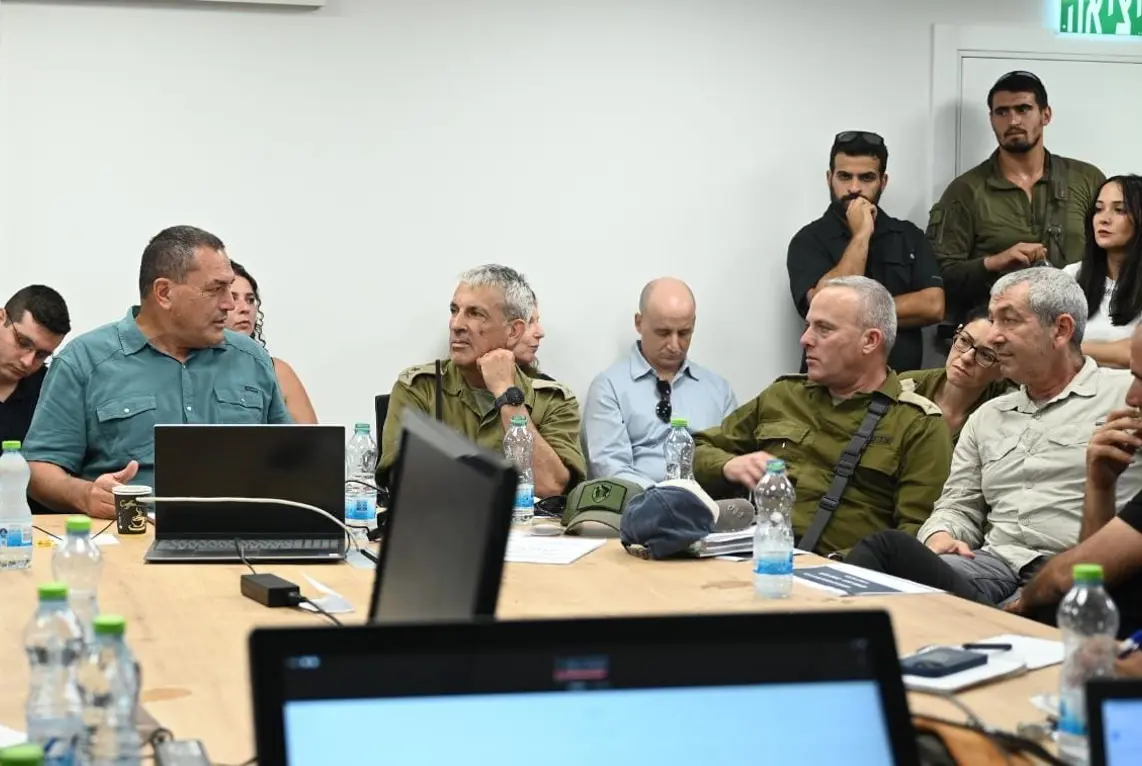

Concerns Over Border Community Safety
Many residents living near Israel’s borders remain concerned about security despite ongoing reconstruction efforts.
Following the October 7 attacks, more than 74,000 people were evacuated from communities near Gaza. Similar evacuations also occurred in northern Israel due to security tensions near Lebanon.
While some residents have returned, surveys indicate that many families still have concerns about long-term safety and emergency preparedness.
Cooperation Between Civilian Teams and the IDF
The initiative operates in coordination with the Israeli military, with reservists receiving time away from work to attend training sessions.
Participants reportedly undergo regular exercises throughout the year to maintain readiness.
Increased Access to Training Resources
Organizers say the program has also expanded access to ammunition and shooting practice.
Before October 7, volunteers reportedly received limited ammunition allocations for yearly range training. The updated system aims to improve readiness standards for civilian response teams.
Participants are expected to maintain shooting proficiency at distances of up to 150 meters.
Emphasis on Emergency Medicine
In addition to tactical exercises, the training also includes emergency medical support procedures.
Volunteers learn how to provide immediate assistance to injured civilians while coordinating with professional emergency services.
Medical preparedness became a key focus after many communities faced delayed rescue operations during the October 2023 attacks.
Security Developments Continue Along Gaza Border
The Israel Gaza border security squads initiative comes as Israeli officials continue broader security discussions related to Gaza and regional stability.
Israeli Prime Minister Benjamin Netanyahu recently met with Gaza Board of Peace Director Nickolay Mladenov to discuss ceasefire conditions and Hamas disarmament efforts.
At the same time, the Israeli military reported ongoing operations targeting Hamas members inside Gaza.
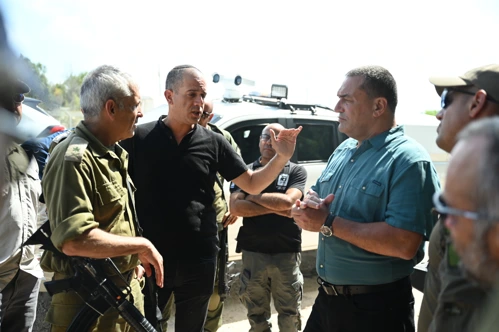

Rebuilding Border Communities
Alongside security measures, rebuilding efforts continue across affected communities.
Many residents are working to restore homes, schools, and agricultural operations damaged during the conflict. Local authorities say long-term recovery will depend on both infrastructure improvements and stronger public confidence in community safety.
The security training initiative is viewed by organizers as part of that broader rebuilding process.
FAQ Section
What are Israel Gaza border security squads?
These are civilian rapid response teams trained to defend local communities near Gaza and respond quickly during emergencies before military reinforcements arrive.
Why did Israel expand civilian security training near Gaza?
The expansion followed the October 7, 2023 attacks, which exposed vulnerabilities in border community preparedness and emergency coordination.
How many communities are involved in the training program?
According to organizers, 67 communities near the Gaza border have already participated in the training initiative.
What does the Magen 48 training program include?
The program includes tactical coordination, emergency response procedures, medical support training, defensive planning, and communication drills.
Israel’s expanded civilian security training initiative reflects ongoing efforts to strengthen preparedness in border communities following the October 2023 attacks. As reconstruction continues in affected regions, local authorities and volunteer teams are focusing on emergency readiness, defensive coordination, and long-term community security.
Click here for more news


