


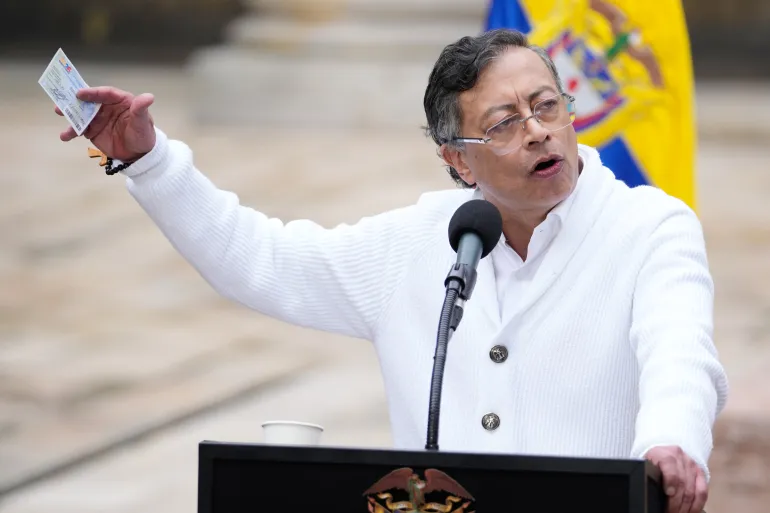
The Israel Colombia election interference claim has drawn international attention after Colombia’s outgoing President Gustavo Petro alleged that foreign actors, including Israel and the United States, may have influenced the outcome of the country’s recent presidential runoff election. The allegations center on claims of digital manipulation and external political involvement following a closely contested vote.
The controversy has triggered political debate within Colombia, especially after preliminary results showed Petro’s preferred candidate losing by a narrow margin.
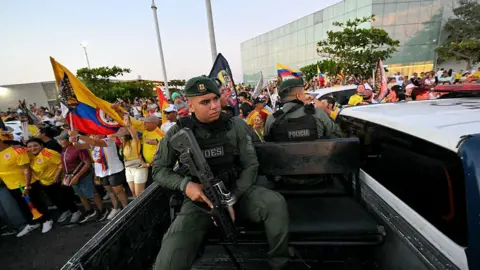

Background of the Colombia Presidential Runoff Election
Colombia’s recent presidential runoff election was one of the most closely watched political events in the region. The contest featured competing ideological blocs with sharply different political visions for the country’s future.
Tight Race Between Political Opponents
The election was primarily contested between:
- A left-leaning candidate supported by President Gustavo Petro
- Right-leaning opposition candidate Abelardo de la Espriella
The final vote margin was small, intensifying scrutiny of the electoral process.
Key Issues Influencing the Election
Several national concerns shaped voter behavior:
- Economic inequality and inflation pressures
- Public security and internal conflict
- Institutional trust in democratic systems
- Foreign relations and geopolitical alignment
These issues contributed to a highly polarized political environment.
Rising Political Tensions Before Results
Before final results were announced, tensions were already high due to:
- Heated political campaigns
- Accusations of misinformation
- Public protests in some regions
- Deep ideological divisions
The narrow outcome further amplified disputes over legitimacy.
Allegations Made by President Gustavo Petro
The Israel Colombia election interference claim originated from public statements made by President Gustavo Petro on the social media platform X, where he raised concerns about electoral integrity.
Claims of Digital Manipulation
Petro alleged that the election process may have been influenced through digital mechanisms.
Specific Concerns Raised
- Possible manipulation of online political narratives
- Influence on voter perception through digital platforms
- Coordinated online activity affecting election discourse
These claims suggested that digital tools may have played a role in shaping voter behavior.
Accusations Involving Foreign Countries
In his posts, Petro specifically referenced alleged involvement by:
- Israel
- The United States
He suggested that these countries may have supported opposition forces during the election process.


Nature of the Allegations
The claims focused on:
- External political influence
- Possible coordination with domestic opposition
- Impact on electoral outcomes through indirect means
No formal evidence was provided alongside the public statements.
Response from Colombia’s Attorney General
Colombia’s Attorney General Gregorio Eljach responded to the allegations by rejecting claims of confirmed interference.
Official Position on Election Integrity
The Attorney General emphasized:
- No verified evidence supports the allegations
- Electoral processes remain legally valid
- Institutions continue to function under established laws
This response highlighted the gap between political claims and institutional findings.
Emphasis on Legal Process
Authorities stressed that any concerns regarding the election should follow formal procedures.
Standard Electoral Review Channels
- Judicial review mechanisms
- Electoral oversight bodies
- Formal complaint systems
- Independent verification processes
These systems are designed to ensure transparency and accountability.
Digital Influence and Modern Election Concerns
The Israel Colombia election interference claim reflects broader global concerns about the role of digital platforms in elections.
Growing Role of Social Media in Elections
Modern elections are increasingly shaped by online platforms, where political communication occurs in real time.
Key Digital Election Dynamics
- Rapid spread of political messaging
- Influence of algorithm-driven content
- Use of targeted political advertising
- Increased exposure to misinformation risks
These factors make election environments more complex.
Digital Manipulation Allegations Worldwide
Claims of digital interference have emerged in several countries in recent years, often involving:
- Social media influence campaigns
- Cybersecurity concerns
- Foreign information operations
- Online propaganda networks
Such claims typically require detailed investigations to confirm.
Political Impact in Colombia
The allegations surrounding the Israel Colombia election interference claim could have significant political consequences domestically.
Effect on Public Trust in Elections
Public reaction to interference claims may include:
- Reduced confidence in electoral systems
- Increased political polarization
- Calls for recounts or investigations
- Heightened public debate
Trust in democratic institutions is often sensitive to such allegations.
Potential Diplomatic Consequences
Accusations involving foreign governments can also affect international relations.
Possible impacts include:
- Diplomatic tensions
- Strained bilateral cooperation
- Requests for clarification or evidence
- Media and political scrutiny
These outcomes depend on how the situation develops.
Institutional Framework for Electoral Disputes
Colombia has established legal structures to manage electoral disagreements and ensure fairness.
Role of Electoral Authorities
Key institutions involved include:
- National Electoral Council
- Judicial oversight bodies
- Attorney General’s Office
These bodies help maintain election transparency and compliance.
Mechanisms for Addressing Complaints
Electoral concerns can be addressed through:
- Formal legal petitions
- Vote recount procedures
- Court evaluations
- Administrative investigations
These systems aim to resolve disputes through lawful processes.
Broader Debate on Foreign Interference in Elections
The situation has also contributed to wider discussions about foreign involvement in democratic processes.
Global Concerns About Election Security
Common concerns include:
- Cyberattacks targeting election systems
- Disinformation campaigns
- Online political manipulation
- Financial or indirect political influence
These issues have become central to modern electoral security debates.
Importance of Evidence-Based Findings
Experts emphasize that claims of interference must be supported by:
- Verified intelligence reports
- Independent investigations
- Transparent electoral audits
- Legal documentation
Without evidence, such claims remain unconfirmed allegations.

FAQ
Why is Israel being mentioned in the Colombia election controversy?
President Gustavo Petro alleged that Israel and the United States may have interfered in the election process, though no official evidence has been confirmed.
What did Colombia’s Attorney General say about the claims?
Attorney General Gregorio Eljach dismissed the allegations, stating there is no verified proof of foreign interference.
Who is involved in the Colombia election dispute?
The dispute involves President Gustavo Petro, his preferred candidate, opposition candidate Abelardo de la Espriella, and alleged foreign involvement claims.
Is there evidence of election interference in Colombia?
As of now, no verified evidence has been presented by official institutions confirming any interference.
The Israel Colombia election interference claim remains an ongoing political discussion that highlights broader global concerns about electoral integrity and digital influence. While allegations have been made publicly, official institutions continue to rely on established legal frameworks and evidence-based processes to assess the situation and maintain democratic stability.
Click here for more news


