 0
0
 0
0
Israel Beirut airstrikes Lebanon 2026 triggered widespread panic as the Lebanese capital experienced one of the most intense bombardments since the conflict with Hezbollah began. Multiple airstrikes were carried out simultaneously across Beirut and other regions, leaving dozens dead and hundreds injured, according to Lebanese authorities.
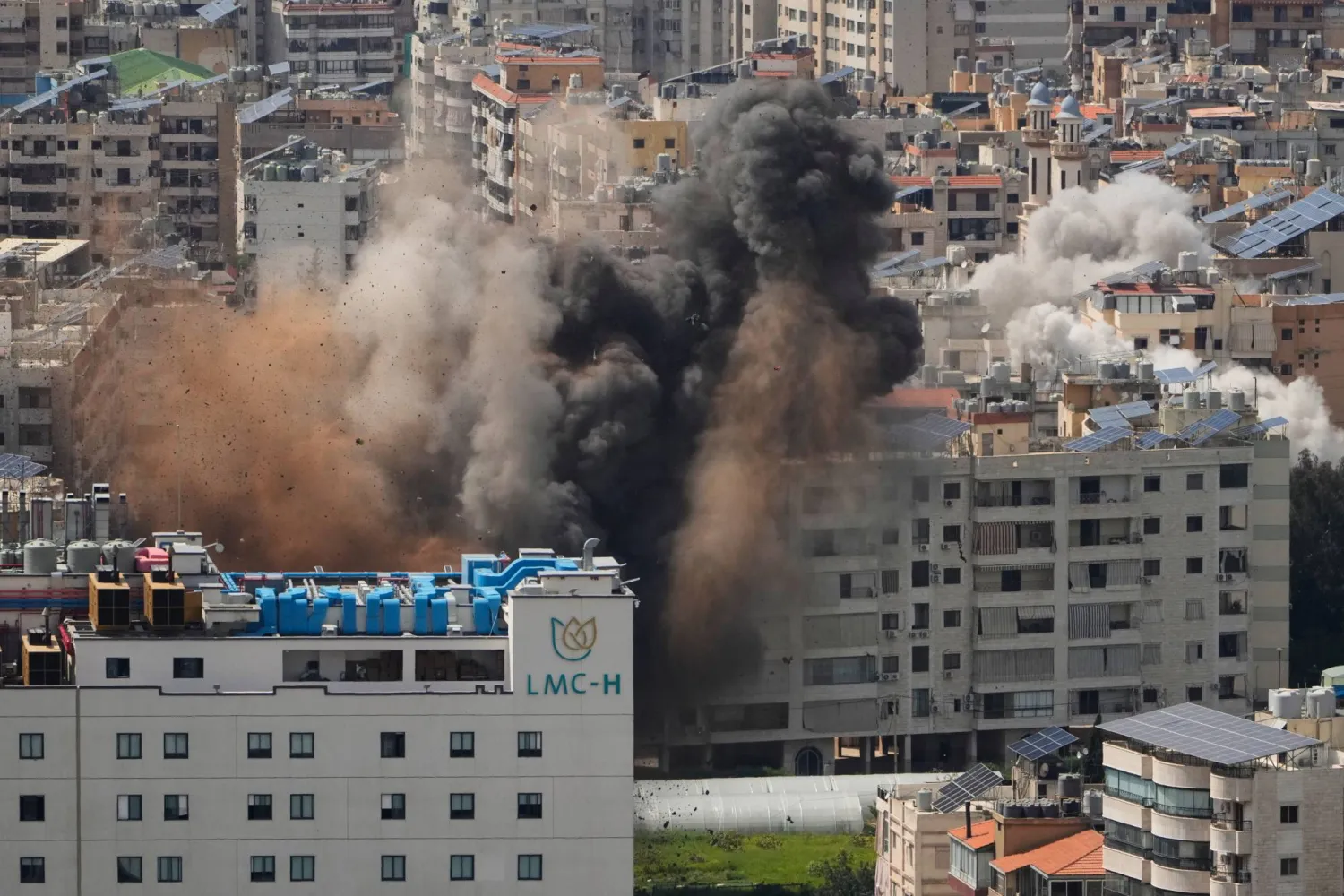
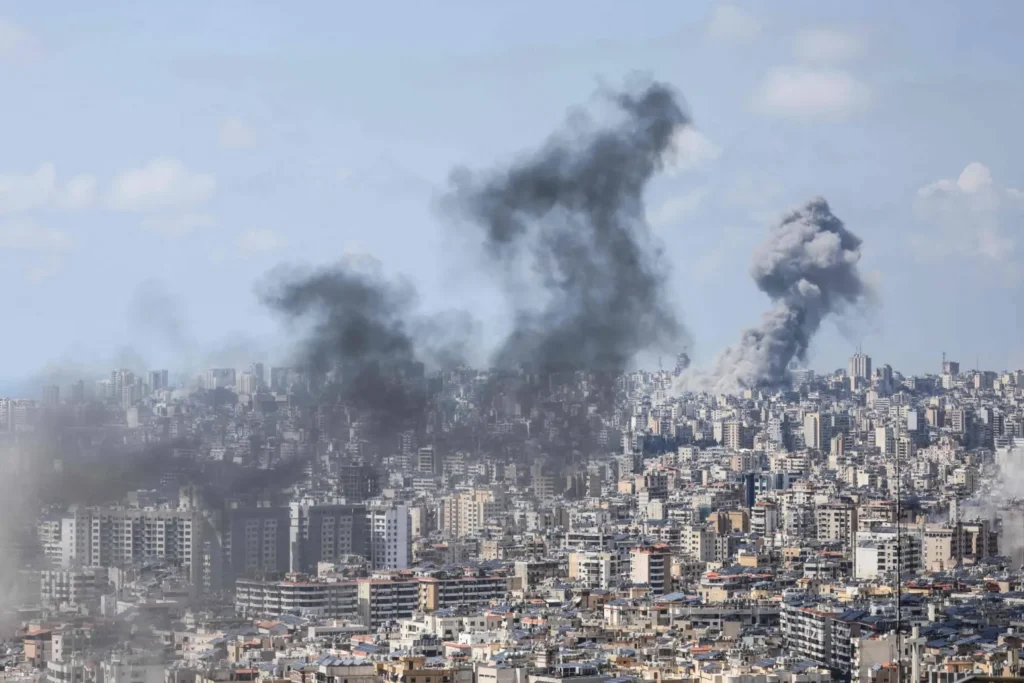
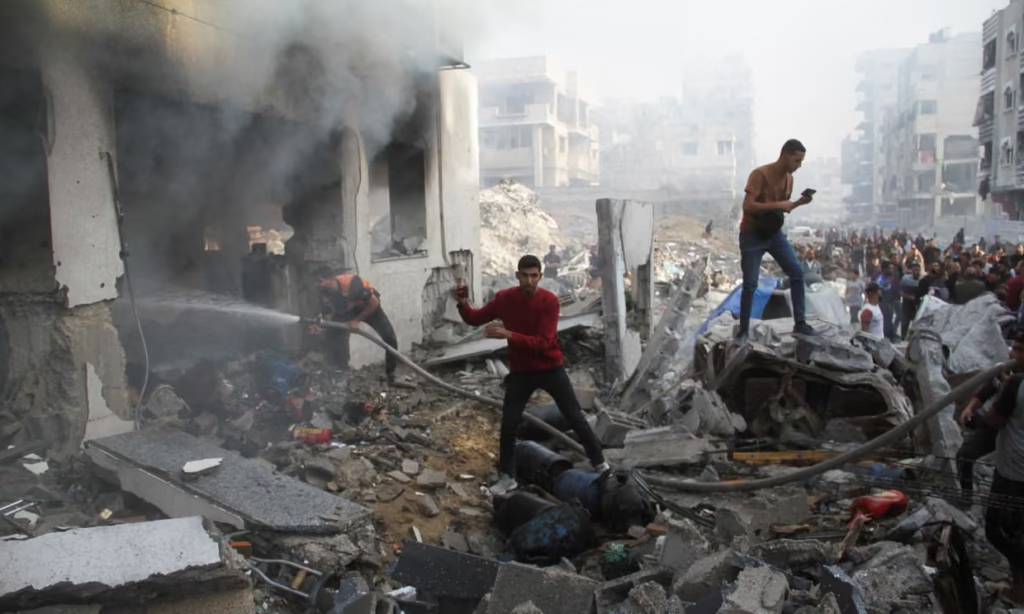
The strikes marked a major escalation, with plumes of smoke rising across the city and emergency services struggling to respond quickly to the scale of destruction. Residents described scenes of chaos as explosions echoed across neighborhoods.
Casualties and Emergency Response Efforts Intensify
Lebanon’s health ministry reported that the Israel Beirut airstrikes Lebanon 2026 resulted in significant casualties in an initial count. Hospitals were overwhelmed as emergency teams rushed to treat the wounded.
Authorities issued urgent calls for roads to be cleared to allow ambulances access to affected areas. Traffic congestion and panic among civilians complicated rescue operations.
Initial Casualty Figures
- Dozens reported dead
- Hundreds injured
- Ongoing search and rescue efforts
Strain on Healthcare System
Medical facilities in Beirut and surrounding areas faced immediate pressure due to the sudden influx of casualties. The scale of injuries ranged from minor wounds to critical conditions.
Beirut Witnesses Unprecedented Panic and Destruction
Eyewitness accounts highlighted the severity of the Israel Beirut airstrikes Lebanon 2026, with c ivilians fleeing streets and vehicles honking to clear paths amid explosions.
One of the strikes hit a major road, causing extensive damage to buildings and vehicles. Fires broke out in multiple locations, further complicating emergency response efforts.
Eyewitness Accounts from Beirut
Residents described:
- Sudden, powerful explosions
- Buildings collapsing or catching fire
- Civilians running for safety
Infrastructure Damage
Key infrastructure, including roads and residential buildings, suffered heavy damage. Burnt vehicles and debris littered several areas of the city.
Israeli Military Justifies Large-Scale Operation
Israeli officials stated that the Israel Beirut airstrikes Lebanon 2026 targeted hundreds of Hezbollah members across Lebanon. The operation was described as one of the largest strikes against the group since a major military action in 2024.
The strikes came despite a two-week ceasefire agreement involving the United States and Iran, raising concerns about the scope and limitations of the truce.
Military Objectives
- Target Hezbollah personnel
- Disrupt militant operations
- Demonstrate military capability
Ceasefire Complications
Israel maintained that its operations against Hezbollah were not covered under the ceasefire, creating uncertainty about the agreement’s effectiveness.
Displacement Warnings and Civilian Movement
The Israel Beirut airstrikes Lebanon 2026 also led to renewed evacuation warnings. Israeli authorities urged residents in certain areas to leave immediately, citing ongoing military operations.
However, Lebanese military officials warned civilians against returning to affected regions due to continued risks from airstrikes.
Evacuation and Safety Advisories
- Residents advised to leave targeted zones
- Warnings against returning to southern regions
- Ongoing uncertainty about safe areas
Displacement Trends
Many civilians began moving south or seeking temporary shelter, while others remained in place awaiting official guidance.
Hezbollah Response and Civilian Reactions
Hezbollah indicated that displaced individuals should avoid returning to affected areas until a final ceasefire is officially declared.
Some civilians expressed reliance on regional allies, hoping for protection amid ongoing attacks. Others remained uncertain about the situation, awaiting clearer communication from authorities.
Political Reactions and Regional Implications
Lebanese leadership welcomed broader diplomatic efforts to reduce tensions in the region. However, the Israel Beirut airstrikes Lebanon 2026 highlighted the fragility of ceasefire agreements and the complexity of the conflict.
Government Position
Officials emphasized that decisions regarding war and peace should remain under national authority.
Calls for International Support
Lebanese leaders urged global partners to help stop further escalation and ensure stability.
Wider Impact of the Escalation
The Israel Beirut airstrikes Lebanon 2026 come amid an already volatile regional environment. Continued military actions risk expanding the conflict and increasing humanitarian challenges.
Humanitarian Concerns
- Rising casualties
- Increased displacement
- Limited access to essential services
Regional Stability Risks
The escalation may influence neighboring countries and ongoing diplomatic negotiations, raising concerns about a broader conflict.
Background to the Ongoing Conflict
The conflict intensified after Hezbollah launched attacks on Israel earlier in 2026, drawing Lebanon deeper into regional tensions. Since then, repeated exchanges have led to mounting casualties and displacement across the country.
Timeline of Key Developments
- Early 2026: Rising tensions and initial clashes
- March 2026: Escalation of cross-border attacks
- April 2026: Major Israeli airstrikes on Beirut
Strategic Importance of Beirut
As Lebanon’s capital, Beirut holds political, economic, and symbolic significance, making it a central focus during escalations.
FAQ
What caused the Israel Beirut airstrikes Lebanon 2026?
The strikes were carried out by Israel targeting Hezbollah members across Lebanon amid ongoing conflict.
How many casualties were reported in Beirut?
Initial reports indicated dozens killed and hundreds injured, with numbers expected to rise.
Was there a ceasefire in place during the strikes?
A ceasefire existed between the US and Iran, but Israel stated it did not apply to its operations against Hezbollah.
What is the current situation in Beirut after the airstrikes?
Emergency services are responding to casualties, infrastructure damage is widespread, and civilians are being advised to follow safety guidelines.
Conclusion:
The Israel Beirut airstrikes Lebanon 2026 represent a significant escalation in the ongoing conflict, with devastating humanitarian and infrastructural impacts. As diplomatic efforts continue, the situation remains fluid, highlighting the urgent need for sustained dialogue and measures to protect civilians.
PLEASE CLICK HERE FOR MORE NEWS