 0
0
 0
0
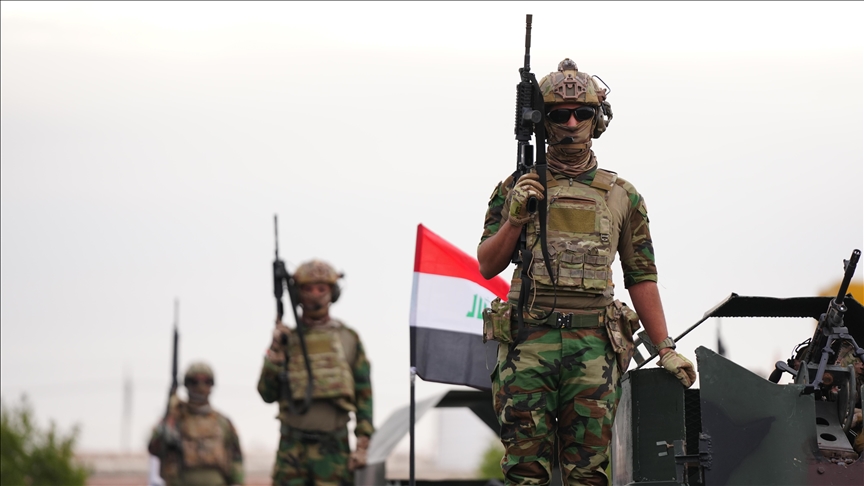
Iraq raises combat readiness 2026 after a series of attacks on foreign oil tankers near Basra, signaling a heightened effort to protect its territorial waters and key commercial ports amid growing regional tensions. The move comes as part of a strategic initiative to safeguard Iraq’s economic infrastructure and maintain maritime security.
Inspection Tour of Ports and Oil Infrastructure
Iraq’s military has actively increased vigilance following recent maritime incidents.
Grand Faw Port Inspection
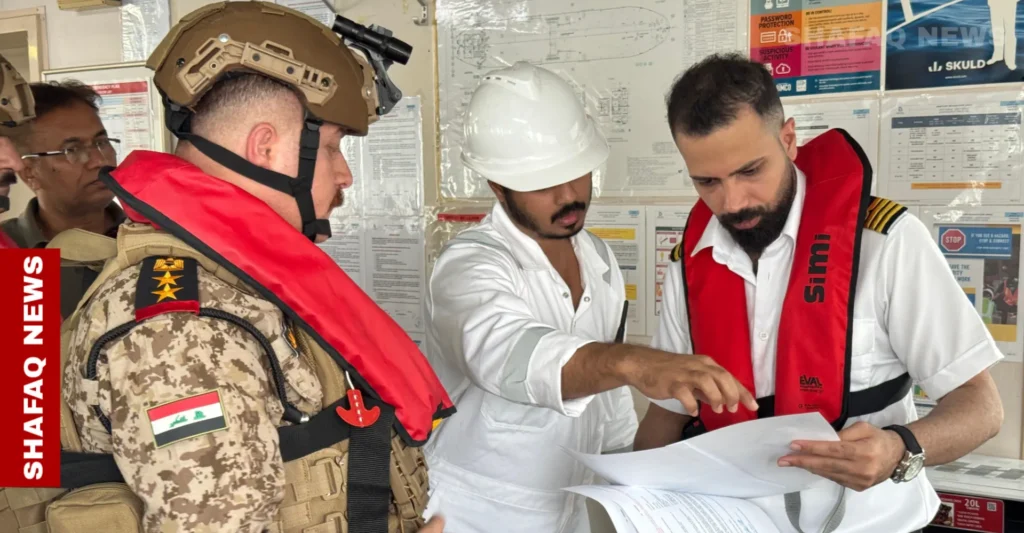
The Iraqi Navy commander, Mazen Abdul Wahid Kabyan, conducted an inspection at the Grand Faw Port in southern Iraq. The inspection focused on port protection units and reinforced security measures to prevent further attacks.
Review of Attacked Tankers
Kabyan also reviewed the two foreign oil tankers recently attacked near the Port of Basra and in the Khor Abdullah channel. Both vessels suffered fires, highlighting vulnerabilities in Iraq’s territorial waters.
Orders for Heightened Combat Readiness
During his tour, Kabyan ordered all units to increase combat readiness, emphasizing that the nation’s oil and commercial ports are “the artery of the Iraqi economy,” according to the Iraqi News Agency.
Regional Context of Rising Tensions
The decision to boost combat readiness is linked to escalating regional conflict in the Middle East.
February 28 Attacks
Tensions intensified after the joint US-Israel attacks on Iran on February 28, 2026, which reportedly killed over 1,200 people, including Supreme Leader Ayatollah Ali Khamenei.
Iranian Retaliation
In response, Iran launched drone and missile strikes targeting Israel, Jordan, Iraq, and Gulf countries. Tehran cited these strikes as retaliation for what it describes as attacks on US military assets in the region.
Strategic Importance of Iraqi Ports
Iraq’s territorial waters and ports play a critical role in its economy, especially in oil exports. Protecting these areas is essential to maintaining both national revenue and regional trade stability.
Security Measures and Naval Preparedness As Iraq raises combat readiness 2026
The Iraqi Navy has detailed steps to strengthen defenses across its waterways and port infrastructure.
Increased Patrols
Naval units have been deployed on a 24-hour patrol schedule to monitor suspicious activity near oil terminals and shipping lanes.
Coordination with Port Security
Enhanced collaboration between port authorities and military forces ensures rapid response to potential threats, including sabotage or missile attacks.
Strategic Defense Installations
Iraq is reinforcing coastal defense installations, including radar systems, to detect unauthorized incursions and improve early warning capabilities.
Implications for International Shipping
The heightened combat readiness affects both foreign and domestic shipping companies operating in the region.
-
Shipping insurers may adjust premiums for vessels passing through Iraq’s territorial waters.
-
International companies are likely to increase compliance with Iraqi maritime regulations.
-
Diplomatic channels may be engaged to ensure continued safe passage for commercial oil shipments.
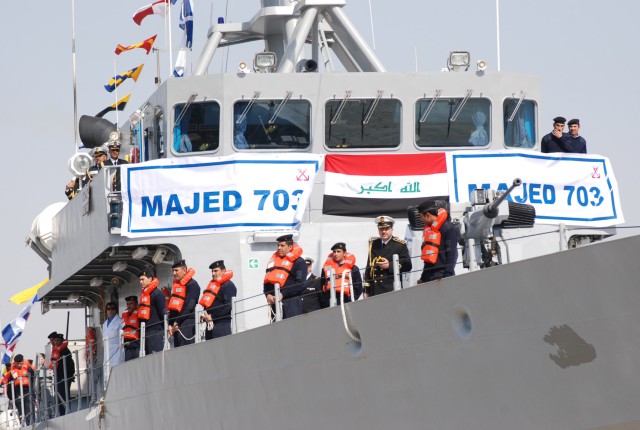
Iraqi Navy patrol ship at Grand Faw Port during security inspection
Future Outlook As Iraq raises combat readiness 2026
The Iraqi government’s proactive measures indicate a commitment to maritime security and economic stability. Analysts note that continued regional volatility could result in further security upgrades, including:
-
Expansion of naval capabilities and rapid response teams
-
Enhanced intelligence sharing with neighboring countries
-
Strengthened coordination with international maritime authorities
Regional and Economic Significance
Iraq’s ports are not only vital for oil exports but also serve as gateways for trade across the Gulf. Protecting them is crucial for regional economic stability and for preventing disruption to global oil markets.
Economic Risks
-
Damage to vessels or port infrastructure could disrupt oil export revenue, affecting Iraq’s economy.
-
Delays in shipping and heightened security measures may increase costs for international trade.
Strategic Message
By raising combat readiness, Iraq sends a clear signal to both regional actors and global stakeholders that its territorial waters and economic assets are high-priority security zones.
FAQ
Why did Iraq raise combat readiness in 2026?
Iraq raised combat readiness following attacks on foreign oil tankers near Basra and amid regional tensions triggered by US-Israel-Iran conflicts.
Which ports were inspected by Iraqi Navy officials?
The Iraqi Navy conducted inspections at Grand Faw Port and reviewed the affected oil tankers in the Port of Basra and Khor Abdullah channel.
How does this affect regional security?
Increased combat readiness strengthens Iraq’s maritime defenses, protects economic assets, and signals a firm stance amid escalating Middle East tensions.
What measures have been taken to protect oil shipments?
The Navy has increased patrols, coordinated with port security, and reinforced coastal defense installations to safeguard shipping routes.
Conclusion
The Iraq raises combat readiness 2026 decision underscores the strategic importance of territorial waters and oil ports. By strengthening maritime security in 2026, Iraq aims to safeguard its economic lifelines and send a clear message to regional actors about its commitment to protecting national interests amid escalating geopolitical tensions.