 0
0
 0
0
The Iranian refugee crisis Central Asia 2026 is escalating as millions of Iranians flee their homes following intensified US-Israeli air strikes. With Tehran experiencing one of the heaviest bombardments on March 13, concerns about cross-border refugee flows into neighboring Central Asian countries have grown significantly.
Rising Displacement Within Iran
Internal Movement of Millions
The United Nations High Commissioner for Refugees (UNHCR) reports that up to 3.2 million people have been temporarily displaced within Iran since the air strikes began on February 28. The majority of those affected are leaving Tehran and other heavily targeted regions, seeking safety in northern and less targeted areas.
Conditions for Internally Displaced People
Families moving north face extreme challenges, including overcrowded shelters and reliance on relatives or temporary community housing. Rising demand for food and essentials has driven prices up sharply, with staples such as rice, flour, and cooking oil reportedly increasing up to tenfold in some regions.
Border Responses Across Central Asia
Armenia and Turkey
Armenia and Turkey have seen some movement of refugees, though border access remains limited. On the Armenian border, Iranian authorities reportedly allow mainly foreign or dual citizens to exit the country. Meanwhile, at the Turkish border, around 1,300 people per day are leaving Iran, with some returning shortly after due to property concerns or financial limitations.
Turkmenistan’s Strict Controls
Iran shares a 1,148-kilometer border with Turkmenistan, but officials in Ashgabat have barred ordinary Iranian citizens from crossing. Enhanced border patrols, including drones, monitor northern Iranian districts such as Robat, Hasanabad, Gorgan Incheburun, Kerend, Balahi, and parts of Mashhad province.
-
Turkmenistan cites limited economic and military capacity as reasons for restricting refugee entry.
-
Only third-country nationals are being evacuated through major border crossings: Sarakhs, Artyk, Howdan, and Altyn Asyr.
-
Historical context shows only small, temporary movements of ethnic Turkmens during previous conflicts, such as the Iran–Iraq War.
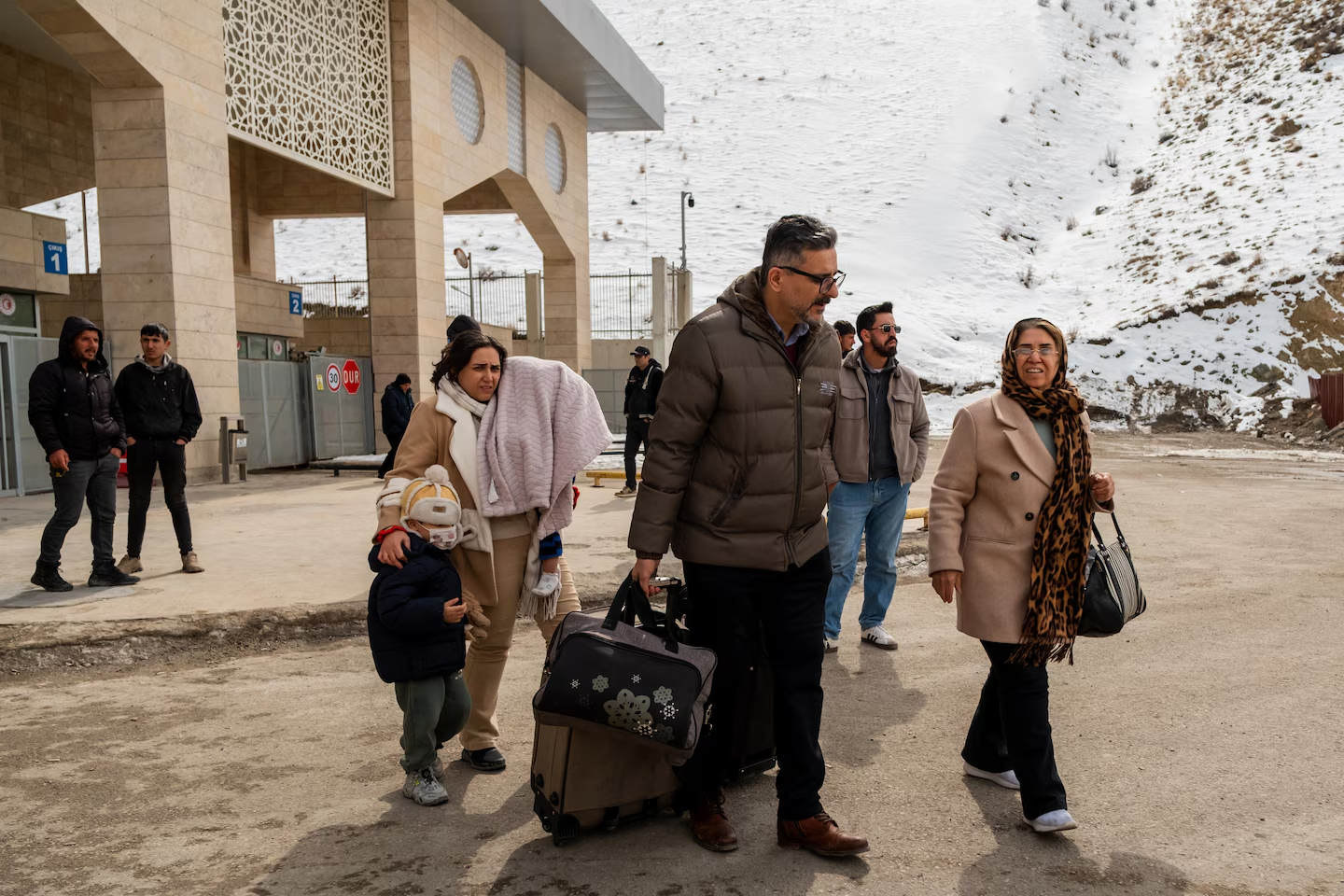
Iranian refugees crossing border into Armenia amid 2026 air strikes
UNHCR Preparedness in Central Asia
Logistics Hub in Termez
The UNHCR has established a key logistics hub in Termez, southern Uzbekistan, near the Afghan border. Operational since October 2021 and integrated into the global stockpile network in 2025, the hub stores essential relief items:
-
Family tents
-
Blankets and sleeping mats
-
Kitchen sets and jerry cans
-
Solar lamps and basic hygiene kits
This hub enables a rapid humanitarian response if refugees begin to arrive in larger numbers.
Coordination With Governments
UNHCR’s Central Asia representative, Mahir Safarli, emphasizes that coordination with Kazakhstan, Kyrgyzstan, Tajikistan, and Turkmenistan is ongoing. While current refugee flows are manageable, the agency is ready to assist if the humanitarian situation escalates, urging neighboring countries to uphold international protection obligations.
Personal Accounts From Iranian refugee crisis Central Asia 2026
Crossing Into Armenia
Refugees describe devastating losses and fear for their lives. One person crossing into Armenia said: “We have lost everything. Nothing exists in Iran anymore. Unfortunately, things are very difficult.”
Impact of Air Strikes
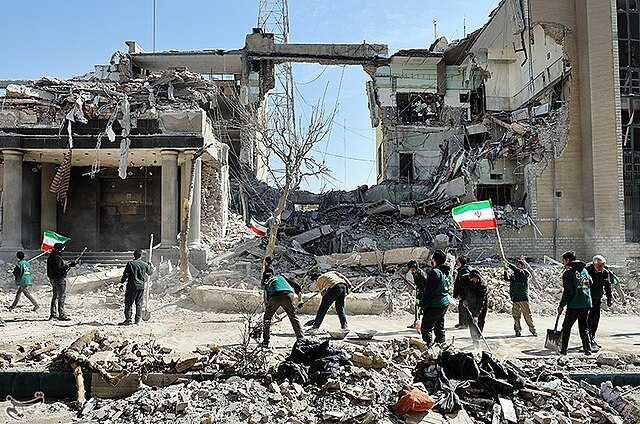
Residents of Bukan and other northern cities report attacks on government offices and surrounding areas, resulting in casualties and extensive damage. An elderly woman described shattered doors and windows and the deaths and injuries of several civilians.
Potential Humanitarian Strain
Internal Displacement Pressure
Northern communities within Iran face rising pressures due to displaced populations. The sudden influx strains limited resources and inflates local prices, challenging the ability of residents to maintain basic living standards.
Regional Implications
Should refugee flows cross borders into Central Asia, countries like Kazakhstan, Kyrgyzstan, Tajikistan, and Turkmenistan will face immediate humanitarian responsibilities. UNHCR underscores the need for access to asylum, protection from refoulement, and provision of basic services to those forced to flee.
Future Outlook
The situation remains fluid, with the potential for increased displacement if air strikes continue or expand. Monitoring, preparedness, and coordinated regional responses remain critical to preventing a large-scale humanitarian crisis in Central Asia.
FAQ Section
-
What is the current scale of the Iranian refugee crisis Central Asia 2026?
The UNHCR estimates 3.2 million people displaced internally in Iran, with border crossings currently limited, but regional monitoring is ongoing. -
Which Central Asian countries are affected by Iranian refugees?
Kazakhstan, Kyrgyzstan, Tajikistan, and Turkmenistan are key countries where refugee management and asylum policies are being coordinated. -
What measures has UNHCR taken for the Iranian refugee crisis 2026?
UNHCR maintains a logistics hub in Termez, Uzbekistan, with tents, blankets, and essential supplies ready for rapid deployment if cross-border flows increase. -
Why is Turkmenistan restricting entry of Iranian refugees?
Economic limitations, military capacity concerns, and historical policies lead Turkmenistan to allow only third-country nationals at its border.
Conclusion
The Iranian refugee crisis Central Asia 2026 highlights the urgent humanitarian challenges arising from regional conflict. With millions internally displaced and cross-border refugee flows limited but possible, preparedness, coordination, and respect for international protection obligations are critical to preventing a broader crisis.
PLEASE CLICK HERE FOR MORE NEWS