


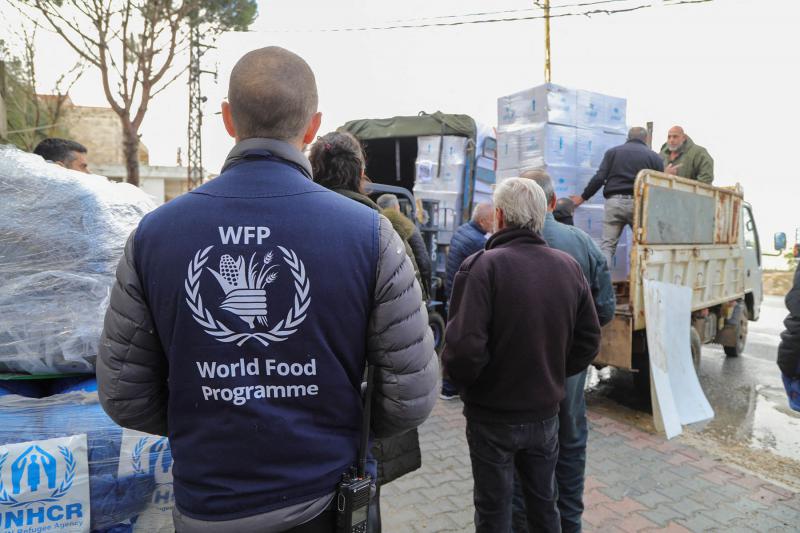
The Iran war global food crisis 2026 is emerging as a major concern, with experts warning that ongoing conflict, climate challenges, and reduced humanitarian funding could intensify hunger across vulnerable regions. A new global report highlights that food insecurity is not only persisting but may worsen significantly in the coming year.
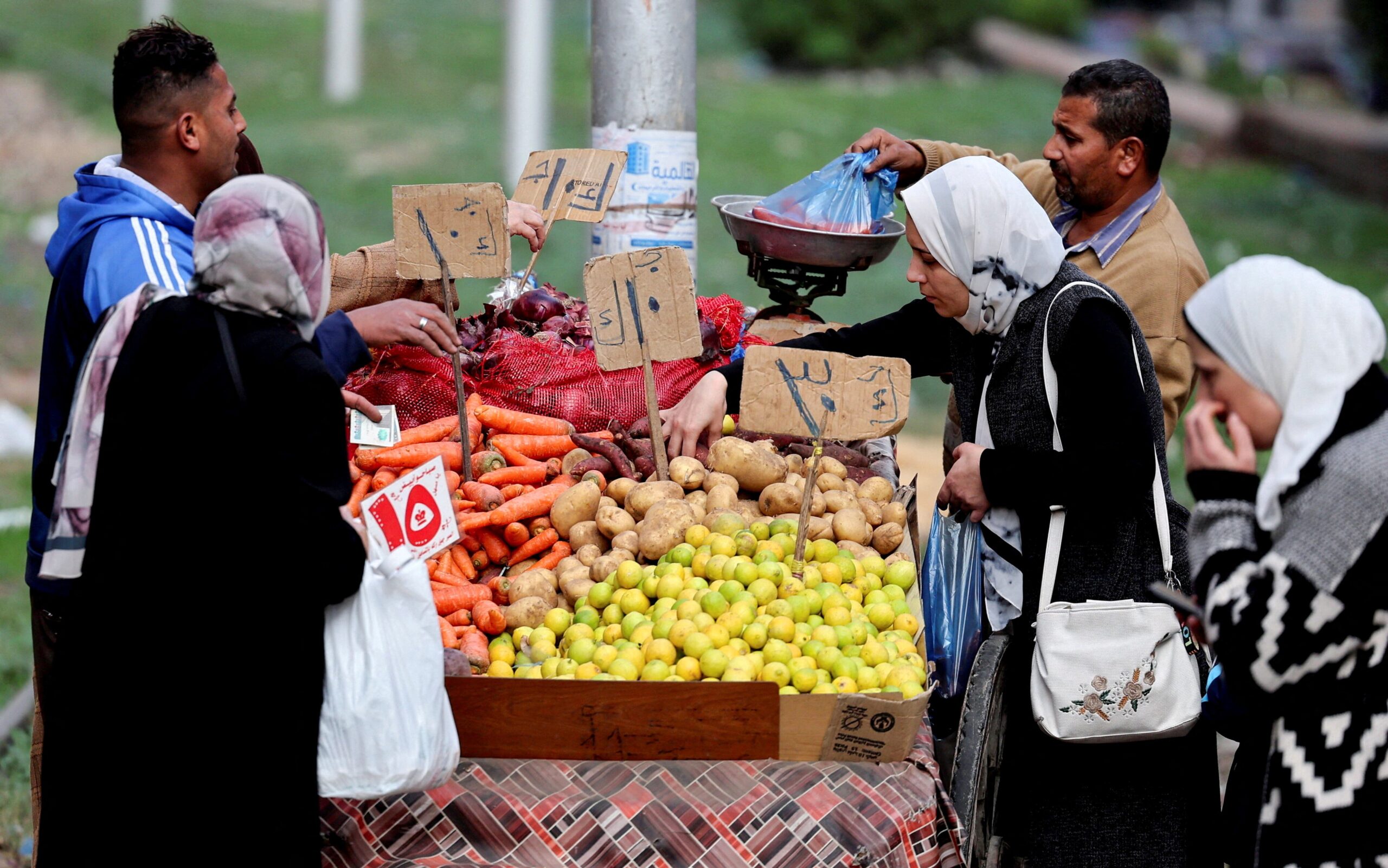

Global Hunger Levels Remain Critically High
The latest findings from the 2026 Global Report on Food Crises show that hunger remains at alarming levels worldwide. The report, compiled by a coalition of humanitarian and development organizations, reveals a steady rise in food insecurity over the past decade.
In 2025 alone:
- 266 million people in 47 countries experienced acute food insecurity
- 1.4 million people faced catastrophic hunger conditions
- 35.5 million children suffered from acute malnutrition
- Nearly 10 million children endured severe acute malnutrition
These figures underline a growing global challenge that continues to affect millions of households across multiple regions.
Countries Facing Catastrophic Hunger Conditions
Several countries were identified as experiencing the most severe levels of hunger:
- Haiti
- Mali
- Gaza
- South Sudan
- Sudan
- Yemen
In these areas, families are struggling to access even basic food supplies, with some regions officially experiencing famine conditions.
A Decade of Rising Food Insecurity
The report marks its 10th edition and notes a troubling trend. Over the past decade, the number of people facing acute hunger has doubled. Notably, two famines were declared in 2025—an unprecedented occurrence in the report’s history.
This shift signals that food crises are no longer temporary disruptions but long-term structural challenges.
Impact of the Iran War on Global Food Supply
The Iran war global food crisis 2026 is expected to add further pressure to an already strained system. Experts warn that the conflict could disrupt key global supply chains, particularly in energy and fertilizer markets.
Disruptions to Energy and Fertilizer Trade
The war has raised concerns about:
- Reduced availability of fertilizers
- Increased energy costs
- Supply chain interruptions
These factors are essential for agricultural production. Any disruption can lead to lower crop yields and higher food prices worldwide.

Rising Food Prices and Inflation
Even if the conflict ends soon, the economic effects are likely to persist. Analysts suggest that:
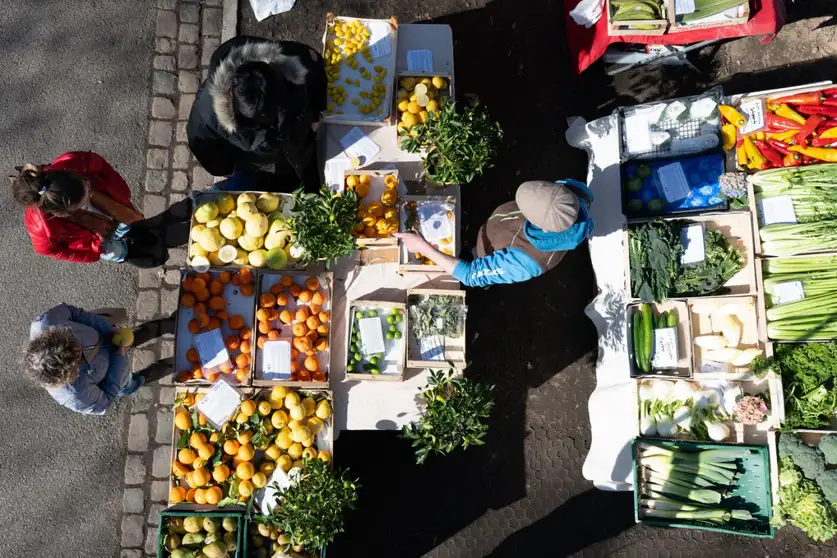
- Food prices may continue rising for at least six months
- Inflation could worsen in import-dependent countries
- Low-income populations will be hit hardest
This means the Iran war global food crisis 2026 could trigger ripple effects far beyond the immediate conflict zone.
Regional Hotspots for Food Insecurity in 2026
The report identifies several regions where food insecurity is expected to worsen significantly due to a mix of conflict, economic instability, and climate factors.
West Africa and the Sahel Under Pressure
Countries in West Africa and the Sahel region are projected to remain highly vulnerable.
Key concerns include:
- Persistent conflict
- High inflation rates
- Limited access to food markets
Nigeria is expected to see one of the largest increases in food insecurity.
Nigeria’s Growing Hunger Crisis
Nigeria stands out as a major concern in the Iran war global food crisis 2026 outlook.
Projections indicate:
- An additional 4.1 million people may face acute hunger in 2026
- Rising food costs and insecurity are key drivers
- Economic instability continues to affect food access
This highlights the urgent need for targeted interventions in one of Africa’s largest economies.
East Africa Facing Drought and Instability
In East Africa, climate conditions are worsening the situation.
Countries such as Somalia and Kenya are dealing with:
- Failed rainy seasons
- Prolonged drought
- Ongoing insecurity
- High food prices
These combined factors are expected to deepen hunger levels across the region.
Declining Humanitarian Aid and Funding Gaps
Another major factor driving the Iran war global food crisis 2026 is the reduction in humanitarian funding.
Sharp Drop in Food Sector Funding
The report reveals significant declines in financial support:
- Humanitarian food-sector funding dropped by about 39% in 2025
- Development assistance decreased by at least 15%
This reduction limits the ability of aid organizations to respond effectively to crises.
Impact on Vulnerable Populations
Reduced funding means:
- Fewer food aid programs
- Limited nutritional support for children
- Decreased resilience in affected communities
As a result, millions of people may face worsening conditions without adequate support.
Persistent Shocks Driving Long-Term Crisis
Experts emphasize that global hunger is no longer driven by short-term shocks alone. Instead, multiple overlapping crises are creating a sustained emergency.
Key Drivers of Food Insecurity
The main factors contributing to the Iran war global food crisis 2026 include:
- Armed conflicts
- Climate change and drought
- Economic instability and inflation
- Declining international aid
These elements interact to create complex and long-lasting challenges.
Food Insecurity and Global Stability
Food insecurity is increasingly seen as a threat to global stability. Rising hunger levels can lead to:
- Increased migration
- Social unrest
- Economic disruption
This makes addressing food crises not only a humanitarian priority but also a global security concern.
Signs of Limited Improvement in Some Areas
While the overall outlook remains concerning, there are small signs of improvement in certain regions.
Haiti Shows Modest Progress
Haiti is expected to move out of the most severe “catastrophic” hunger category due to:
- Improved security conditions
- Increased humanitarian assistance
However, challenges remain, and sustained support is necessary to maintain progress.

Importance of Continued Intervention
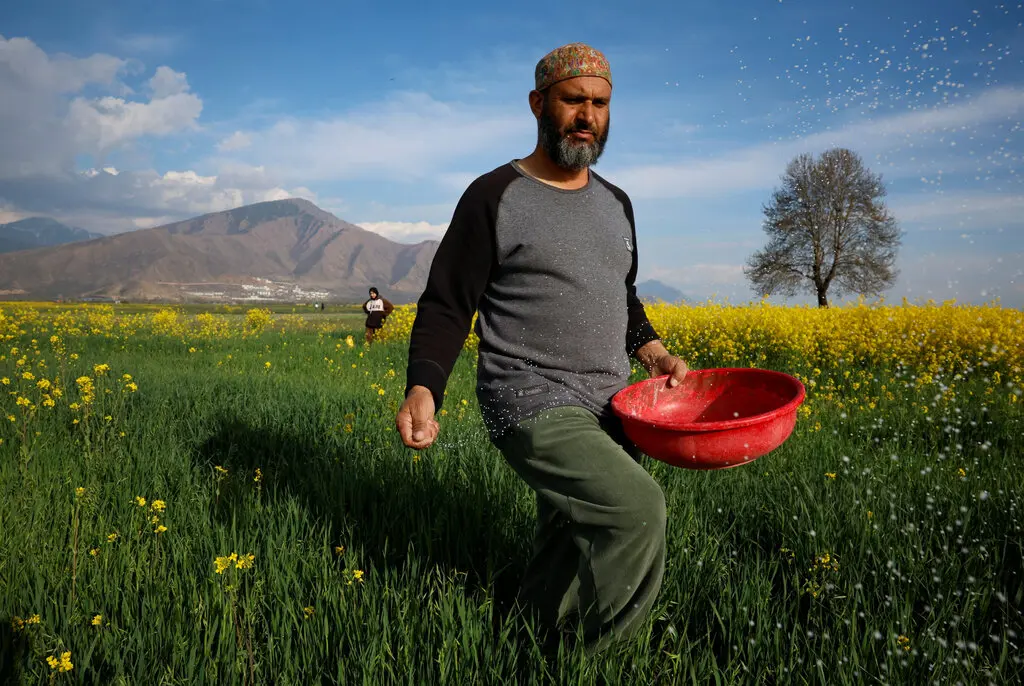
Even in areas showing improvement, consistent efforts are required to:
- Strengthen food systems
- Support local agriculture
- Ensure long-term resilience
Without continued intervention, gains could quickly reverse.
FAQ
How will the Iran war affect global food prices in 2026?
The conflict is expected to disrupt energy and fertilizer supplies, leading to higher production costs and increased food prices globally.
Which countries are most affected by the global food crisis in 2026?
Countries such as Nigeria, Somalia, Sudan, and Yemen are among the most affected due to conflict, climate issues, and economic instability.
Why is food insecurity increasing despite global awareness?
Multiple overlapping factors, including conflict, climate change, and reduced funding, are making food crises more persistent and harder to resolve.
What role does humanitarian aid play in reducing hunger?
Humanitarian aid provides essential food and nutritional support, especially in crisis zones. Reduced funding limits the ability to reach vulnerable populations.
Conclusion
The Iran war global food crisis 2026 highlights a complex and escalating global challenge. With conflict, climate pressures, and declining aid all contributing to rising hunger levels, millions of people remain at risk. While some regions show minor improvements, the overall outlook underscores the need for coordinated global action to address both immediate needs and long-term food security.
Click here for more news


