 0
0
 0
0
Iran war food shortage Nigeria concerns are growing as economists and agricultural experts warn that disruptions caused by the escalating conflict involving the United States, Israel, and Iran could trigger higher food prices and inflation across many countries.
The conflict is already affecting global energy markets and shipping routes, particularly the Strait of Hormuz, a critical maritime corridor for oil and other commodities. Analysts say any prolonged disruption could impact fertilizer supply, farming costs, and food production worldwide.
Experts have therefore urged the Nigerian government to adopt proactive measures to reduce the potential economic and agricultural impact.
Iran War Threatens Global Energy and Fertilizer Supply
The Iran war food shortage Nigeria risk is largely linked to disruptions in energy supply and fertilizer markets.
The Strait of Hormuz handles a significant portion of global oil shipments, making it one of the most strategically important waterways in the world. Any disruption in the region can quickly push up energy prices.
Higher oil prices can lead to:
-
Increased transportation costs
-
Higher fertilizer production costs
-
Rising agricultural expenses
-
Increased food prices globally
Economists warn that these developments could have serious consequences for countries heavily dependent on fertilizer imports, including Nigeria.
Experts Warn Nigeria of Potential Food Security Crisis
Several Nigerian experts have warned that fertilizer shortages during the planting season could significantly affect food production.
Among those who spoke about the Iran war food shortage Nigeria risk were:
-
Dr. Muda Yusuf, Chief Executive Officer of the Centre for the Promotion of Private Enterprise (CPPE)
-
Mr. Shakin Agbeyewa, Acting Chairman of the Lagos State chapter of the All Farmers Association of Nigeria (AFAN)
-
Mr. Omotunde Banjoko, Agric Sectorial Group Chairman of the Lagos Chamber of Commerce and Industry (LCCI)
According to Yusuf, the war is already affecting fertilizer shipment and logistics.
Fertilizer Supply Disruptions
Yusuf noted that fertilizer is one of the most critical inputs in agricultural production.
He explained that disruptions to global fertilizer markets—particularly the urea fertilizer market—could create supply pressure for farmers.
If fertilizer becomes scarce or too expensive:
-
Farmers may reduce fertilizer use
-
Crop yields may decline
-
Food production could drop
-
Food inflation may rise again
This could reverse recent progress in slowing food price inflation in Nigeria.

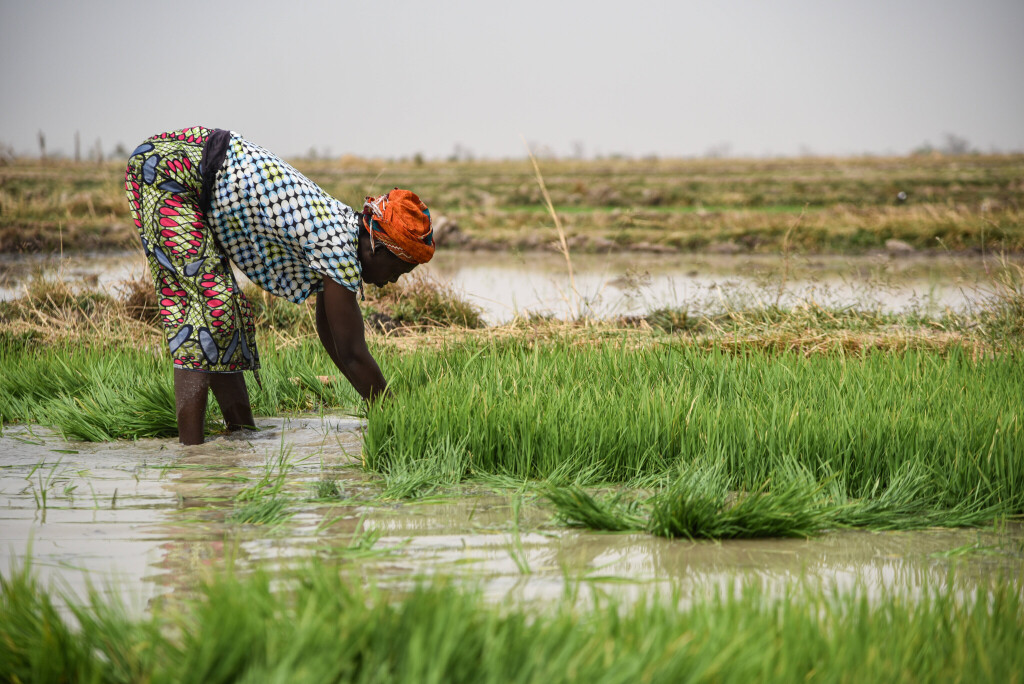
Smallholder Farmers Face the Biggest Risk
Experts say smallholder farmers are especially vulnerable to the Iran war food shortage Nigeria scenario.
Most farmers in Nigeria operate on a small scale and already face financial constraints.
Because of this:
-
Rising fertilizer prices could become unaffordable
-
Farmers may struggle to maintain crop productivity
-
Agricultural output may fall
Yusuf warned that many farmers lack the financial capacity to absorb sudden increases in input costs.
Government Urged to Take Immediate Action
Economists are calling on the Nigerian government to introduce urgent measures to protect the country’s food system.
Some of the recommended actions include:
Fiscal Support for Fertilizer Inputs
Experts suggested targeted and temporary fiscal concessions on fertilizer inputs to stabilize domestic prices.
These could include:
-
Reduced import charges
-
Lower production-related levies
-
Temporary subsidies
Coordinated Government Response
Yusuf also recommended stronger coordination among several government agencies, including:
-
Ministry of Finance
-
Ministry of Agriculture
-
Ministry of Industry and Trade
-
Customs authorities
-
Port and transportation agencies
The goal would be to ensure fertilizer shipments are prioritized and distribution bottlenecks are reduced.
Support for Vulnerable Farmers
Experts also urged the government to provide risk-sharing support mechanisms for smallholder farmers.
These programs could help farmers continue planting despite rising input costs.
Call to Revive Nigeria’s Fertilizer Blending Plants
Agricultural stakeholders also raised concerns about Nigeria’s fertilizer production capacity.
Mr. Shakin Agbeyewa questioned why several fertilizer blending plants in Nigeria have stopped operating.
He urged the government to investigate the issue and revive the facilities.
According to him, restoring these plants could:
-
Reduce Nigeria’s dependence on imported fertilizer
-
Stabilize fertilizer prices locally
-
Improve food production resilience
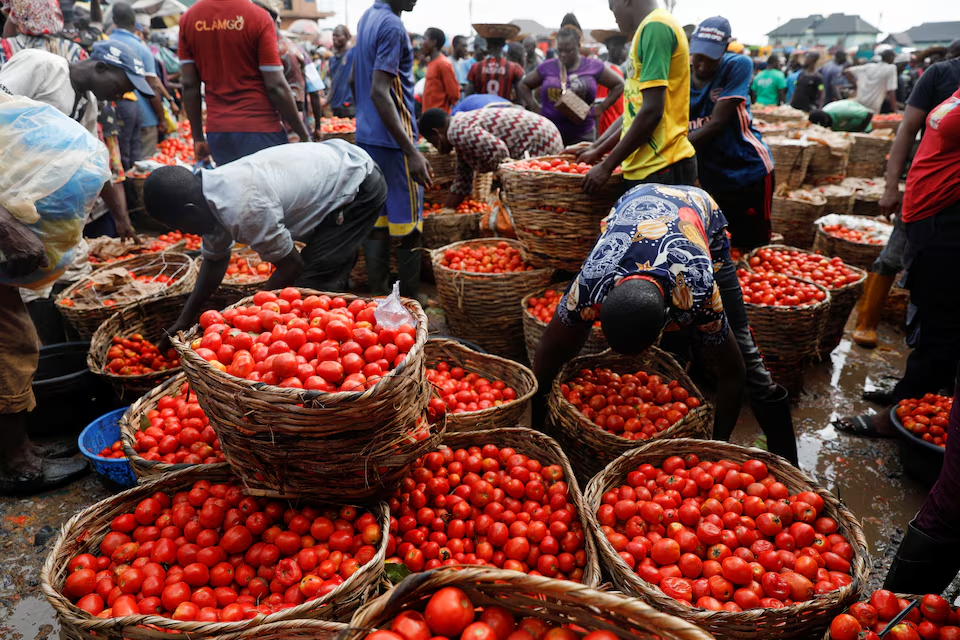
Rising Food Prices Could Affect Nigerian Consumers
Mr. Omotunde Banjoko of the Lagos Chamber of Commerce and Industry warned that fertilizer supply disruptions could significantly increase food production costs.
Farmers may pass these costs on to consumers.
This could lead to:
-
Higher food prices in markets
-
Increased cost of living
-
Rising inflation across the economy
The Iran war food shortage Nigeria threat therefore has implications not just for farmers but for households across the country.
US Report Raises Concerns Over Strait of Hormuz
Meanwhile, a separate report indicated that the United States government may have underestimated the economic consequences of the conflict.
According to sources familiar with discussions within the Pentagon and the National Security Council, officials did not fully anticipate Iran’s willingness to disrupt shipping through the Strait of Hormuz.
Industry executives and analysts say the situation has created uncertainty in global energy markets.
Shipping companies have reportedly requested military escorts for oil tankers, but such operations have not yet been implemented due to security risks.
Global Economic Impact Still Uncertain
Experts say it could take weeks before measures aimed at stabilizing global markets begin to take effect.
The conflict has already triggered volatility in:
-
Oil prices
-
Shipping routes
-
Fertilizer supply chains
-
Agricultural input markets
Because of this, the Iran war food shortage Nigeria concern remains a major issue for policymakers and economic planners.
Conclusion
The Iran war food shortage Nigeria risk highlights the growing economic consequences of geopolitical conflicts. Disruptions in energy and fertilizer supply could significantly affect global agriculture and food prices.
Experts are urging Nigerian authorities to act quickly by supporting fertilizer supply, assisting farmers, and strengthening domestic production capacity. Taking proactive steps now could help reduce the impact of rising inflation and protect the country’s food security.
PLEASE CLICK HERE FOR MORE NEWS