 0
0
 0
0
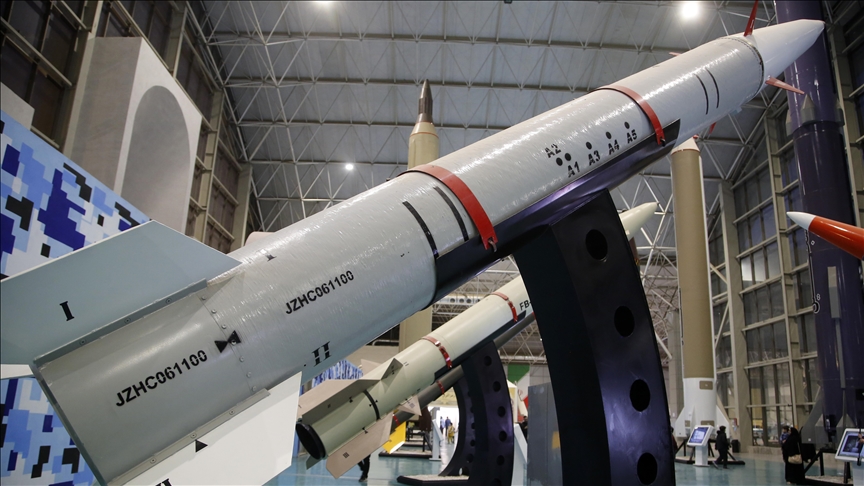
Iran threatens devastating strikes US 2026 as regional tensions intensify, with the country’s military issuing a strong warning of further retaliation if civilian infrastructure is targeted again.
The statement, released by the Islamic Revolutionary Guard Corps, signals a potential escalation in an already volatile geopolitical situation involving the United States, Israel, and several Middle Eastern nations.
IRGC Issues Strong Warning Over Civilian Attacks
Iran’s elite military force declared that any future attacks on civilian facilities would trigger a broader and more severe response.
According to the statement:
- Initial retaliatory strikes were only the “first phase”
- Future actions could be “more devastating and widespread”
- Damage to opposing interests could significantly increase
The Iran threatens devastating strikes US 2026 warning reflects a shift toward more direct messaging regarding consequences tied to ongoing conflict developments.
What Prompted the Warning
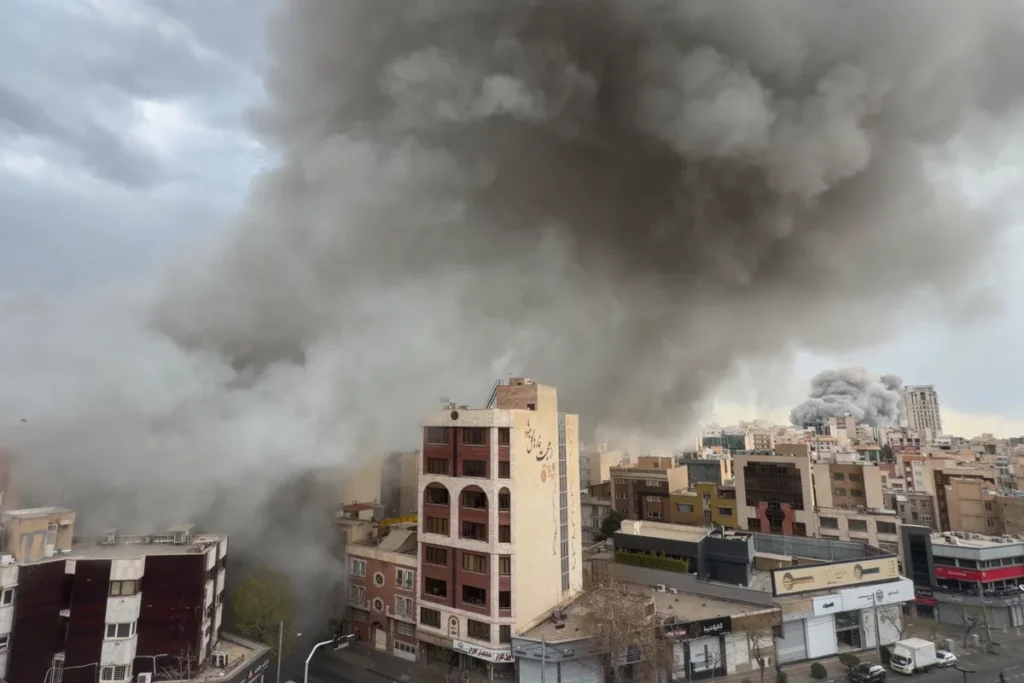
The IRGC said the response was triggered by alleged strikes on civilian infrastructure within Iran.
Reported targets included:
Iran claims these sites were not military targets, framing the retaliation as a defensive measure.
Retaliatory Strikes Target Gulf Economic Sites
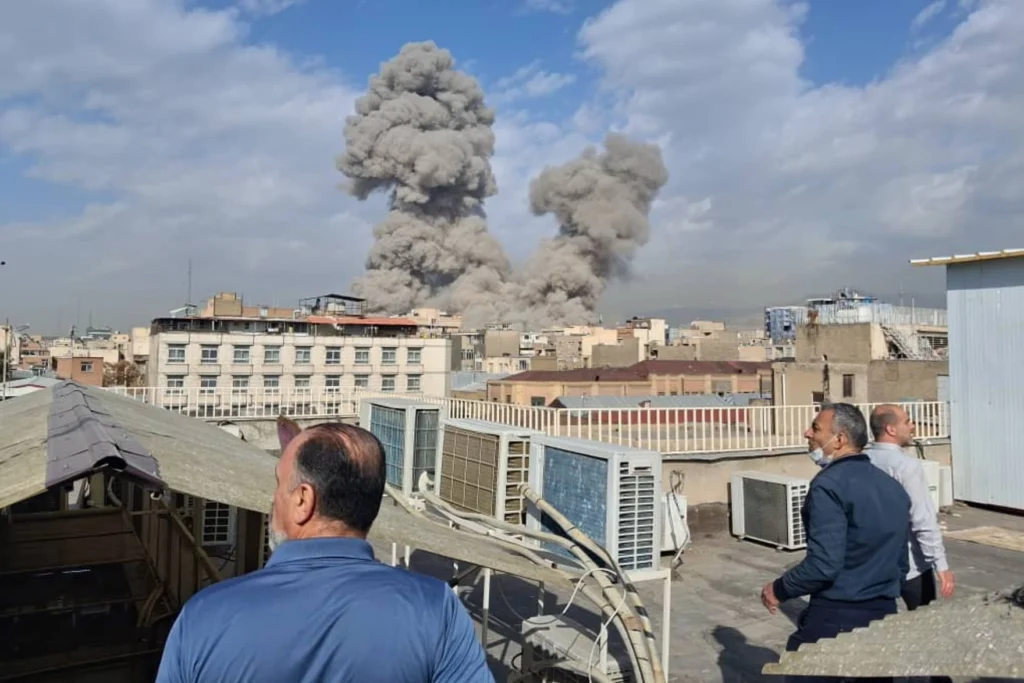
In response, Iran reportedly carried out attacks on energy-related infrastructure in several Gulf countries.
Countries Affected by the Strikes
The operations targeted facilities in:
- United Arab Emirates
- Kuwait
- Bahrain
These locations host key oil, gas, and petrochemical installations that are vital to regional and global energy supply.
Focus on Economic Infrastructure
The Iran threatens devastating strikes US 2026 development highlights a strategic focus on economic assets rather than purely military targets.
This approach may:
- Disrupt global energy markets
- Increase economic pressure on adversaries
- Expand the scope of conflict beyond traditional battle zones
Escalation Following February 2026 Offensive
Tensions have sharply increased since a major military escalation earlier in the year.
Background of the Conflict
The crisis intensified after the US-Israel joint offensive on Iran February 2026.
Reported consequences include:
- Over 1,300 fatalities
- Significant infrastructure damage
- Leadership losses, including Ali Khamenei
This event marked a turning point in regional dynamics, leading to sustained retaliatory actions.
Iran’s Ongoing Military Response
Since the escalation, Iran has:
- Launched drone and missile strikes
- Targeted multiple regional locations
- Increased military readiness
The Iran threatens devastating strikes US 2026 warning is part of this broader response strategy.
Strategic Importance of the Strait of Hormuz
Another critical development is Iran’s control over maritime movement in the region.
Disruptions in a Key Global Route
Iran has imposed restrictions in the Strait of Hormuz, a vital passage for global oil shipments.
This area is significant because:
- A large percentage of global oil exports pass through it
- Any disruption can impact global energy prices
- It is a focal point for international shipping routes
Potential Global Impact
Restrictions or instability in the Strait could lead to:
- Increased fuel prices worldwide
- Supply chain disruptions
- Heightened geopolitical tensions
The Iran threatens devastating strikes US 2026 situation therefore extends beyond regional concerns to global economic implications.
Regional Reactions and Security Concerns
Countries in the Middle East and beyond are closely monitoring the situation.
Concerns for Gulf Nations
Nations hosting US military assets may face increased risks.
Key concerns include:
- Vulnerability of energy infrastructure
- Potential for further retaliatory strikes
- Need for enhanced security measures
Broader International Implications
The escalating situation raises questions about:
- Stability in global energy markets
- Future diplomatic engagement
- Risk of wider conflict
As tensions continue to rise, international stakeholders are likely to push for de-escalation efforts.
What the Warning Means Going Forward
The Iran threatens devastating strikes US 2026 announcement suggests that the situation remains highly fluid.
Possible Scenarios
If tensions continue:
- Retaliatory cycles may intensify
- Economic targets could remain primary focus
- Diplomatic channels may face increased pressure
Importance of Civilian Infrastructure Protection
The emphasis on civilian targets highlights:
- The growing complexity of modern conflicts
- The blurred lines between military and economic assets
- The humanitarian implications of infrastructure attacks
Frequently Asked Questions
Why did Iran threaten more devastating strikes in 2026?
Iran issued the warning in response to alleged attacks on its civilian infrastructure, stating that further strikes would lead to stronger retaliation.
Which countries were affected by Iran’s retaliatory attacks?
Reported strikes targeted energy facilities in the United Arab Emirates, Kuwait, and Bahrain.
What is the significance of the Strait of Hormuz in this conflict?
The Strait of Hormuz is a key global oil transit route, and disruptions there can significantly impact global energy markets.
How could this situation affect global markets?
Escalating tensions may lead to higher oil prices, supply disruptions, and increased economic uncertainty worldwide.
Conclusion
The Iran threatens devastating strikes US 2026 warning underscores a critical moment in regional and global geopolitics. With retaliatory actions targeting economic infrastructure and tensions rooted in recent military escalations, the situation remains uncertain. The potential impact on energy markets, regional stability, and international relations makes this development one to watch closely as events continue to unfold.
PLEASE CLICK HERE FOR MORE NEWS