


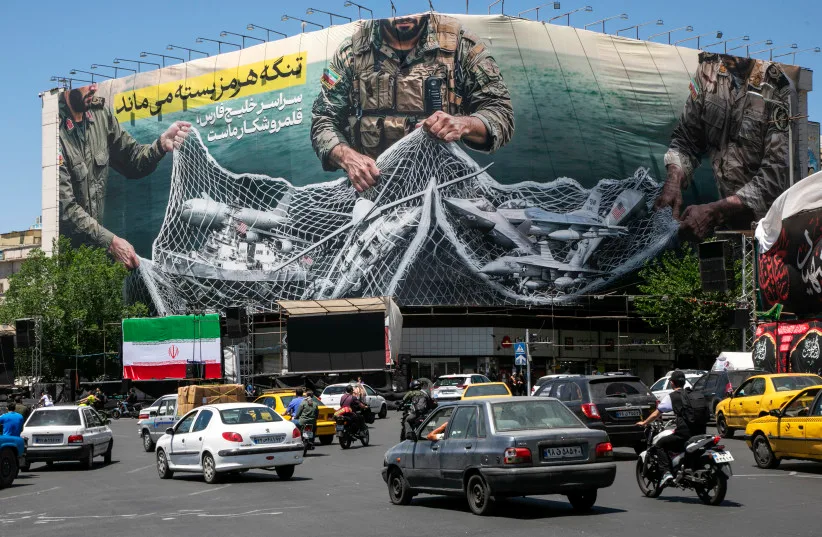
Iran has intensified a broad propaganda campaign aimed at projecting national unity, even as internal divisions and economic challenges continue to deepen. The effort comes at a time of heightened geopolitical tension and ongoing economic strain linked to conflict and international sanctions. This initiative is part of a larger strategy of Iran propaganda national unity. The concept of Iran propaganda national unity is central to fostering a cohesive national identity.
According to reports, Iranian authorities have increased the use of large-scale visual messaging, public events, and media narratives to reinforce a sense of national strength and resilience.
The government promotes Iran propaganda national unity through various initiatives aimed at engaging citizens.


Shift in messaging strategy
Observers note that Iran’s messaging has evolved beyond traditional religious revolutionary themes. Instead, authorities are increasingly relying on nationalist symbolism intended to appeal to a wider domestic audience.
This initiative is often referred to as Iran propaganda national unity, emphasizing the importance of collective identity.
This shift includes:
- Greater emphasis on Iranian national identity
- Reduced focus on purely religious imagery
- Increased use of historical and cultural symbols
Public Displays and State-Backed Events Increase
Mass events and symbolic demonstrations
As part of the propaganda effort, Iranian authorities have reportedly organized public displays designed to project unity and strength. These include mass gatherings, symbolic ceremonies, and military-themed events.
These gatherings reinforce the idea of Iran propaganda national unity, showcasing the strength of the populace.
Reported activities include:
- Public rallies supporting national resistance narratives
- Military-themed mass weddings
- Public training sessions involving weapon handling demonstrations
These events are presented as demonstrations of unity and readiness during a period of heightened national pressure.
Visual propaganda across public spaces
Large posters and visual installations have also appeared in cities such as Tehran and along strategic regions. These images often depict military figures, national symbols, and references to control over key geopolitical areas.
Key themes include:
-
- National resistance against foreign pressure
- Control of strategic waterways
Symbolic imagery in these contexts often reflects Iran propaganda national unity narratives.
- Heroic depictions of military forces
Economic Pressure and Internal Challenges Persist
Strained domestic conditions
Despite the public messaging campaign, Iran continues to face significant internal challenges. Analysts note that economic difficulties remain severe, with inflation, unemployment, and external sanctions contributing to public dissatisfaction.
Despite challenges, Iran propaganda national unity efforts aim to bolster public morale.
Key concerns include:
- Weakening economic stability
- Reduced public trust in institutions
- Increased pressure on households
Political and security concerns
Reports suggest that authorities are also concerned about the possibility of renewed internal unrest. Previous protests and security crackdowns have shaped the current political environment, leading to tighter control measures in some areas.


Shift Toward Nationalist Identity in Messaging
Reduced reliance on revolutionary ideology
Analysts have observed a gradual change in Iran’s ideological messaging approach. Instead of relying heavily on traditional revolutionary religious symbolism, authorities are increasingly incorporating Persian historical and nationalist imagery.
This includes:
- References to historical resistance figures
- Use of pre-revolution cultural symbols
- Integration of national sports and cultural imagery
Mixed public response
Public reactions appear divided. While some support the patriotic messaging, others view the displays as political theatre that does not address underlying economic or social issues.
Propaganda Extends to Domestic and International Audiences
Messaging aimed beyond Iran’s borders
Foreign audiences are targeted by Iran propaganda national unity narratives to reshape perceptions.
Iran’s propaganda efforts are not limited to domestic audiences. Online campaigns and visual content also target international viewers, particularly in the context of geopolitical tensions and strategic waterways.
These narratives often emphasize:
- National resilience against foreign powers
- Control over strategic maritime routes
- Military strength and deterrence messaging
Strategic symbolism in state media
State television and public imagery frequently highlight military readiness and unity themes. These visuals are intended to reinforce the idea of national cohesion during periods of external pressure.
Analysts Question Long-Term Effectiveness
Debate over public reception
The dual focus on internal and external messaging amplifies the impact of Iran propaganda national unity.
Experts remain divided over the effectiveness of the propaganda campaign. Some argue it may reinforce unity among certain segments of the population, while others believe widespread economic hardship limits its impact.
Key observations include:
- Support may exist among loyalist groups
- Skepticism remains among younger populations
- Economic concerns overshadow political messaging
Concerns about internal stability
Some analysts suggest that the increased visibility of military and state security elements in public life may also signal underlying concerns about internal stability.
This approach is crucial for the broader Iran propaganda national unity strategy.
FAQ
Why is Iran increasing propaganda efforts?
Iran is expanding public messaging to project national unity amid economic pressure and geopolitical tensions.
This is part of a larger narrative surrounding Iran propaganda national unity.
What types of propaganda are being used?
The campaign includes posters, public rallies, military-themed events, and state media narratives.
Is the Iranian public supportive of these efforts?
Public reactions are mixed, with some supporting patriotic messaging while others remain skeptical.
What are the main internal challenges facing Iran?
These dynamics are at the heart of Iran propaganda national unity efforts.
Economic difficulties, social tensions, and concerns about political stability remain key issues.
Conclusion
Iran’s expanded propaganda campaign reflects an effort to project unity and resilience during a period of significant internal and external pressure. While state messaging emphasizes national strength and cohesion, analysts note that economic challenges and social tensions continue to shape public perception, raising questions about the long-term effectiveness of such strategies.
PLEASE CLICK HERE FOR MORE NEWS
Thus, the concept of Iran propaganda national unity remains pivotal in shaping the national narrative.


