

 0
0
 0
0
Iran post war future remains uncertain as analysts examine how the country’s leadership and political structure could evolve once the ongoing conflict ends. Experts say several outcomes are possible, ranging from leadership reform inside the current system to a deeper political crisis.
According to reporting referenced by Deutsche Welle, specialists believe the internal balance of power in Iran will determine what happens next. With competing political factions and powerful security institutions involved, the path forward could be complex.
Background of the Current Conflict
Large scale strikes by forces linked to the United States and Israel reportedly began on February 28 during the escalation of tensions with Iran. The strikes targeted multiple locations across the country.
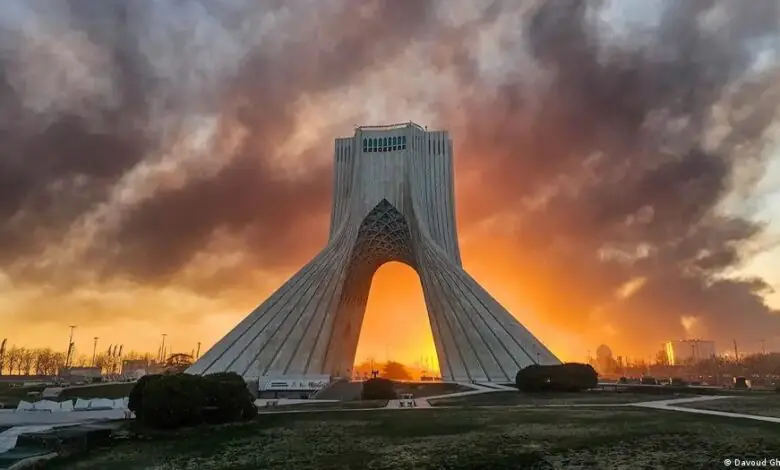
In the capital city of Tehran, some residents were reportedly seen celebrating on rooftops despite the damage caused by the attacks. Observers say this reaction reflects frustration among segments of the population toward the clerical leadership that has governed the country for decades.
Reports also emerged claiming that Iran’s Supreme Leader Ali Khamenei was killed during a strike. These reports have not been independently confirmed in this article, but analysts say the possibility of such a leadership vacuum has intensified discussions about the country’s political direction.
Even amid uncertainty, Iran’s governing institutions appear to be functioning. Senior political figure Ali Larijani has reportedly emerged as a prominent figure within the political establishment.
Scenario One: Leadership Change Within the Existing System
One possible outcome for the Iran post war future is a leadership reshuffle while preserving the overall political structure.
Some analysts compare this possibility to developments earlier in Venezuela. In that situation, leader Nicolas Maduro was removed with support from international pressure, and his deputy Delcy Rodriguez assumed leadership on an interim basis.
Former United States president Donald Trump has publicly suggested that a similar model could be considered for Iran. In this scenario, the country’s leadership might change while the broader system of governance remains intact.
Analysts say such a transition could reduce political instability while allowing Iran to maintain continuity within state institutions.
Scenario Two: Reform Led by a New Supreme Leader
Another possible direction for the Iran post war future involves internal reform.
Iran’s Assembly of Experts is responsible for selecting the Supreme Leader. If a vacancy occurs, the council could appoint a new leader who takes a more pragmatic approach to governance.
Experts say a reform oriented leader might prioritize economic recovery and improved diplomatic relations. Easing tensions with Western countries could potentially lead to sanctions relief and increased economic stability.
Under this scenario, Iran could focus on rebuilding infrastructure and strengthening domestic economic policies after the conflict.
Scenario Three: Hardline Leadership and Increased Isolation
A third scenario involves a shift toward stronger ideological control.
In this case, conservative factions within the political establishment could rally around a more hardline leader. Analysts say such a development might intensify Iran’s confrontational foreign policy and accelerate its nuclear program.
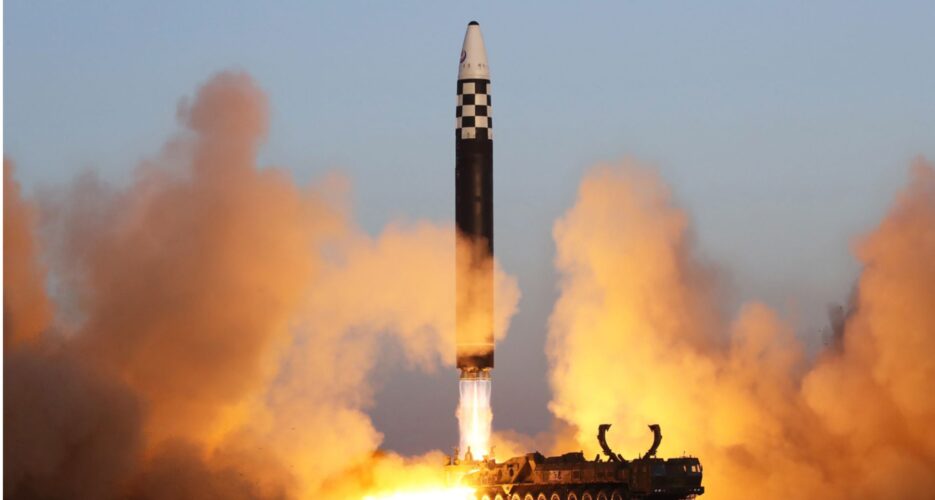
Some observers warn this could push Iran toward deeper international isolation similar to the model seen in North Korea.
This outcome could also increase geopolitical tensions in the Middle East and further complicate diplomatic relations with Western countries.
Role of Opposition Groups Abroad
Exiled opposition figures are also attempting to influence the Iran post war future.
One of the most visible figures is Reza Pahlavi, the son of Iran’s last monarch. He has called for a democratic transition in Iran rather than restoring the monarchy.
While Pahlavi has gained support among members of the Iranian diaspora and some protest movements abroad, analysts say opposition groups remain fragmented and lack a unified political strategy.
Without strong internal organization inside Iran, experts say it may be difficult for these groups to take power.
Security Forces Could Decide the Outcome
Many analysts believe the most decisive factor in Iran’s future will be the country’s security institutions.
The powerful Islamic Revolutionary Guard Corps controls significant military capabilities as well as major economic assets. Because of this influence, the organization could play a central role in determining the direction of Iran’s political transition.
At the same time, tensions between the Revolutionary Guards and Iran’s conventional army could increase during a period of political uncertainty.
Experts warn that if rival factions compete for power without a clear successor, internal instability could emerge.
A Long and Uncertain Transition
The Iran post war future remains highly unpredictable. Analysts say the outcome will depend on several factors including leadership succession, political unity, and the role of security forces.
With multiple factions competing for influence and no clear successor publicly identified, Iran may face a prolonged transition period once the conflict ends.
Political reform, leadership change, or deeper authoritarian control all remain possible outcomes as the country navigates the aftermath of war.



[…] at a time of rising tensions across the region following recent military developments involving Iran and several international […]
[…] Iran fuel quota cut Tehran after recent strikes targeted oil depots in the Iranian capital and nearby regions. Authorities reduced the fuel purchase limit for drivers using personal fuel cards as the country faces supply disruptions linked to the ongoing conflict. […]