
 0
0
 0
0
Iran missile strikes Israel Gulf 2026 show a significant change in the ongoing Middle East conflict. Data indicates that while attacks on Gulf countries have decreased since February 28, strikes on Israel have become fewer but more precise, causing increased damage and casualties.
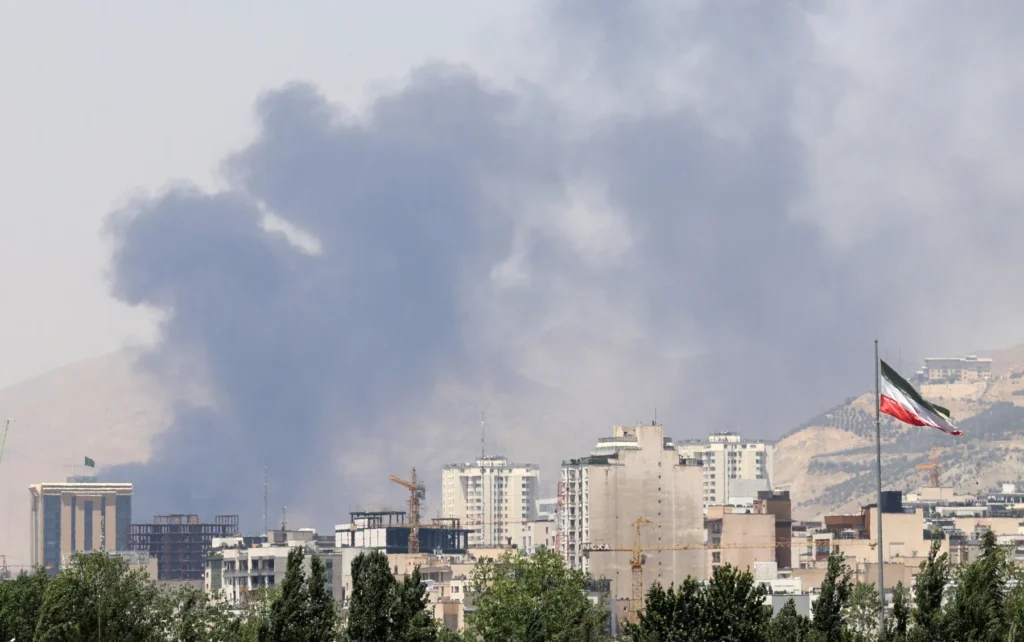
Iran Missile Strikes Israel Gulf 2026 Decline in Gulf Attacks
Iran missile strikes Israel Gulf 2026 data shows a drop in attacks on Gulf nations compared to the first week of the war. Qatar, for example, faced 256 missile and drone strikes by March 19, with no new attacks recorded since March 20. Saudi Arabia saw fewer early attacks but experienced a surge between March 11 and March 16, peaking at 98 strikes, before returning to early-war levels by March 23.
The United Arab Emirates suffered the heaviest impact, with 2,156 missile and drone strikes, followed by Kuwait with 833 incidents between February 28 and March 23. Analysts attribute the decline to enhanced defense systems, strategic recalibration, and Iran redirecting resources toward Israel.
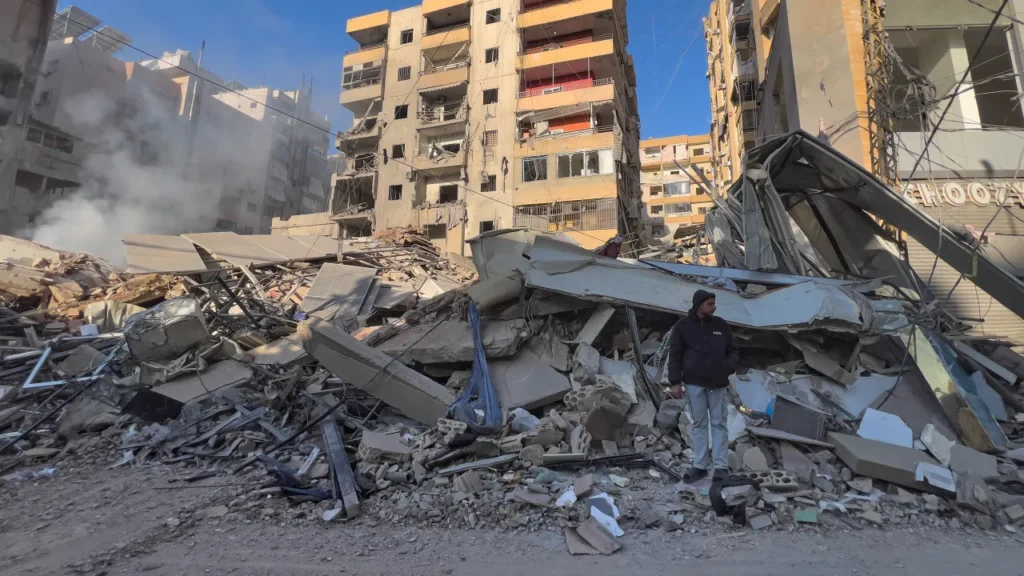
Fewer but More Effective Iran Missile Strikes Israel Gulf 2026 on Israel
Iran missile strikes Israel Gulf 2026 indicate a strategic shift: fewer attacks on Israel, but higher precision and effectiveness. During the first two weeks after US-Israeli strikes began, Iran launched 290 missiles and 500 drones. Between March 15 and March 22, this fell to 80 missiles and 50 drones.
Key Incidents of Iran Missile Strikes Israel Gulf 2026
- March 19: Explosions in Haifa’s industrial zones, including petrochemical facilities and power plants.
- March 21: Missile strike on Arad injured 84 people, 10 critically.
- March 21: Additional strikes near Dimona Nuclear Power Plant injured 31 people.
This shift emphasizes Iran’s focus on high-value targets rather than mass bombardment, maximizing disruption while reducing the number of launches.
Data Verification for Iran Missile Strikes Israel Gulf 2026
Data comes from:
- Defense and interior ministries of UAE, Kuwait, Saudi Arabia, Qatar, and Jordan.
- Israel’s Institute for National Security Studies.
- Open-source intelligence monitoring missile and drone launches.
Combining official and open-source data provides a comprehensive and reliable picture of Iran missile strikes Israel Gulf 2026 patterns.

Regional and Global Implications of Iran Missile Strikes Israel Gulf 2026
Iran missile strikes Israel Gulf 2026 have broader consequences:
- Gulf nations may strengthen air defenses and security protocols.
- Israel may increase protection of critical infrastructure and emergency preparedness.
- International actors closely monitor the situation to prevent regional escalation.
Potential diplomatic responses include UN mediation, sanctions targeting missile programs, and coordination among Gulf Cooperation Council states for intelligence and defense sharing.
Timeline of Iran Missile Strikes Israel Gulf 2026
- February 28: Conflict begins; Gulf nations heavily targeted.
- March 11–16: Saudi Arabia experiences a peak of 98 attacks.
- March 15–22: Iran shifts focus to fewer, precise strikes on Israel.
- March 19: Haifa industrial zones attacked.
- March 21: Arad missile strike injures 84; Dimona region hit with 31 casualties.
This timeline shows that fewer strikes do not mean reduced threat, as Iran is maximizing the impact of each missile and drone launch.
FAQ – Iran Missile Strikes Israel Gulf 2026
Q1: How many missiles did Iran launch at Israel in March 2026?
A1: Iran launched approximately 80 missiles and 50 drones between March 15 and March 22.
Q2: Which Gulf countries were most affected by Iran missile strikes in 2026?
A2: The United Arab Emirates was hit hardest with 2,156 attacks, followed by Kuwait with 833 strikes.
Q3: What strategic change did Iran adopt in its strikes on Israel?
A3: Iran now conducts fewer, more precise attacks on industrial and energy infrastructure to maximize impact.
Q4: Are Iranian attacks on Gulf nations decreasing?
A4: Yes, strikes on Gulf countries like Qatar and Saudi Arabia have declined since early March 2026.
Conclusion
Iran missile strikes Israel Gulf 2026 reveal a strategic shift: reduced attacks on Gulf countries and fewer but more effective strikes on Israel. This pattern underscores the ongoing risks for the region and highlights the importance of enhanced defenses, monitoring, and emergency preparedness.