


The Iran Hormuz ceasefire talks have entered a critical phase after Iran’s Islamic Revolutionary Guard Corps (IRGC) warned that negotiations could come to a complete halt following recent US military strikes near the Strait of Hormuz.
The latest escalation has increased concerns over regional stability, with both countries exchanging military action while diplomatic efforts continue to prevent a wider conflict. The situation has also renewed fears over global shipping security in one of the world’s busiest maritime routes.
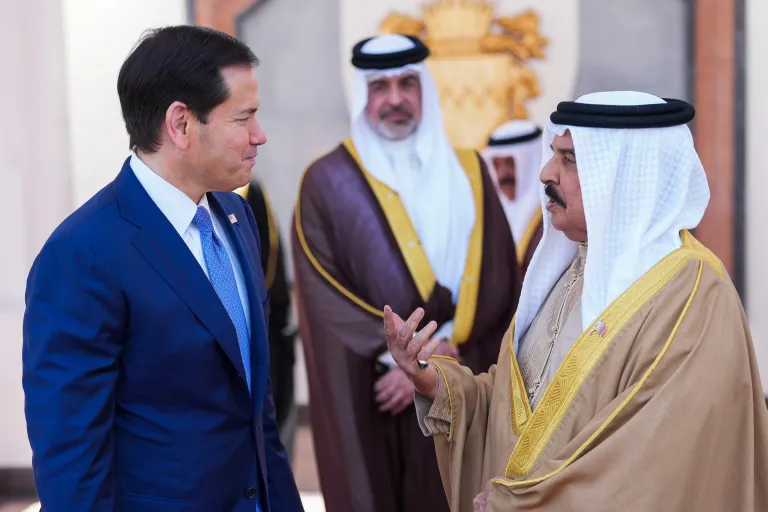

Iran Warns of Suspension of Negotiations
Iran’s IRGC accused the United States of violating the terms of what it described as the Islamabad Memorandum of Understanding.
According to Iranian state media, the military said the recent US strikes breached the framework agreement and warned that any further violations would trigger a stronger military response.
The statement added that vessels accused of violating the agreement would face what it described as a “crushing response,” placing additional strain on the Iran Hormuz ceasefire talks.
US Strikes Follow Tanker Attack
The latest confrontation began after the United States blamed Iran for a drone attack on the Panama-flagged crude oil tanker M/T Kiku, which was sailing toward Fujairah in the United Arab Emirates.
In response, US Central Command launched strikes against several Iranian military targets near the Strait of Hormuz, including surveillance facilities, drone storage sites, air defence systems and naval infrastructure.
Iran Responds With Missile and Drone Attacks
Following the US operation, Iran launched missiles and drones targeting American military facilities in Bahrain and Kuwait.
Authorities in Bahrain reported damage to a residential building near Bahrain International Airport, although no fatalities were confirmed.
The exchange of attacks has further complicated the Iran Hormuz ceasefire talks, raising doubts about whether negotiations can continue without additional escalation.
Increased US Military Activity Observed
Reports indicated increased US military aircraft activity over the Gulf region on Sunday.
Aerial refuelling aircraft were observed departing Qatar before joining other US military aircraft operating near the Strait of Hormuz. Flight tracking data suggested activity similar to previous strike operations, fuelling speculation that further military action remained possible.
Diplomatic Talks Under Pressure
Despite the military exchanges, officials from both countries have continued to signal that diplomatic channels remain open.
Reports suggested negotiations slowed significantly following the latest attacks, although US officials maintained that diplomacy remains the preferred solution.
US Ambassador to the United Nations Mike Waltz stated that Washington would respond to attacks on international shipping or US military bases if necessary, while also saying President Donald Trump remained willing to pursue diplomacy.
Iranian officials, however, accused Washington of violating previous understandings and warned that any future military action would receive an even stronger response.
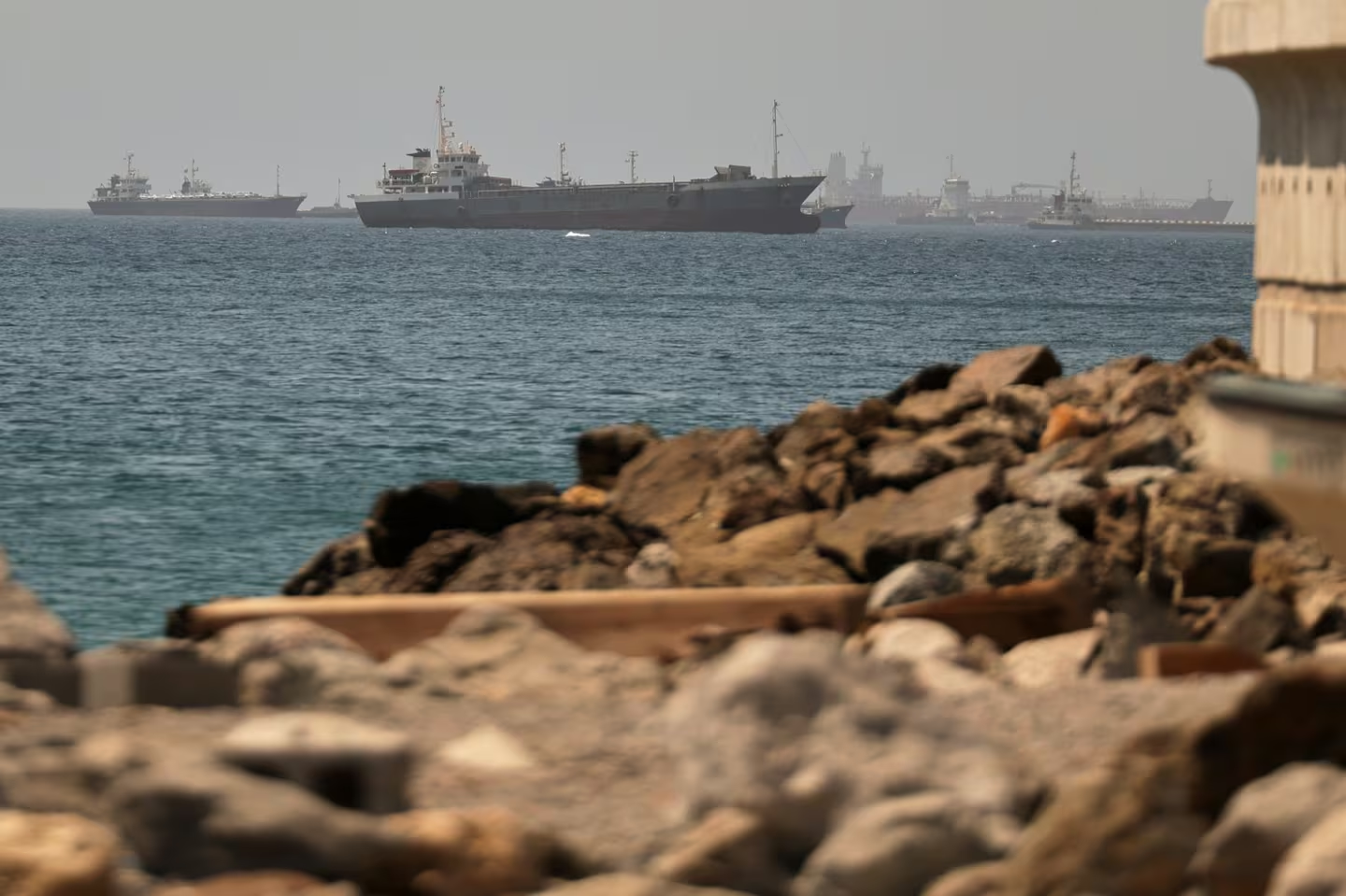

Strait of Hormuz Remains Strategic
Iranian Foreign Minister Abbas Araghchi said Tehran would continue overseeing navigation in the Strait of Hormuz under the existing framework agreement.
Iran also announced designated transit routes for commercial vessels while maritime security agencies raised threat levels for shipping due to recent attacks and ongoing naval operations.
The Iran Hormuz ceasefire talks remain closely tied to security in the strategic waterway, through which a significant portion of the world’s oil exports passes.
Regional Tensions Continue to Rise
Iran’s leadership also issued fresh criticism of both the United States and Israel, accusing them of responsibility for recent military operations.
Meanwhile, Qatar confirmed that one person was killed and another injured following an incident at sea linked to military activity in the region.
The United States has also announced expanded shipping routes near the Omani coastline, a move that contrasts with Iran’s position regarding control of navigation through the Strait of Hormuz.
What Happens Next?
The future of the Iran Hormuz ceasefire talks now depends on whether both sides can prevent further military escalation while maintaining diplomatic engagement.
Although negotiations have not officially collapsed, continued exchanges of military strikes could make future discussions increasingly difficult.
International observers are expected to closely monitor developments, particularly any impact on global energy markets and commercial shipping through the Strait of Hormuz.
Frequently Asked Questions
Why are the Iran Hormuz ceasefire talks under pressure?
The Iran Hormuz ceasefire talks came under pressure after Iran accused the United States of violating a framework agreement through recent military strikes near the Strait of Hormuz.
What triggered the latest US-Iran escalation?
The latest escalation followed a drone attack on an oil tanker that the United States attributed to Iran, prompting US strikes on Iranian military targets.
Why is the Strait of Hormuz important?
The Strait of Hormuz is one of the world’s most important shipping routes, carrying a significant share of global oil exports and international trade.
Are the US and Iran still negotiating?
Although negotiations reportedly slowed after the recent military exchanges, officials from both countries have indicated that diplomatic efforts have not completely ended.
Conclusion
The Iran Hormuz ceasefire talks face growing uncertainty following the latest military exchanges between Iran and the United States. While both sides continue to signal support for diplomacy, renewed strikes and heightened military activity have increased pressure on negotiations. The coming days are expected to play a crucial role in determining whether diplomacy can prevent further escalation in the strategically important Strait of Hormuz.
PLEASE CLICK HERE FOR MORE NEWS


