 0
0
 0
0
Iran attacks US Navy base in Bahrain in what officials describe as a direct retaliation following recent United States and Israeli military strikes on Iranian targets. The reported missile strike hit a facility linked to operations of the US Navy Fifth Fleet, marking a significant escalation in already fragile Middle East security dynamics.
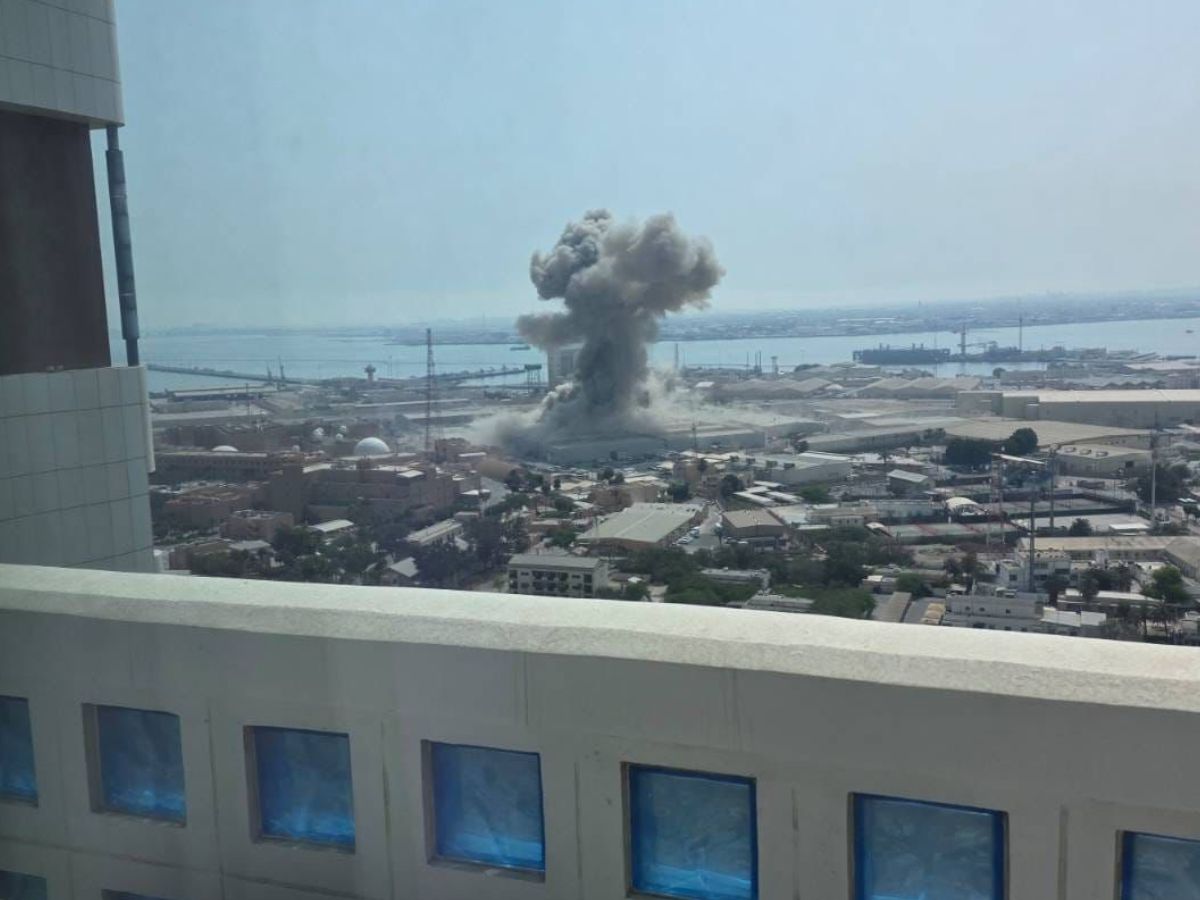
According to a statement issued by Bahrain authorities, a support centre connected to the Fifth Fleet was struck during the attack. Emergency sirens were activated across the capital, Manama, as explosions were heard in multiple areas. Smoke was seen rising from parts of the city, prompting immediate security lockdowns.
Bahrain confirms missile impact near Fifth Fleet operations
Bahrain National Communication Centre stated that a service facility supporting the US Navy’s Fifth Fleet had been targeted by missiles. Officials said further details would be released after damage assessments were completed. Independent verification of the scale of damage or casualties is not yet available.
Security analysts note that the Fifth Fleet, headquartered in Bahrain, plays a central role in overseeing naval operations across the Gulf, Red Sea, Arabian Sea, and parts of the Indian Ocean. Any disruption to its operations could have wider implications for maritime security and commercial shipping routes.
The Fifth Fleet operates under the United States Navy and is critical to safeguarding energy corridors used for global oil and gas transport.

Explosions reported across Gulf capitals
Following the strike in Bahrain, reports emerged of explosions or air defense activity in several Gulf capitals, including Riyadh, Abu Dhabi, and Doha. Authorities in these cities activated emergency response protocols and urged residents to remain indoors.
Qatari officials stated that two incoming missiles were intercepted by air defense systems. They clarified that Al Udeid Air Base currently does not host active US naval assets. This information has not been independently confirmed.
US naval assets reportedly repositioned earlier
Satellite imagery cited by regional security observers suggests that US naval vessels had been repositioned away from Bahrain prior to the attack amid rising tensions. Military officials have not confirmed whether this move reduced damage or casualties.
Analysts believe the repositioning may indicate advanced intelligence warnings or heightened readiness as tensions between Iran and the US Israel alliance intensified in recent days.
Background to the escalation
The missile strike follows coordinated US and Israeli military action against Iranian targets earlier the same day. The operation, referred to by US officials as Operation Epic Fury, was described as a preemptive effort to neutralize perceived security threats.
US President Donald Trump stated that the strikes were necessary to protect American interests and personnel in the region. Iranian authorities strongly rejected this justification and vowed a decisive response.
Iran’s Foreign Ministry said the country had been open to diplomatic engagement but would now defend itself against what it described as aggression. Iranian officials characterized the missile launches as defensive retaliation.
Reports also indicated that Iran’s Supreme Leader, Ayatollah Ali Khamenei, was moved to a secure location following explosions reported near government facilities. This information cannot be independently confirmed at this time.
Gulf nations on high alert as risks rise
Following the attack, Gulf states raised military readiness levels and activated air defense systems. Civil aviation authorities in the region monitored airspace closely, while some countries temporarily restricted non essential travel.
Energy market analysts warn that continued escalation could threaten oil production facilities and shipping lanes, potentially impacting global energy prices and supply chains.
What happens next
The missile strike on the US Navy base in Bahrain significantly raises the risk of broader regional confrontation. Diplomatic efforts are expected to intensify, but military preparedness remains high across the Gulf.
Officials across the Middle East continue to assess infrastructure damage, monitor missile activity, and prepare for potential further escalation. Global leaders have urged restraint as the situation remains fluid and highly volatile.