 0
0
 0
0
iPhone Air vs iPhone 16 Plus sales data reveals a significant shift in buyer preferences, with the newer model outperforming its predecessor by a wide margin. Early insights from industry analytics suggest that Apple’s redesign strategy has delivered measurable results in adoption and user interest.
The comparison highlights how the iPhone Air has quickly established itself as a more appealing option within Apple’s lineup, particularly when measured against the iPhone 16 Plus it effectively replaced.
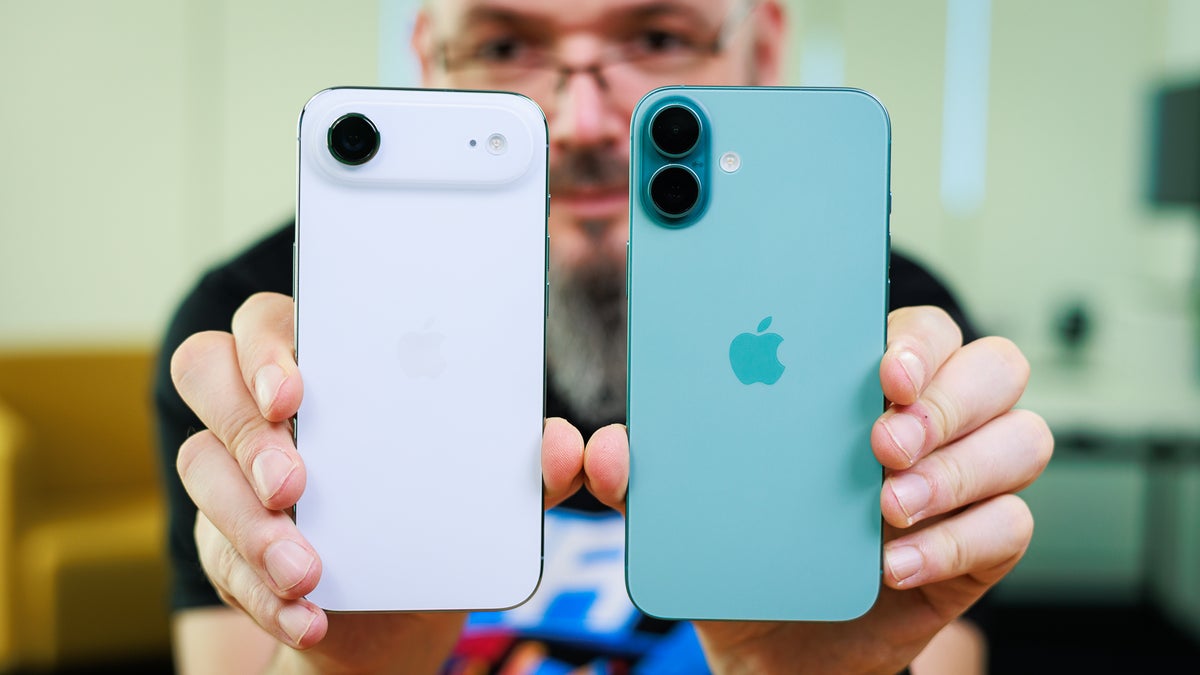
iPhone Air Sales Performance Breakdown
Recent data indicates that the iPhone Air accounts for a much larger share of its generation’s sales compared to the iPhone 16 Plus.
Key Market Share Figures
- iPhone Air: 6.8% of iPhone 17 series sales
- iPhone 16 Plus: 2.9% of iPhone 16 series sales
This means the iPhone Air is more than twice as successful in terms of share within its generation.
What the Numbers Suggest
The iPhone Air vs iPhone 16 Plus sales gap suggests:
- Stronger consumer interest in redesigned models
- Higher demand for differentiated features
- Improved positioning within Apple’s product lineup
These figures are based on network performance samples rather than official sales reports, but they provide a useful snapshot of real-world usage trends.
Why the iPhone Air Is Gaining Traction
The success seen in iPhone Air vs iPhone 16 Plus sales can be attributed to several strategic changes.
A Clear Identity and Design Focus
One of the major criticisms of the iPhone 16 Plus was its lack of distinction. It was largely seen as:
- A larger version of the base model
- Limited in unique features
- Less compelling compared to Pro variants
In contrast, the iPhone Air introduces a more defined identity.
Emphasis on Thinness and Portability
Apple’s focus on a thinner design appears to resonate with users. The iPhone Air offers:
- A noticeably slimmer profile
- Lightweight build
- Enhanced portability
This design direction gives consumers a tangible reason to choose it over other models.
Differentiation Within the Lineup
The iPhone Air stands out by occupying a unique middle ground:
- More distinctive than the standard model
- More accessible than Pro versions
- Positioned as a lifestyle-focused device
This balance likely contributes to its stronger adoption.
Impact on Other iPhone Models
The rise in iPhone Air vs iPhone 16 Plus sales is also influencing the broader lineup.
Decline in Pro Model Share
Data suggests that Pro models are seeing a slight decrease in their share of total sales.
Possible reasons include:
- Some users opting for the Air instead of Pro
- Reduced need for high-end features
- Preference for lighter devices over premium specs
Standard Model Growth
The base model in the newer generation is also performing better:
- iPhone 17: 7% share
- iPhone 16: 5.9% share
This indicates a broader shift toward non-Pro devices.
Performance and Modem Advancements
Beyond design, hardware improvements also play a role in the iPhone Air’s performance.
Introduction of the C1X Modem
The iPhone Air features Apple’s updated C1X modem, which represents a notable improvement.
Key Improvements
- Faster download speeds
- More consistent network performance
- Reduced gap with leading modem providers
Comparison with Competing Technology
The C1X modem is reported to perform close to Qualcomm’s X80 modem in real-world conditions.
This marks a shift from earlier iterations, where Apple’s in-house modems lagged behind competitors in speed and efficiency.
Real-World Impact
For users, this translates to:
- Better streaming performance
- Faster downloads
- Improved connectivity in various environments
Competition with Samsung Devices
The iPhone Air vs iPhone 16 Plus sales trend also extends into competition with other brands.
Comparison with Galaxy S25 Edge
Data suggests that the iPhone Air significantly outperforms Samsung’s competing model in certain markets.
Regional Insights
- United States: iPhone Air leads by approximately 3-to-1
- United Kingdom and Germany: Competitor presence remains below 1%
Market Implications
This indicates:
- Stronger brand positioning for Apple
- Better market penetration for the Air model
- Limited traction for competing thin-design devices
Limitations of the Data
While the iPhone Air vs iPhone 16 Plus sales figures are compelling, it is important to consider their context.
Source of the Data
The analysis is based on network testing samples rather than official sales numbers.
This means:
- Results may not represent total global sales
- Sample bias could influence percentages
- Trends should be interpreted cautiously
Why It Still Matters
Despite limitations, such data offers:
- Early indicators of market trends
- Insights into user behavior
- Useful comparisons across device generations
Broader Strategy Behind the iPhone Air
Apple’s approach with the Air model reflects a broader strategic shift.
Moving Beyond Incremental Upgrades
The transition from the Plus model to the Air suggests a move away from:
- Simple size-based differentiation
- Repetitive design cycles
Instead, Apple appears focused on:
- Creating distinct product identities
- Addressing specific user needs
- Innovating in design and usability
Positioning for Future Growth
The success of the Air model could influence future decisions, such as:
- Expanding the Air lineup
- Reducing emphasis on Plus variants
- Introducing more specialized device categories
FAQ Section
Why is the iPhone Air more successful than the iPhone 16 Plus?
The iPhone Air offers a thinner design, clearer identity, and better differentiation, making it more appealing than the iPhone 16 Plus.
How much more successful is the iPhone Air compared to the iPhone 16 Plus?
Based on available data, the iPhone Air holds 6.8% of its generation’s sales compared to 2.9% for the iPhone 16 Plus.
Does the iPhone Air affect Pro model sales?
Yes, some users appear to be choosing the iPhone Air over Pro models, leading to a slight decline in Pro model share.
Is the iPhone Air faster than previous models?
With the upgraded C1X modem, the iPhone Air delivers improved network performance and speeds closer to leading competitors.
Conclusion
The iPhone Air vs iPhone 16 Plus sales comparison highlights a meaningful shift in consumer preferences. By introducing a more distinctive design and improving performance, Apple has positioned the Air model as a compelling alternative within its lineup. While the data is not official, the trend suggests that innovation in form factor and usability can significantly influence adoption. As the smartphone market continues to evolve, the success of the iPhone Air may shape future product strategies and design priorities.
Click here for more news