


The issue of how India deports undocumented Bangladeshis has moved to the forefront of public discussion after authorities reported that nearly 5,000 Bangladeshi nationals were expelled following a major political change in West Bengal. The development comes after the Bharatiya Janata Party (BJP) secured a decisive electoral victory in the eastern Indian state, leading to stricter immigration enforcement measures along the Bangladesh border.
Officials say the action is part of a broader effort to identify and remove individuals living in India without legal authorization. The move has also included plans to expand detention facilities and strengthen monitoring of border regions.
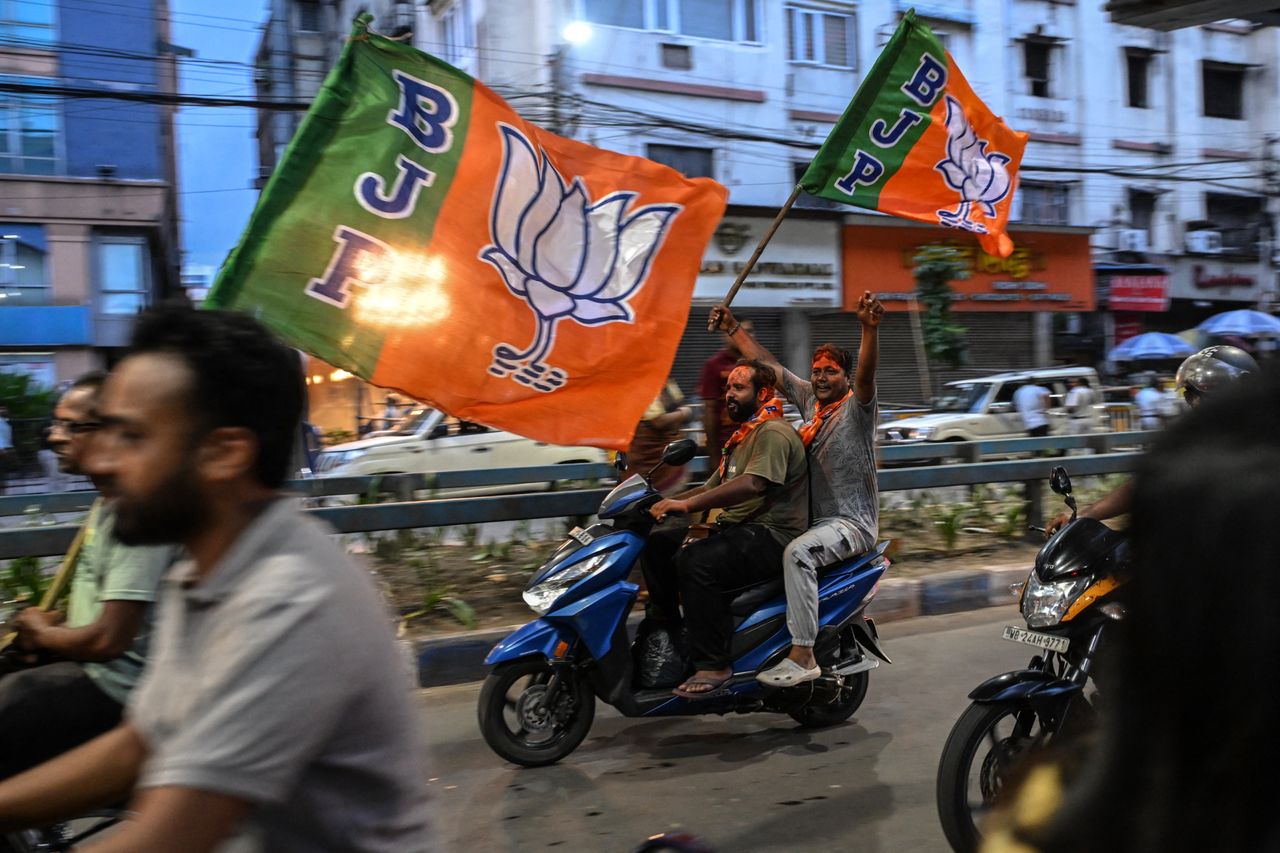

India Deports Undocumented Bangladeshis Following Election Result
Following its election victory, the new administration in West Bengal announced a series of initiatives aimed at addressing undocumented migration.
Authorities stated that their policy focuses on identifying foreign nationals residing in the state without valid documentation and ensuring compliance with immigration laws.
The measures include:
- Increased verification of identity documents
- Expanded border surveillance
- Establishment of additional detention facilities
- Enhanced cooperation between state and national agencies
- Accelerated deportation procedures where legally applicable
Officials argue that the steps are necessary to improve immigration management and maintain accurate population records.
Why India Deports Undocumented Bangladeshis Under New Policy
Government statistics indicate that close to 5,000 Bangladeshi citizens have been deported since the new administration assumed office.
The reported removals represent one of the largest recent immigration enforcement actions in the region.
Border Security Operations Intensified
Security personnel have increased patrol activities across several districts bordering Bangladesh.
Authorities say the objective is to identify undocumented migrants and prevent unlawful cross-border movement.
Several checkpoints have also reportedly been strengthened to improve monitoring of migration routes that have historically experienced significant movement between the two countries.
Verification and Identification Process
Officials note that deportations are conducted after verification procedures designed to establish nationality and legal status.
The process typically involves:
- Identity checks
- Document verification
- Coordination with relevant authorities
- Confirmation of nationality
- Administrative processing before deportation
Authorities maintain that legal procedures are followed before any removal takes place.
Long History of Migration Across the India-Bangladesh Border
Migration between India and Bangladesh has been a longstanding issue due to the countries’ shared border and deep historical connections.
Families living on both sides of the border often maintain social, cultural, and economic ties that date back generations.
Economic Factors Driving Migration
Experts have frequently cited economic opportunities as one of the major reasons people move across borders in South Asia.
Some migrants seek employment opportunities, while others relocate to join family members already residing in neighboring areas.
The movement of people has continued for decades despite periodic efforts by governments to strengthen border management.
Geographic Challenges
The India-Bangladesh border stretches thousands of kilometers across diverse terrain, making enforcement a complex task.
Challenges include:
- River crossings
- Rural border communities
- Agricultural lands near boundary lines
- Dense population centers
- Long-standing cross-border family networks
These factors have historically made monitoring migration difficult for authorities.
Detention Centers Expanded Under New Policy
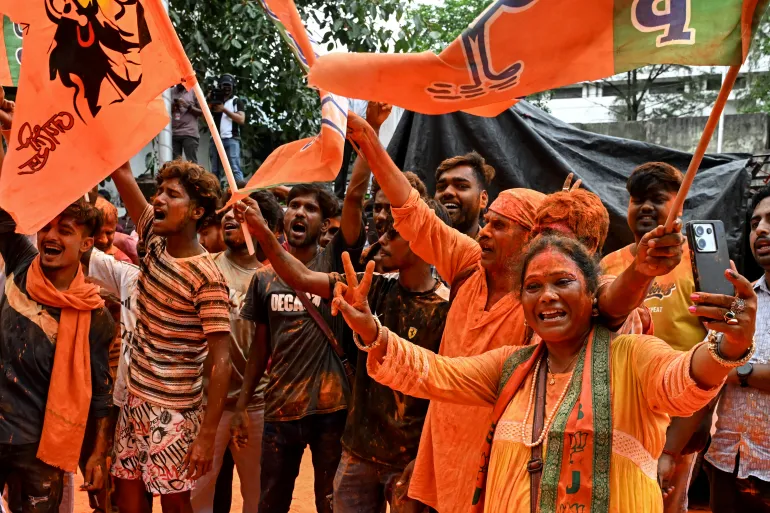
One of the most significant developments following the election has been the decision to establish additional detention centers.
State authorities announced plans to create facilities intended to house undocumented migrants during administrative and legal processing.

Purpose of the Facilities
Officials say the centers are designed to temporarily accommodate individuals whose immigration status is under review.
The facilities are expected to support:
- Identity verification procedures
- Legal documentation reviews
- Coordination with foreign authorities
- Deportation processing
Authorities maintain that the centers are part of administrative efforts to manage immigration cases more efficiently.
Capacity and Administration
Government representatives have indicated that the expansion is intended to address increasing workloads associated with immigration enforcement.
Additional infrastructure and personnel may be deployed to support operations in districts experiencing higher numbers of undocumented migration cases.
Rohingya Refugees Also Affected by Enforcement Efforts
The crackdown has also drawn attention because it includes action involving Rohingya refugees.
The Rohingya are a predominantly Muslim ethnic minority originally from Myanmar who have faced displacement and humanitarian challenges over the years.
Many Rohingya fled violence and persecution, seeking refuge in neighboring countries throughout South Asia.
Increased Monitoring of Refugee Populations
Authorities in West Bengal have reportedly expanded efforts to verify documentation among refugee communities.
Officials say the goal is to determine legal status and ensure compliance with existing regulations.
The issue remains sensitive due to the humanitarian dimensions associated with refugee displacement.
International Attention on Refugee Policies
Migration and refugee management continue to be closely watched by international organizations and human rights groups.
Observers often emphasize the importance of balancing national security concerns with humanitarian obligations and legal protections.
Political Significance of the Election Outcome
The policy changes emerged shortly after the BJP secured a significant electoral victory in West Bengal.
Immigration enforcement was a prominent issue during the campaign, with party leaders pledging stronger action against illegal migration.
Campaign Promises on Migration
Political leaders argued that stricter immigration controls were necessary to address concerns related to security, demographics, and administrative management.
The issue became a major talking point throughout the election campaign.
Following the victory, authorities moved quickly to implement several of the proposals discussed during the electoral process.
Impact on State Governance
Analysts suggest that immigration enforcement is likely to remain a key area of focus for the new administration.
Future policy decisions may include additional border management initiatives, expanded verification programs, and further coordination with federal agencies.
India Deports Undocumented Bangladeshis as Border Enforcement Expands
The latest deportations may influence discussions between India and Bangladesh regarding migration management and border cooperation.
Both countries have previously worked together on issues involving border security, trade, and regional stability.
Cooperation Between Governments
Cross-border coordination often plays an important role in handling deportations and nationality verification.
Government agencies typically communicate to ensure that individuals being returned are properly identified and accepted by the receiving country.
Ongoing Policy Debate
The question of undocumented migration continues to generate debate among policymakers, security experts, and civil society organizations.
Supporters of stricter enforcement argue that countries must maintain control over immigration systems, while others stress the importance of humanitarian considerations and due process protections.
As enforcement efforts continue, the issue is expected to remain a significant topic in both domestic and regional policy discussions.

FAQ
Why is India deporting undocumented Bangladeshis from West Bengal?
Authorities say the deportations are part of immigration enforcement efforts aimed at identifying and removing foreign nationals residing in the state without legal authorization.
How many Bangladeshis have reportedly been deported?
Official figures indicate that nearly 5,000 Bangladeshi citizens have been deported since the new administration took office in West Bengal.
What role did the West Bengal election play in the policy changes?
Immigration enforcement was a major campaign issue. After winning the election, the new government began implementing measures focused on detecting and deporting undocumented migrants.
Are Rohingya refugees included in the enforcement campaign?
Authorities have reportedly expanded documentation checks involving Rohingya populations as part of broader immigration verification efforts.
Conclusion
The recent developments surrounding how India deports undocumented Bangladeshis reflect a broader shift in immigration enforcement policy following political changes in West Bengal. With thousands of deportations reported, expanded detention facilities, and increased border monitoring, authorities appear committed to implementing stricter migration controls. As the situation evolves, attention is likely to remain focused on legal procedures, humanitarian concerns, and the broader impact on regional migration management.
Click here for more news


