


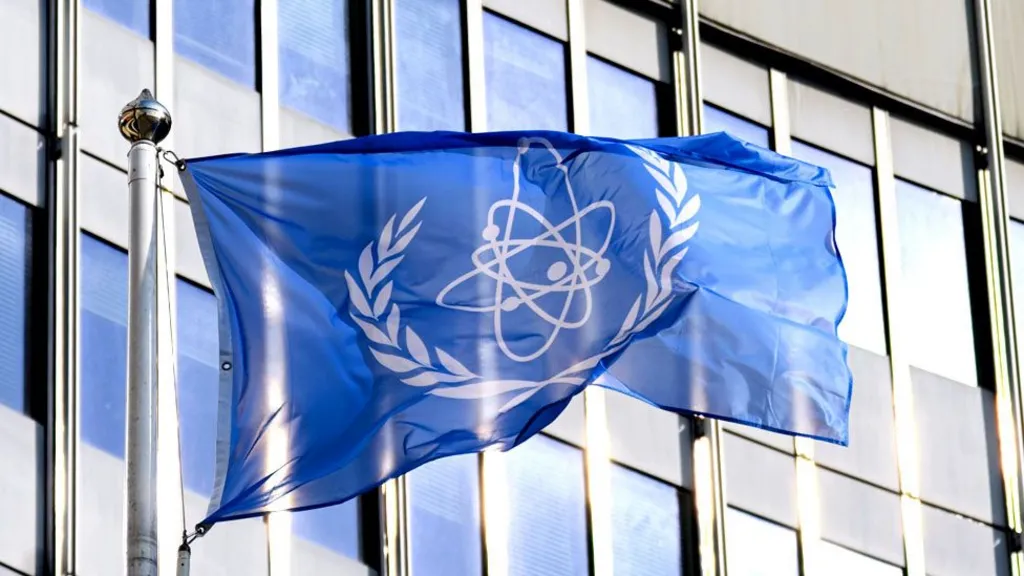
IAEA restraint Natanz nuclear strike 2026 is drawing global attention after the United Nations nuclear watchdog urged caution following reports of a renewed attack on Iran’s key enrichment facility.
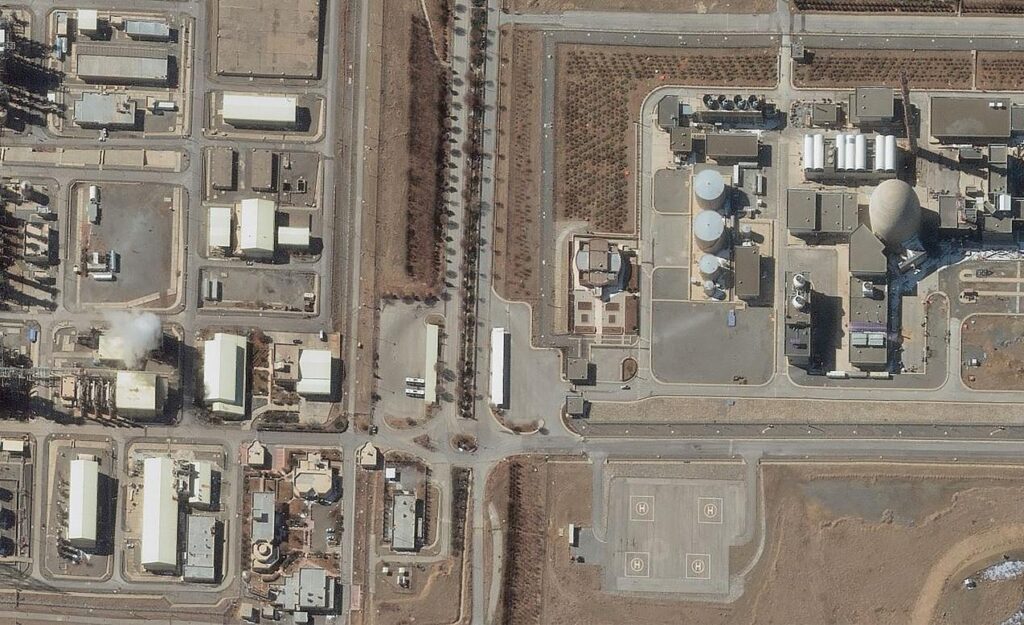

Reported Strike on Natanz Nuclear Facility
Iranian authorities confirmed that the Shahid Ahmadi-Roshan uranium enrichment complex in Natanz was targeted again amid ongoing military operations.
Location and Strategic Importance
The Natanz Nuclear Facility is:
- Iran’s primary uranium enrichment site
- Located southeast of Tehran
- Central to the country’s nuclear programme
Initial Iranian Assessment
According to Iran’s Atomic Energy Organization:
- No radioactive leakage was detected
- Surrounding communities are not at risk
- The strike was described as a violation of international law
Legal and Treaty Concerns
Iran cited potential breaches of:
- The Nuclear Non-Proliferation Treaty (NPT)
- International commitments governing nuclear safety
IAEA Confirms Awareness and Urges Restraint
The International Atomic Energy Agency acknowledged receiving information about the incident.
Statement from Director General
Rafael Grossi reiterated the need for caution, emphasizing:
- Avoidance of escalation
- Prevention of nuclear accidents
- Importance of maintaining safety around nuclear infrastructure
Radiation Monitoring Update
The agency reported:
- No increase in off-site radiation levels
- Ongoing verification and monitoring
- Continued communication with Iranian authorities
Conflicting Reports Over Responsibility
Uncertainty remains about who carried out the reported strike.
Israeli Military Response
The Israel Defense Forces stated:
- It did not conduct operations in the area
- It could not comment on possible U.S. involvement
Reports Suggesting U.S. Role
Some media outlets, citing unnamed sources, indicated:
- Possible use of bunker-buster bombs
- U.S. involvement in targeting the facility
However, no official confirmation has been provided.
Background: Previous Attacks on Natanz
The IAEA restraint Natanz nuclear strike 2026 comes amid a pattern of earlier incidents.
Earlier Strikes and Damage
- Natanz was previously targeted in June 2025
- Satellite imagery showed structural damage
- Experts previously reported no major radiological consequences
Escalation in Ongoing Conflict
The broader conflict began on February 28, 2026, involving:
- Donald Trump
- Benjamin Netanyahu
The situation has since evolved into sustained military exchanges.
Rising Regional Tensions
The reported strike is part of a wider escalation across the Middle East.
Missile Attack in Israel
- At least 20 people were reportedly injured
- The attack targeted Dimona, a sensitive nuclear-related area
- The city hosts the Shimon Peres Negev Nuclear Research Center
Intensifying Airstrikes
Recent developments include:
- Heavy airstrikes reported in Tehran
- Increased military activity expected in the coming days
- Warnings from Israeli officials of expanded operations
International Reactions and Legal Concerns
Global responses have focused on legal and safety implications.
Russia’s Position
Russian officials described the strike as:
- A violation of international law
- Contrary to UN and nuclear agency frameworks
- A potential threat to global nuclear safety
Broader Nuclear Risk Context
Concerns are heightened by:
- Existing global tensions involving nuclear facilities
- Ongoing conflicts increasing risk exposure
- Challenges in maintaining oversight during wartime
U.S. Policy Signals and Military Movements
The IAEA restraint Natanz nuclear strike 2026 also highlights mixed signals from the United States.
Statements from Donald Trump
Trump indicated:
- Possible plans to wind down operations
- Claims that military objectives are nearing completion
Continued Military Deployment
Despite such statements:
- Additional U.S. troops have been deployed
- Amphibious assault ships have been sent to the region
- Military presence continues to expand
Risks of Nuclear Infrastructure Attacks
Experts warn that targeting nuclear sites carries significant dangers.
Potential Consequences
- Radiation leaks if containment systems fail
- Environmental contamination
- Civilian health risks
Importance of Restraint
The IAEA’s call underscores:
- The need to avoid escalation
- Protection of nuclear facilities during conflict
- Adherence to international safety norms
FAQ Section
What is the Natanz nuclear facility?
It is Iran’s main uranium enrichment site, central to its nuclear programme.
Did the strike cause radiation leakage?
No, initial reports indicate no radiation leak or risk to nearby residents.
What did the IAEA say about the strike?
The IAEA confirmed awareness and called for restraint to prevent nuclear accidents.
Who carried out the Natanz strike?
Responsibility remains unclear, with conflicting reports and no official confirmation.
Conclusion
The IAEA restraint Natanz nuclear strike 2026 highlights growing concerns over the safety of nuclear infrastructure during armed conflict. While no radiation leakage has been reported, the incident underscores the risks associated with escalating military actions and the importance of international oversight. As investigations continue, global attention remains focused on preventing further escalation and ensuring nuclear safety.
PLEASE CLICK HERE FOR MORE NEWS


