 0
0
 0
0
Hungary election Viktor Orban ousted marked a historic political shift as voters ended Viktor Orbán’s 16-year rule and elected opposition leader Péter Magyar in a decisive parliamentary victory.
The election result signals a major turning point in Hungary’s political landscape, with promises of reforms, renewed international relations, and a departure from years of controversial governance.
Decisive Election Result Ends Orbán Era
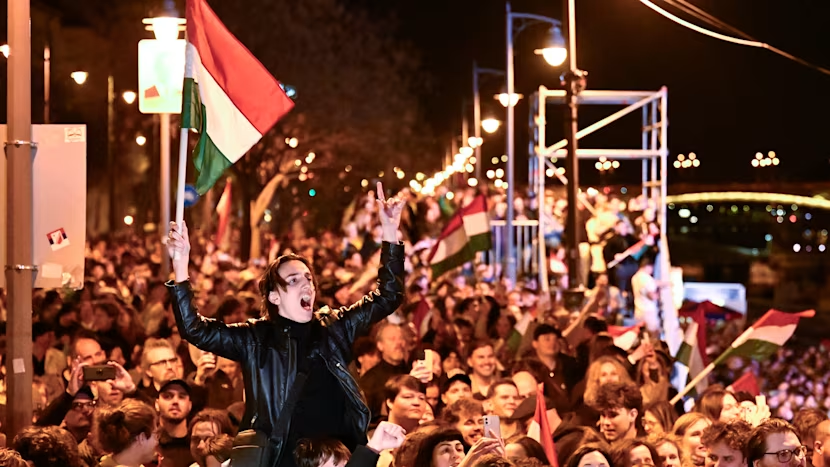
Hungarian voters delivered a clear verdict in the national election, removing long-serving Prime Minister Viktor Orbán from power after more than a decade and a half.
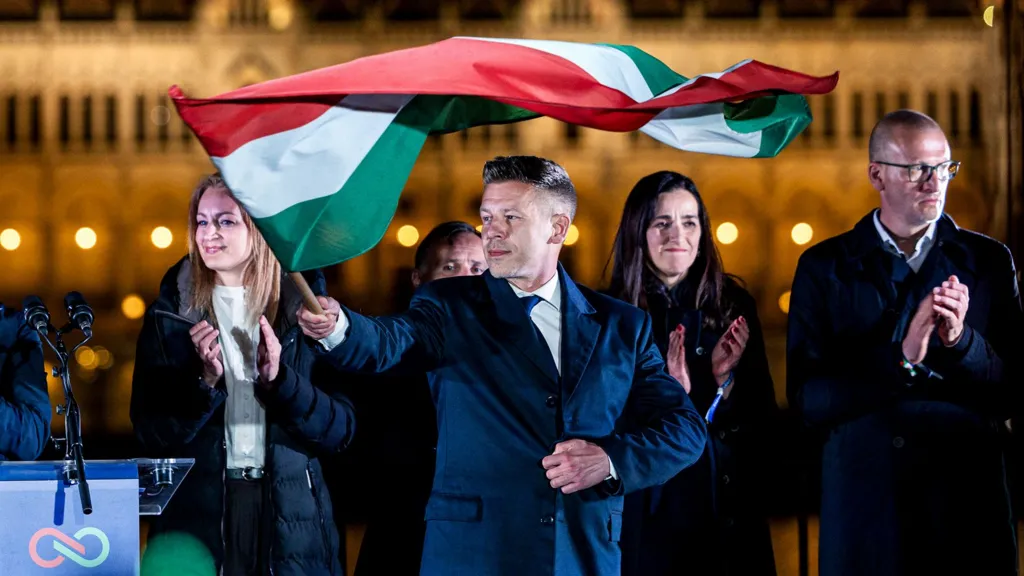
The opposition Tisza party, led by Péter Magyar, secured a strong parliamentary majority, winning 138 out of 199 seats. This outcome reflects widespread public support for political change.
Orbán, leader of the ruling Fidesz party, conceded defeat shortly after polls closed.
Orbán Concedes Defeat
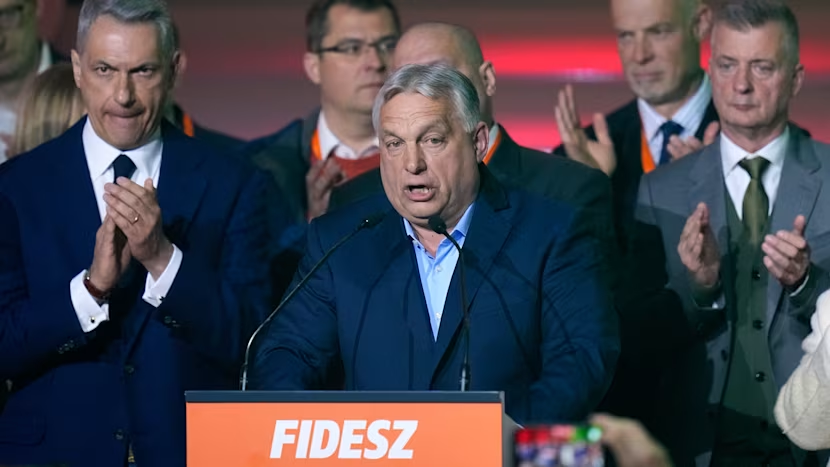
In his concession speech, Orbán described the outcome as “painful but unambiguous,” acknowledging the voters’ decision.
He stated that his party would continue to serve Hungary from the opposition benches, signaling a peaceful transition of power.
Length of Orbán’s Leadership
Orbán had been in power since 2010, making him one of Europe’s longest-serving leaders in recent years.
During this period, his leadership style and policies attracted both domestic support and international criticism.
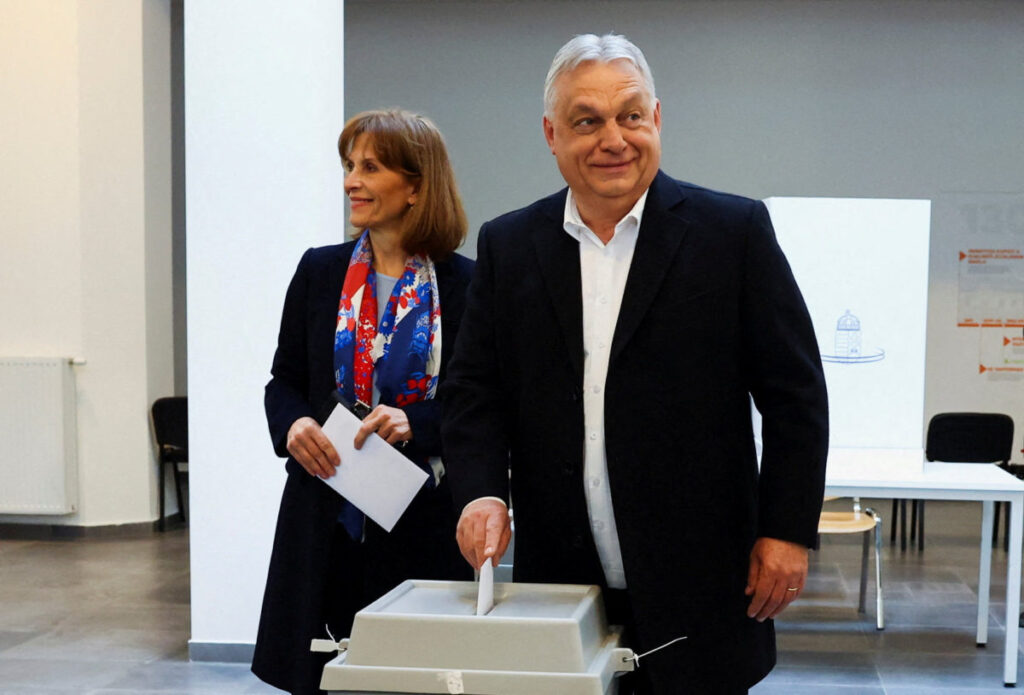
Péter Magyar’s Rise to Power
Péter Magyar’s victory is notable not only for its scale but also for the speed of his political ascent.
A former insider within Orbán’s political circle, Magyar broke away and emerged as a leading opposition figure in a relatively short time.
From Insider to Challenger
Magyar’s political journey began within the establishment but took a dramatic turn in 2024 when he split from the ruling party.
He positioned himself as a reformist candidate, focusing on transparency, accountability, and improved public services.
Campaign Focus and Public Support
His campaign centered on key issues affecting Hungarian citizens, including:
- Allegations of corruption
- Declining public service quality
- Economic concerns and governance standards
This approach resonated strongly with voters, contributing to the Hungary election Viktor Orban ousted outcome.
Victory Speech Message
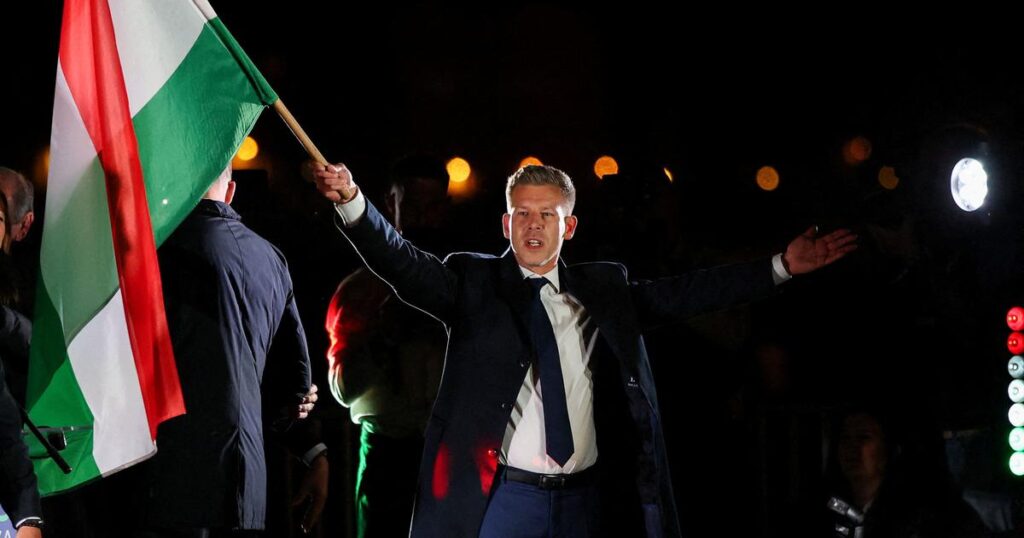
Following his win, Magyar emphasized unity and change.
He declared that Hungarians had collectively replaced the previous system and opened a new chapter for the country.
Parliamentary Majority and Political Impact
The Tisza party’s commanding majority in parliament gives Magyar significant authority to implement his agenda.
Winning 138 out of 199 seats provides a stable governing position and reduces the likelihood of legislative gridlock.
What the Majority Means
A strong parliamentary majority allows the new government to:
- Pass reforms more efficiently
- Reshape policy direction
- Address institutional challenges
It also indicates a clear mandate from voters for political transformation.
Immediate Political Shifts Expected
Observers expect several immediate changes in governance, including:
- Revisions to domestic policies
- Institutional reforms
- Greater transparency in administration
These developments will shape Hungary’s direction in the coming years.
Relations with the European Union and NATO
One of the most significant aspects of the Hungary election Viktor Orban ousted result is its potential impact on international relations.
Magyar has pledged to repair Hungary’s ties with major Western institutions.
EU Relations Under Scrutiny
Under Orbán, Hungary’s relationship with the European Union faced repeated tensions.
Critics within the EU accused the government of undermining democratic standards and the rule of law.
The European Parliament had previously characterized Hungary as a system where elections exist but democratic norms are weakened.
NATO and Foreign Policy Direction
Magyar has also committed to strengthening ties with the North Atlantic Treaty Organization.
This marks a potential shift from previous policies that often placed Hungary at odds with Western allies.
Potential Diplomatic Reset
The new leadership is expected to:
- Rebuild trust with EU partners
- Align more closely with NATO policies
- Adopt a more cooperative foreign policy stance
These changes could improve Hungary’s standing on the global stage.
Orbán’s Controversial Legacy
Viktor Orbán’s tenure leaves behind a complex and debated legacy.
While he maintained strong domestic support for years, his leadership style drew significant criticism internationally.
Accusations of Democratic Backsliding
European institutions accused Orbán’s government of weakening democratic checks and balances.
Concerns included:
- Media independence
- Judicial autonomy
- Electoral fairness
These issues became central topics in both domestic and international discussions.
Foreign Policy Disputes
Orbán frequently clashed with European Union partners, particularly over the war in Ukraine.
His government blocked certain funding measures intended to support Ukraine, creating friction within the bloc.
Relations with Russia and Global Alliances
Orbán maintained close ties with Russian leadership, which further complicated Hungary’s relationships with Western allies.
He also received political backing from figures in the United States during his time in office.
What Lies Ahead for Hungary
The Hungary election Viktor Orban ousted outcome raises important questions about the country’s future direction.
With a new government in place, attention now turns to how effectively campaign promises will be translated into policy.

Key Priorities for the New Government
Péter Magyar’s administration is expected to focus on:
- Anti-corruption measures
- Public sector improvements
- Economic reforms
- Strengthening democratic institutions
Challenges Ahead
Despite the strong mandate, challenges remain:
- Managing political divisions
- Delivering rapid reforms
- Balancing domestic and international expectations
Public Expectations
Voters who supported change will likely expect visible improvements in governance and living conditions.
Meeting these expectations will be crucial for maintaining public trust.

Broader Implications for Europe
Hungary’s election result may have wider implications across Europe.
It reflects shifting political dynamics and highlights the role of voters in shaping national and regional policies.
Signal to Other Nations
The outcome could serve as an example of how long-standing governments can be replaced through democratic processes.
Impact on EU Unity
A change in Hungary’s stance may influence European Union cohesion, particularly on key issues such as foreign policy and democratic standards.
FAQ
Why was Viktor Orbán voted out after 16 years?
Voters expressed concerns over governance issues such as corruption, public services, and democratic standards, leading to strong support for opposition candidate Péter Magyar.
Who is Péter Magyar and what does he represent?
Péter Magyar is a former political insider who became an opposition leader, campaigning on reform, transparency, and improved international relations.
How many seats did the Tisza party win in the election?
The Tisza party secured 138 out of 199 parliamentary seats, giving it a clear majority.
What changes are expected after Hungary election Viktor Orban ousted?
Expected changes include improved relations with the EU and NATO, governance reforms, and efforts to strengthen democratic institutions.
Conclusion
The Hungary election Viktor Orban ousted result marks a significant political transition, ending a long period of leadership and opening the door to new policies and priorities. With a strong parliamentary majority and clear public mandate, Péter Magyar’s government now faces the task of delivering meaningful reforms while navigating both domestic expectations and international relationships.