 0
0
 0
0
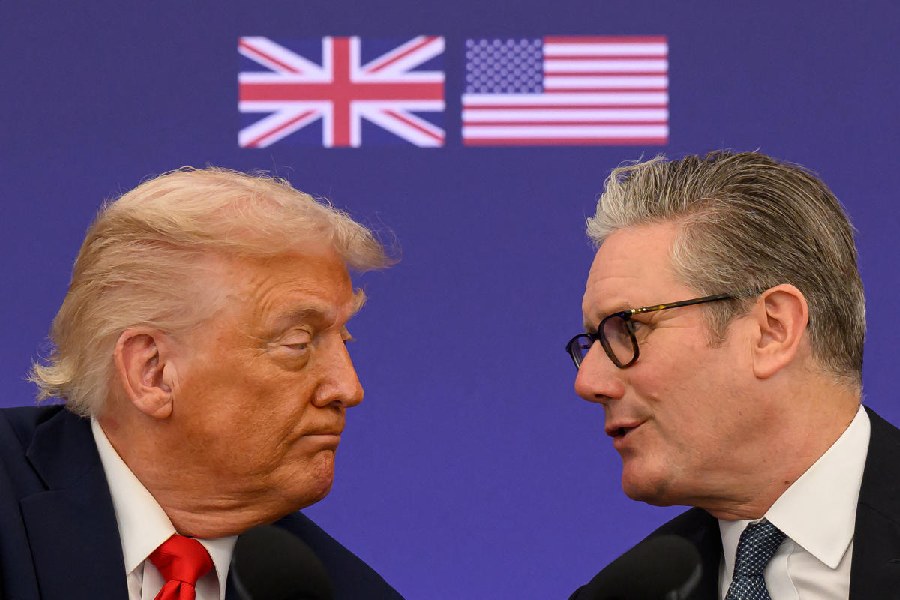
Trump Starmer Iran Strikes Split has intensified diplomatic tensions between the United States and the United Kingdom following sharp criticism from US President Donald Trump directed at UK Prime Minister Keir Starmer over Britain’s refusal to join recent strikes on Iran.
The disagreement highlights a rare public strain in the long standing relationship between the two allies, often described as the special relationship. The split comes after joint American and Israeli military strikes targeting sites in Tehran, actions that the British government declined to support offensively.
Trump Criticises Starmer Over Iran Strikes
Speaking in a phone interview from the White House with The Sun newspaper in London, President Trump described Starmer’s stance as disappointing. He said he was “very sad” that the relationship between Washington and London was “not what it was.”
Trump further stated that the British Prime Minister had not been helpful in the handling of the situation. He also previously accused the UK government of taking too long to approve the use of British airbases for US operations linked to the Iran conflict.
According to Trump, the relationship between the two nations had historically been among the strongest alliances globally. However, he suggested that ties with other European countries such as France and Germany were currently stronger in light of their responses to the conflict.
His comments signal a clear shift in tone between the two governments during a period of heightened geopolitical uncertainty in the Middle East.
Keir Starmer Defends UK Position on Iran Conflict
In response to the unfolding situation, Prime Minister Keir Starmer addressed Parliament and firmly defended his government’s decision not to participate in offensive military strikes against Iran.
Starmer stated that the UK does not support “regime change from the skies,” referencing historical lessons from the Iraq war. He emphasized the need for a lawful basis before engaging in any military intervention.
The Prime Minister clarified that while the UK declined to take part in offensive operations, it separately considered and approved defensive measures. These measures involved responding to missile launchers threatening allied nations in the region and posing risks to British citizens and service personnel.
Starmer told lawmakers that both decisions were made based on clear legal and strategic principles. He reaffirmed his commitment to those decisions despite criticism from Washington.
Economic Concerns as Iran War Escalates
Beyond diplomatic tensions, the widening Trump Starmer Iran Strikes Split comes at a time when economic concerns are mounting in the United Kingdom.
UK Chancellor Rachel Reeves delivered her Spring Statement in the House of Commons against the backdrop of the escalating conflict. She acknowledged the uncertainty facing global markets and warned of potential economic turbulence.
Reeves stated that the government aims to secure the UK economy against shocks and protect households from the broader impact of international instability. Analysts expect the Iran conflict to affect global oil prices, which could lead to higher energy bills and increased pressure on families already facing cost of living challenges.
The potential spike in oil prices may also impact transportation, food costs, and broader inflation trends. Economists suggest that geopolitical instability in the Middle East historically leads to volatility in global energy markets.
UK US Special Relationship Under Strain
The Trump Starmer Iran Strikes Split has drawn attention to the evolving nature of the UK US alliance. Historically, the two countries have cooperated closely on military and intelligence matters.
However, Starmer’s emphasis on legal justification and cautious military engagement reflects a policy approach shaped by past conflicts. Meanwhile, Trump’s public criticism indicates frustration over what he perceives as reduced support from a key ally.
Diplomatic observers note that disagreements between allies are not uncommon, especially during complex international crises. The long term impact on bilateral cooperation will likely depend on future negotiations and strategic priorities on both sides.
What Happens Next
The situation remains fluid as the conflict involving Iran continues to unfold. While military and diplomatic strategies may evolve, the Trump Starmer Iran Strikes Split underscores broader debates about international intervention, sovereignty, and alliance politics.
As both governments navigate domestic and international pressures, the focus will remain on regional stability, economic resilience, and maintaining critical diplomatic channels.
For now, the divide between Washington and London over Iran marks one of the most notable public disagreements in recent years between the two long standing allies.
Please click here for more news