 0
0
 0
0
In northern Colombia, a small traditional crop is playing a growing role in the fight against hunger and climate stress. The Guajiro bean, a legume native to the Wayuu Indigenous people, is helping communities in the La Guajira region rebuild food security after years of drought and environmental disruption.

A Region Facing Climate and Food Challenges
La Guajira sits along Colombia’s Caribbean coast and is home to many Wayuu communities. It is also one of the country’s poorest regions. Limited access to clean water, unreliable electricity and extreme weather patterns have made farming increasingly difficult.
A prolonged drought during the 2010s severely damaged crops and native seeds. According to government data, rainfall in parts of La Guajira fell by up to 80 percent, leaving communities vulnerable to food shortages. Today, the region continues to report some of Colombia’s highest rates of malnutrition, particularly among children and older adults.

Why the Guajiro Bean Matters
The Guajiro bean has survived for generations in La Guajira’s harsh coastal desert climate. It matures quickly, can be harvested in about three months and continues producing for several more months. The bean is edible at every stage of growth and is rich in protein, fiber and essential minerals.
Its deep root system allows it to withstand flooding and long dry periods, making it especially valuable as climate change increases weather extremes. For many Wayuu families, the bean represents both cultural heritage and a practical solution to food scarcity.

Reviving Traditional Agriculture Through Schools
In the village of Ishashimana, community leaders reintroduced the Guajiro bean into a large school garden about a decade ago. The initiative was developed with support from international food and agriculture organizations focused on preserving traditional crops.
Today, students actively participate in maintaining the garden as part of their school curriculum. The program teaches sustainable farming techniques alongside Indigenous values, helping young people gain skills they can use in their own communities after graduation.
The long term goal is to supply food for the school and nearby villages while creating opportunities to earn income from surplus harvests.

Expanding the Model Across La Guajira
The success in Ishashimana has drawn wider attention. Agricultural development teams, including those working with the United Nations Food and Agriculture Organization, have helped reintroduce the Guajiro bean in at least 10 Wayuu communities across La Guajira.
These efforts combine traditional knowledge with modern tools. Communities have received support to build water wells, access agricultural training and install local weather stations to monitor rainfall and climate conditions. The aim is to ensure the projects can continue independently once outside support ends.

A Model for Other Regions
Similar climate adapted farming approaches have been used in other countries, from weather tracking systems in Thailand to soil improvement programs in Senegal. Interest in the Guajiro bean model has also emerged in parts of Latin America, including Nicaragua, Ecuador and Peru.
While crops may differ by region, the core idea remains the same. Strengthening local food systems by blending Indigenous knowledge with modern agricultural practices.

Investing in the Future
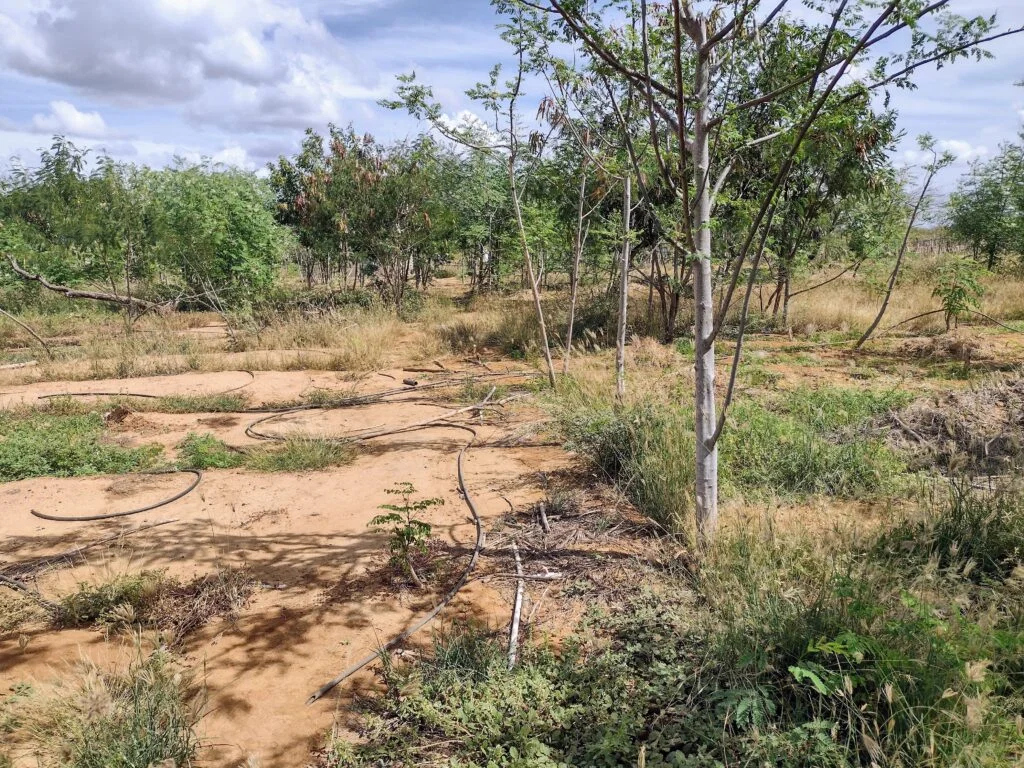
Back in Ishashimana, the school garden now grows multiple traditional foods alongside the Guajiro bean, including pumpkin and watermelon. The work is not without challenges. Water system failures, poor soil conditions and roaming animals can threaten crops.
Despite these difficulties, community leaders see the effort as an investment in long term resilience.
Preserving ancestral farming knowledge, they say, is key to building stronger and more food secure Indigenous communities in a changing climate.