


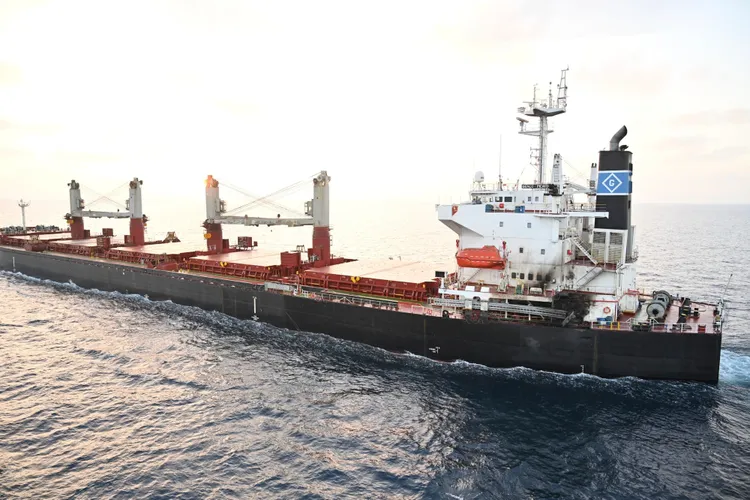
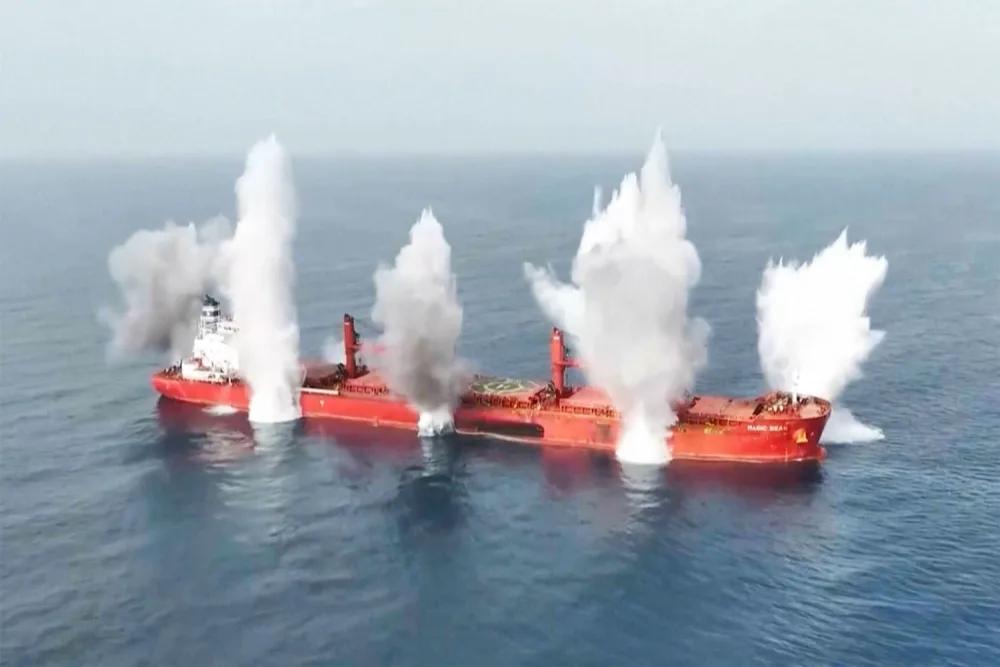
The Houthis Red Sea shipping ban 2026 has added a new layer of uncertainty to an already tense security situation in the Middle East. On June 8, 2026, Yemen’s Ansar Allah movement, commonly known as the Houthis, announced a complete ban on Israeli shipping activities in the Red Sea, stating that vessels linked to Israel would be considered potential military targets.
The announcement came amid a wider escalation involving Israel, Iran, and other regional actors. Analysts are closely monitoring the potential consequences for maritime security, international trade routes, and energy markets as developments continue to unfold.


Houthis Declare Maritime Restrictions in the Red Sea
The Houthi movement said the decision was part of a broader response to ongoing military developments across the region. According to statements issued by the group’s leadership, the restriction applies to Israeli-related shipping activities operating within the Red Sea corridor.
The Red Sea remains one of the world’s most important maritime routes, connecting international markets through the Suez Canal and serving as a critical passage for global trade and energy transportation.
Strategic Importance of the Red Sea
The Red Sea is considered one of the most vital waterways in the world due to several factors:
- It connects Europe, Asia, and Africa.
- It serves as a major route for oil and gas shipments.
- It facilitates a significant percentage of global container traffic.
- It links to the Suez Canal, one of the busiest maritime passages worldwide.
Any disruption in this region can have immediate effects on shipping schedules, insurance costs, and supply chains.
Reason Behind the Announcement
Houthi officials described the move as a response to what they called escalating military actions in the region. The group stated that future actions would be influenced by ongoing developments and broader regional dynamics.
Observers note that maritime security has become an increasingly important aspect of the wider Middle East conflict, with commercial vessels often caught in the middle of geopolitical tensions.
Missile Operations Claimed by the Houthis
Alongside the maritime announcement, the group also reported carrying out a missile operation against targets in the Yafa area.
According to Houthi statements, the operation targeted what they described as sensitive locations. The group claimed that the missiles reached their intended objectives.
Limited Independent Verification
As of the time of reporting, independent confirmation regarding the effectiveness of the claimed missile strikes remained limited.
Military claims made during active conflicts are frequently difficult to verify immediately, especially when information emerges from multiple sides involved in the confrontation.
Growing Security Concerns
The reported missile operation highlights how military actions are increasingly occurring across multiple fronts.
Security experts warn that simultaneous maritime and missile-related developments could increase the risk of wider regional instability if diplomatic efforts fail to reduce tensions.
Israeli Airstrikes Reportedly Target Sites in Iran
The announcement from the Houthis coincided with reports of Israeli military operations inside Iran.
Israeli media outlets reported that the Israeli Air Force conducted a series of strikes targeting military and strategic facilities across Iranian territory.

Strategic Locations Reportedly Hit
Reports indicated that approximately 20 sites were targeted during the operation.
Among the locations mentioned was the petrochemical complex in Mahshahr, a city in southwestern Iran that plays a role in the country’s industrial and energy sectors.
The reported strikes represented one of the latest developments in the ongoing confrontation between Israel and Iran.
Escalation Following Previous Attacks
According to available reports, the Israeli operation followed ballistic missile attacks launched toward northern Israel the previous night.
Those missile launches were reportedly carried out in response to earlier Israeli military activity in Beirut’s southern suburbs.
The sequence of retaliatory actions demonstrates how quickly tensions can spread across national borders in the region.
Regional Conflict Continues to Expand
The Houthis Red Sea shipping ban 2026 is unfolding against a backdrop of interconnected conflicts involving multiple regional actors.
What began as separate confrontations in different locations now appears increasingly linked, with military developments in one country influencing decisions elsewhere.
Multiple Fronts of Tension
Current areas of concern include:
- Maritime security in the Red Sea.
- Israel-Iran military exchanges.
- Security developments in Lebanon.
- Potential impacts on Gulf shipping routes.
- Risks to international commercial navigation.
These overlapping issues have heightened concerns among governments and international organizations monitoring regional stability.
Impact on Global Trade Routes
Shipping companies operating in the region are expected to closely evaluate evolving security conditions.
Potential consequences may include:
- Route adjustments.
- Increased insurance premiums.
- Longer delivery times.
- Higher transportation costs.
- Additional naval security measures.
Previous disruptions in the Red Sea have demonstrated how quickly global supply chains can be affected by regional security events.
Diplomatic Efforts to Reduce Escalation
While military developments continue, diplomatic efforts are reportedly underway to prevent further deterioration of the situation.
Reports suggest that international leaders are engaged in discussions aimed at reducing tensions and encouraging restraint among the parties involved.
Calls for Restraint
Diplomatic channels remain active as governments attempt to prevent the conflict from expanding further.
International observers have emphasized the importance of dialogue and de-escalation measures to avoid broader regional consequences.
Challenges Facing Negotiations
Efforts to reduce tensions face several obstacles, including:
- Ongoing military operations.
- Deep political disagreements.
- Security concerns among regional actors.
- Existing rivalries and alliances.
- Public pressure within affected countries.
These factors make diplomatic progress difficult despite widespread calls for stability.
Concerns Over Energy Markets and Economic Stability
One of the most closely watched aspects of the developing situation is its potential effect on global energy markets.
The Red Sea plays a critical role in transporting oil and natural gas shipments between producing and consuming regions.
Why Markets Are Paying Attention
Energy analysts are monitoring the situation because disruptions in key maritime corridors can influence:
- Oil prices.
- Shipping costs.
- Commodity markets.
- Global inflation trends.
- Supply chain efficiency.
Even temporary interruptions can generate uncertainty across international markets.
Shipping Industry Response
Maritime operators and logistics companies are expected to continue assessing security conditions in the area.
Many firms have contingency plans for periods of geopolitical instability, including route diversions and enhanced security protocols.
International Reaction Remains Closely Watched
Governments around the world continue to monitor developments related to the Houthis Red Sea shipping ban 2026 and the broader regional escalation.
No official Israeli response regarding the maritime restriction or the reported missile claims had been publicly detailed at the time these developments emerged.
As events continue to evolve, policymakers, shipping companies, energy traders, and international organizations remain focused on the possibility of further escalation and its implications for regional and global stability.

FAQ
What is the Houthis Red Sea shipping ban 2026?
The Houthis announced a maritime restriction targeting Israeli-linked shipping activities in the Red Sea on June 8, 2026, stating that such vessels could be considered military targets.
Why is the Red Sea important for global shipping?
The Red Sea is a major international trade corridor connecting Europe, Asia, and Africa through the Suez Canal. It is also a key route for energy exports and commercial cargo.
How could the Red Sea shipping restrictions affect global markets?
Potential effects include increased shipping costs, higher insurance premiums, longer transportation routes, and possible volatility in energy and commodity markets.
What other events are connected to the current regional tensions?
The announcement occurred alongside reports of Israeli airstrikes in Iran and ongoing exchanges involving multiple regional actors, raising concerns about broader instability.
The Houthis Red Sea shipping ban 2026 represents a significant development in an already complex regional security environment. With maritime concerns, military operations, and diplomatic efforts unfolding simultaneously, the coming days will be closely watched by governments, businesses, and international organizations seeking to understand the broader implications for regional stability and global trade.
Click here for more news


